
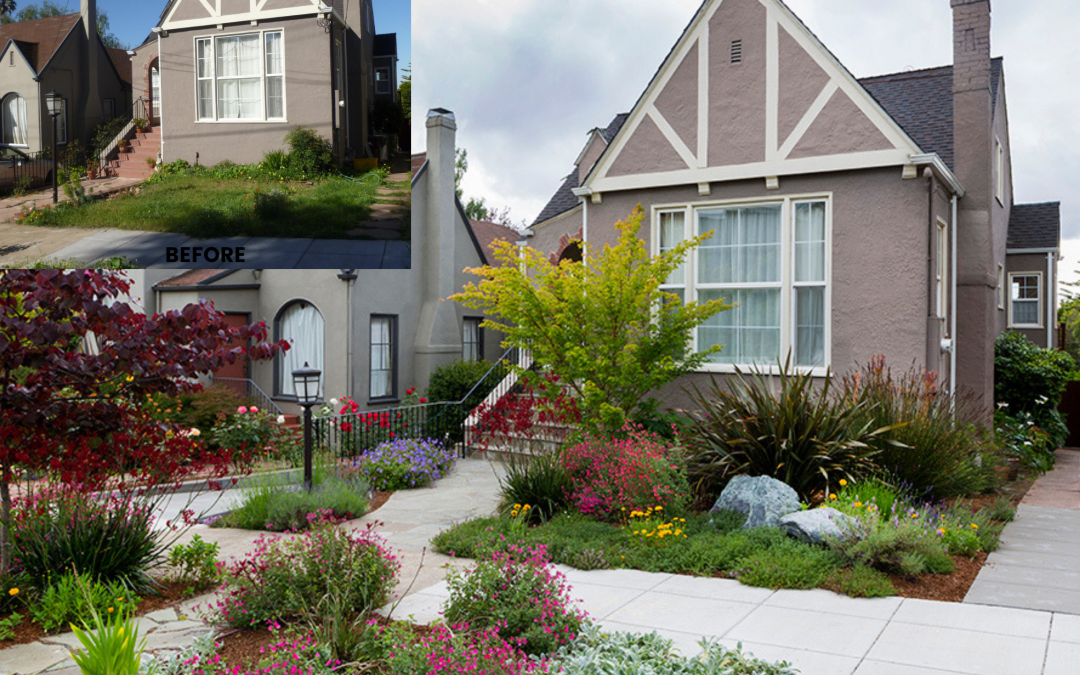
A well-designed outdoor space can do much more than improve curb appeal. The right landscape can create a comfortable place for family gatherings, add privacy, improve how you use your property, and make your home feel more connected to its surroundings. But turning a landscape design into a finished outdoor environment involves much more than planting a few trees or spreading new mulch.
For homeowners considering a major landscape project, understanding the landscape installation process can make the experience easier, more predictable, and more rewarding. From the initial site assessment and preparation to planting, hardscape construction, irrigation, lighting, and final cleanup, each stage contributes to the quality and longevity of the finished landscape.
This is particularly important for larger residential projects. A $30,000-plus landscape investment may involve multiple trades, substantial site preparation, drainage improvements, custom hardscaping, mature plant material, outdoor lighting, irrigation, and carefully coordinated installation. Knowing what happens at each stage helps homeowners make informed decisions about their property and understand why professional installation takes time and planning.
So, what should you actually expect once your project begins? The answer depends on the property’s size, the scope of the design, the materials selected, site conditions, weather, and the complexity of the installation. Most well-managed projects follow a similar sequence.
This guide explains what homeowners can expect during residential landscape installation, what happens behind the scenes, how long different stages may take, what can affect the budget, and how working with a professional landscape installation team can help turn a landscape plan into a cohesive, durable outdoor space.
Key Takeaways
- Landscape installation typically begins with site preparation, layout, and project coordination before visible improvements take shape.
- Larger residential projects may include grading, drainage, irrigation, planting, hardscaping, lighting, outdoor structures, and other improvements.
- Proper site preparation is one of the most important factors affecting the long-term performance of a landscape.
- Hardscape construction and planting are carefully coordinated rather than simply completed in any order.
- Weather, soil conditions, material availability, site access, and design changes can affect the installation timeline.
- Professional installation helps ensure that drainage, grading, irrigation, plant placement, materials, and construction details work together.
- Homeowners should expect regular communication about progress, scheduling, decisions, and any unexpected site conditions.
- A successful landscape installation is about creating an outdoor environment that looks good initially and continues performing well over time.
Landscape Installation Explained
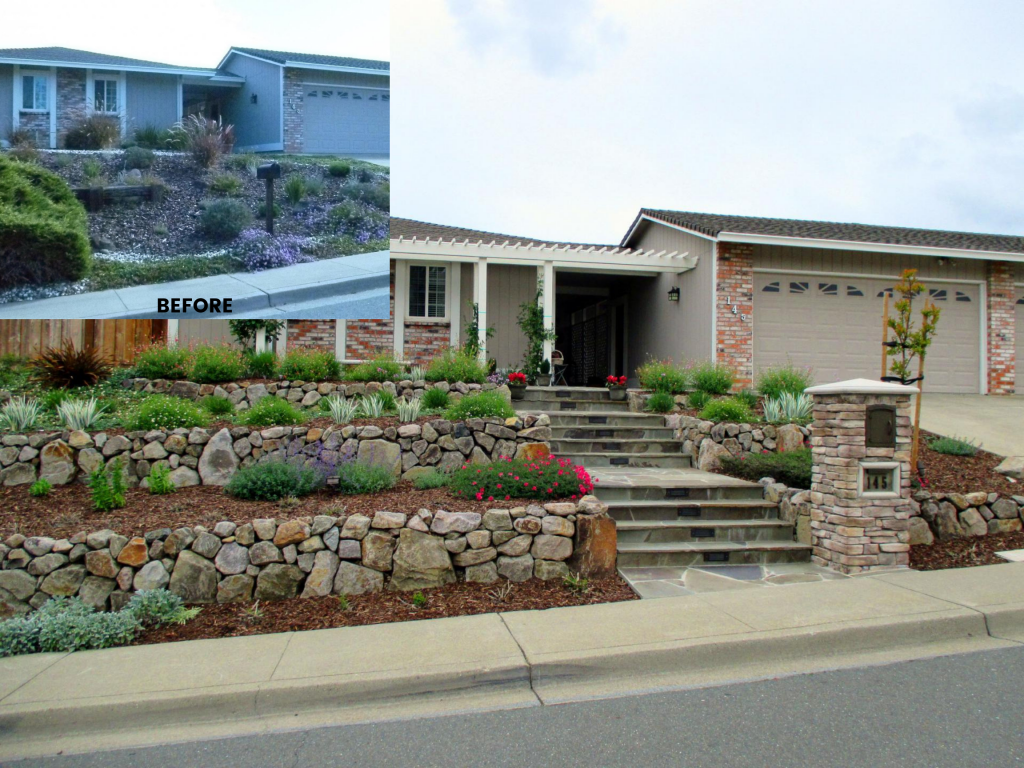
Landscape installation is the process of transforming a landscape plan or concept into a completed outdoor environment. It can include relatively simple work, such as installing new planting beds, trees, shrubs, and sod. It can also involve extensive construction and site improvements, including patios, walkways, retaining walls, outdoor kitchens, fire features, drainage systems, irrigation, landscape lighting, fencing, privacy screens, and other elements.
For a larger residential property, landscape installation is often closer to a construction project than a traditional gardening job. Several components must be coordinated so the finished landscape is functional, visually balanced, structurally sound, and appropriate for the site. For example, planting trees before completing underground utility or irrigation work can create unnecessary complications. Installing a patio without considering drainage can lead to water problems. Choosing plants without considering sun exposure, soil conditions, mature size, and irrigation requirements can create maintenance challenges later.
Professional installation therefore focuses on the entire property rather than treating each element as an isolated improvement.
What Happens Before Landscape Installation Begins?
One of the biggest misconceptions about landscaping is that installation starts when workers arrive with plants, tools, and equipment. In reality, much of the important work happens before construction or planting begins. Depending on the project, pre-installation planning may involve reviewing the design, confirming materials, assessing site conditions, coordinating schedules, identifying access requirements, and finalizing details with the homeowner.
For a larger project, the installation team may also need to coordinate multiple phases. Hardscape materials may need to be ordered in advance. Specialty plants may have seasonal availability. Irrigation components, lighting equipment, stone, pavers, or other materials may have different lead times. The homeowner should receive a clear understanding of what will happen, what decisions need to be finalized, and what factors could influence the schedule. This preparation is especially important for high-value landscape projects because changing major elements after construction has begun can be expensive and disruptive.
Step 1: Site Assessment and Project Layout
Before physical installation starts, the project team needs to understand the property. The existing landscape may contain mature trees, slopes, compacted soil, drainage problems, old irrigation lines, buried utilities, deteriorated hardscapes, or other conditions that affect the installation.
The team may evaluate:
- Existing grades and slopes
- Soil conditions
- Drainage patterns
- Sun and shade exposure
- Existing vegetation
- Property access
- Existing irrigation
- Drainage infrastructure
- Existing hardscapes
- Utility locations
- Areas requiring removal or demolition
The proposed landscape design is then translated onto the actual property. Layout is an important step because the dimensions shown on a drawing need to work in real space. The location of a patio, planting bed, walkway, retaining wall, tree, or outdoor structure must be accurately established before construction begins.
For homeowners, this is often the first point at which the design becomes tangible. Lines, dimensions, and proposed features begin to make sense when they are physically marked on the property.
Step 2: Landscape Site Clearing and Preparation
Once the layout is confirmed, the property may need to be prepared for new construction and planting. The extent of site preparation depends heavily on what is already there. A new landscape may require removal of old plants, lawn, concrete, pavers, fencing, soil, debris, or outdated irrigation components. Some properties require minimal preparation, while others need extensive demolition before new work can begin.
Site preparation may also involve clearing unwanted vegetation and removing materials that conflict with the new design. This stage can look messy compared with the finished landscape, but it is an important part of the transformation. Homeowners should not be surprised if their property temporarily looks less attractive before it starts looking better.
A professional team should maintain reasonable organization and safety throughout the process while keeping the homeowner informed about what is being removed and why.
Step 3: Landscape Drainage and Site Grading
Grading is one of the less visible aspects of landscape installation, but it can have an enormous effect on the finished property. The goal is not simply to make the ground look level. Instead, grading helps establish appropriate elevations and directs water where it needs to go. Poor grading can contribute to standing water, erosion, soil movement, plant problems, and damage to hardscape areas. A landscape may look beautiful immediately after installation but perform poorly if water is not properly managed.
Depending on the site, drainage improvements may include adjustments to grading, drains, channels, catch basins, underground drainage systems, or other solutions. Not every property needs extensive drainage work. Drainage should be considered before major hardscape and planting installation because correcting water-management problems after everything is completed can be much more difficult.
For homeowners investing in a significant landscape, this is one reason it is valuable to look beyond visible features. The parts of the project that are eventually hidden underground may be among the most important.
Step 4: Irrigation and Utility Installation
Watering requirements should be considered early rather than after all planting is complete. A new landscape may require an irrigation system or modifications to an existing system. Different plants have different watering needs, and irrigation zones can help deliver water more efficiently.
During this stage, crews may install or modify:
- Irrigation lines
- Valves
- Sprinklers
- Drip irrigation
- Controllers
- Water-management components
- Electrical conduits
- Low-voltage lighting infrastructure
Because much of this infrastructure may eventually be buried, it needs to be installed and tested at the appropriate stage. Landscape lighting is another example. If a homeowner wants a pathway, accent, tree, or other outdoor lighting, wiring and related infrastructure should be coordinated with the rest of the project. Planning these systems together helps prevent unnecessary disruption later.
Step 5: Hardscape Construction and Installation
Hardscaping refers to the constructed elements of a landscape. For larger residential projects, hardscaping can represent a substantial portion of the investment and may include patios, walkways, steps, retaining walls, seating walls, driveways, outdoor kitchens, fire features, pool surrounds, or other structures.
This stage often requires careful preparation of the underlying surface. For example, a paver patio may require excavation, appropriate base preparation, compaction, grading, edge restraints, and careful installation. A retaining wall may require appropriate foundation preparation, drainage considerations, and structural techniques based on the wall and site conditions. The exact construction method depends on the materials and design.
Homeowners should expect construction areas to be active and sometimes noisy during this phase. Equipment, materials, excavation, cutting, compacting, and other construction activities can temporarily affect access to parts of the property. Although the construction phase may seem disruptive, properly installed hardscape provides the structural foundation for many of the landscape’s most frequently used spaces.
Step 6: Soil Preparation and Planting Areas
After major grading and hardscape work is underway or complete, planting areas can be prepared. Healthy landscapes depend heavily on the conditions beneath the plants. Depending on the property, soil preparation may include removing unsuitable material, incorporating amendments, improving drainage, adding quality soil, adjusting planting areas, or addressing compaction.
Planting beds should be prepared according to the needs of the selected vegetation rather than treated as identical spaces. A tree, ornamental grass, shrub, perennial, and ground cover may have very different requirements. Good installation also considers the mature size of plants. A small shrub may appear appropriately spaced on installation day but become overcrowded several years later if it was placed too close to neighboring plants or structures.
Professional landscape installation takes the future landscape into account, not just its appearance on the day the project is completed.
Step 7: Trees, Shrubs, Perennials, and Other Plant Material
Plant installation is often the stage homeowners notice most because the landscape finally begins to look finished. Planting is more than digging holes and putting plants into the ground. Plant placement should account for factors such as mature size, sun exposure, drainage, soil conditions, irrigation coverage, architectural features, views, privacy requirements, and the overall composition of the landscape.
Trees are particularly important because they can eventually become major visual and functional elements of the property. Their location can influence shade, privacy, views, root development, maintenance requirements, and the relationship between the house and outdoor living areas.
Shrubs and smaller plants help create transitions between large structural elements and open areas. Perennials, ornamental grasses, ground covers, and seasonal plants can add texture, movement, and changing color. A thoughtful planting design should look intentional rather than simply filling empty spaces.
Step 8: Lawn, Ground Cover, and Finishing Materials
Depending on the design, the project may include new lawn, ground cover, mulch, decorative stone, or other finishing materials. Lawn installation may involve soil preparation, grading, irrigation adjustments, and either seed, sod, or another appropriate method. Mulch and decorative stone can help define planting areas and provide a finished appearance. They may also contribute to moisture management and weed suppression, depending on the material and installation method.
These finishing materials can seem like small details compared with patios or retaining walls, but they play an important role in tying the entire landscape together. The goal is to create visual transitions between hardscape, structures, lawn, planting beds, and other elements rather than having each component look disconnected.
Step 9: Landscape Lighting and Outdoor Features
Landscape lighting can significantly change how a property looks and functions after sunset. Lighting may be used for pathways, stairs, patios, trees, architectural elements, entry areas, gathering spaces, or focal points. For a major landscape project, lighting is best considered as part of the overall design rather than an afterthought.
The same applies to outdoor features such as fire pits, outdoor kitchens, water features, pergolas, seating areas, privacy structures, and other amenities. These elements can transform an underused yard into a functional outdoor living environment. For homeowners pursuing a $30,000-plus landscape project, these features can also make the difference between simply improving the yard and creating a comprehensive outdoor space designed around how the family actually uses the property.
Step 10: Final Installation and Detail Work
Near the end of the project, the landscape begins to transition from an active construction site into a finished outdoor environment. The installation team may complete final planting, edging, mulch, gravel, lighting adjustments, irrigation components, cleanup, and detail work.
Hardscape surfaces may be cleaned. Soil and materials are distributed as needed. Planting beds are refined. The team checks that different elements transition cleanly into one another. This is also when small details become especially noticeable.
A pathway should connect naturally to its destination. A planting bed should have intentional edges. A tree should have sufficient space to develop. Outdoor areas should feel connected rather than randomly positioned. Quality landscape installation is often distinguished by these details.
What Should Homeowners Expect During the Installation?
Living through a landscape project is different from looking at finished landscape photographs. There may be equipment in the driveway, materials stored temporarily on the property, workers moving through different areas, construction noise, and temporary restrictions on access.
Homeowners should discuss these issues with the contractor before work begins. Ask how crews will access the property, where materials will be stored, which areas will remain accessible, and how the team will protect existing features. For larger projects, installation may take place over multiple phases. The entire property may not be under construction at once.
Communication is particularly important if the homeowner will remain in the house during installation. A professional team should provide reasonable updates about upcoming work, schedule changes, site conditions, and decisions that require homeowner input.
What Is The Timeline For Landscape Installation?
There is no universal timeline for landscape installation. A small planting project could be completed relatively quickly, while a comprehensive residential landscape may take several weeks or longer.
Factors affecting the schedule include:
- Project size
- Scope of construction
- Site preparation requirements
- Weather
- Soil conditions
- Material availability
- Plant availability
- Site access
- Drainage work
- Hardscape complexity
- Outdoor structures
- Inspection or coordination requirements
- Design changes
A major landscape project should therefore be scheduled around realistic phases rather than an arbitrary completion date. Weather can be especially important. Heavy rain can affect excavation, grading, soil conditions, concrete work, and other construction activities. Extreme heat can also influence planting and other outdoor work.
Material availability can create another variable. Custom stone, specialty pavers, large trees, lighting equipment, or other selected materials may have different procurement timelines. A reputable professional should explain the anticipated schedule while acknowledging that conditions can change.
What Can Affect The Cost Of Landscape Installation?
Landscape installation costs vary dramatically because no two properties or projects are identical. A small planting refresh and a complete outdoor renovation are fundamentally different projects.
For higher-value residential landscaping, the budget may be influenced by:
- Property size
- Amount of demolition
- Grading requirements
- Drainage improvements
- Soil preparation
- Hardscape materials
- Patio or walkway size
- Retaining walls
- Irrigation
- Landscape lighting
- Plant selection and size
- Outdoor structures
- Outdoor kitchens
- Fire features
- Site access
- Custom construction
- Material availability
The cost of materials can also vary substantially. For example, there can be a meaningful difference between basic landscape materials and premium natural stone, specialty pavers, mature trees, custom-built structures, or high-end outdoor amenities.
Homeowners should focus on the overall value and performance of the project rather than simply choosing the lowest initial price. A properly designed and installed landscape can provide years of enjoyment. Conversely, cutting corners on drainage, grading, soil preparation, structural construction, irrigation, or plant selection can create additional expenses later.
Why Choose Professional Landscape Installation
A landscape design can look excellent on paper, but the finished result depends on how well that design is executed. Professional landscape installation brings together planning, construction knowledge, plant knowledge, material handling, grading, drainage, irrigation, and project coordination. This becomes particularly valuable on complex projects.
Consider a backyard with a sloped grade, a new patio, retaining walls, drainage improvements, mature trees, irrigation, landscape lighting, and an outdoor kitchen. Each feature affects the others.
The patio needs appropriate elevations. Drainage needs to work around the hardscape. Irrigation needs to serve planting areas without creating problems for structures. Lighting needs to be coordinated with underground infrastructure. Trees need to be positioned with their future growth in mind. The project succeeds when these components function together. That is one of the primary advantages of professional landscape installation: the goal is not simply to install individual features but to create a cohesive outdoor environment.
What If Unexpected Problems Are Discovered?
Even a well-planned project can reveal unexpected conditions once excavation begins. Examples may include buried concrete, poor soil, unexpected drainage conditions, old irrigation infrastructure, roots, difficult access, or other site conditions that were not visible during the initial planning stage. These discoveries don’t necessarily mean the project has gone wrong. The important question is how the situation is handled.
A professional contractor should explain the issue, discuss the available solutions, describe how the change could affect cost or schedule, and obtain appropriate approval before proceeding with significant additional work. Homeowners should avoid assuming that every project will proceed exactly as planned down to the smallest detail. Instead, they should look for a contractor who communicates clearly and manages changes responsibly.
How Homeowners Can Prepare For Landscape Installation
Homeowners can make the process smoother by making important decisions early. Finalize major material selections when possible. Confirm the intended use of outdoor spaces. Think about how the family will use the yard throughout the year. Consider maintenance expectations before choosing plants and features. It is also useful to establish priorities.
If the budget needs to be adjusted, knowing which elements matter most can help the contractor recommend practical alternatives without compromising the entire project. For example, a homeowner may prioritize a large entertaining patio and mature privacy trees while treating decorative elements as optional. Another homeowner may care most about a poolside landscape, outdoor kitchen, or low-maintenance planting.
Clear priorities help the installation team understand what success means for the homeowner. Homeowners should also be prepared for temporary disruption. Outdoor construction is inherently active, and a major transformation may require portions of the property to be unavailable during certain phases.
Choosing a Professional Landscape Installation Contractor
Choosing the right installation team is one of the most important decisions a homeowner makes. Look for a contractor with experience completing projects similar in size and complexity to yours. A company that primarily handles small planting jobs may not have the same capabilities as a team experienced in large-scale residential landscape construction. Ask about the company’s experience with the specific elements included in your project.
If your project includes extensive hardscaping, ask about hardscape experience. If drainage is a concern, ask how drainage is evaluated and addressed. If the landscape includes mature trees, irrigation, lighting, or outdoor living features, confirm that the team understands how those components are coordinated. It is also useful to ask how the company manages project communication. A high-quality installation is not only about craftsmanship. It is also about organization, scheduling, transparency, and attention to detail.
Questions To Ask Before Hiring A Landscape Installation Company
Before signing an agreement, homeowners should understand what is included in the proposed project.
Useful questions include:
- What exactly is included in the landscape installation?
- How will the existing site be prepared?
- How will drainage and grading be addressed?
- Who will handle irrigation and lighting?
- What materials and plant sizes are included?
- How will unexpected site conditions be handled?
- What is the anticipated project sequence?
- How will changes affect the price or schedule?
- How will the property be protected during construction?
- What maintenance is recommended after installation?
The answers can reveal how thoroughly a contractor has considered the project. A detailed conversation before work begins can also reduce misunderstandings later.
What Does a Successful Residential Landscape Installation Look Like?
A successful residential landscape installation should accomplish more than creating attractive photographs immediately after completion. The finished property should make sense for the people who live there. A patio should be appropriately sized for its intended use. Walkways should provide convenient connections. Plantings should fit the property’s conditions. Drainage should direct water appropriately. Irrigation should support the landscape. Lighting should improve the evening environment. Hardscapes should be constructed to withstand normal use.
Most importantly, the landscape should feel cohesive. The house, outdoor living areas, planting, hardscape, lighting, and surrounding property should work together visually and functionally. This is particularly important when investing in a larger project. A $30,000-plus landscape should not feel like a collection of unrelated upgrades. It should feel like a carefully planned extension of the home.
Why Landscape Installation Is a Worthwhile Property Investment
For many homeowners, the biggest benefit of a landscape renovation is not simply curb appeal. It is the ability to use the property differently. A previously unused backyard can become an entertaining space. An exposed yard can become more private. A difficult slope can become a series of functional outdoor areas. A poorly drained section of the property can be redesigned to manage water more effectively. Landscape installation can also improve the connection between indoor and outdoor spaces.
A well-positioned patio near the kitchen can make entertaining easier. A comfortable seating area can encourage family members to spend more time outside. Trees and planting can frame views and provide privacy. Lighting can extend the usability of outdoor spaces after dark. The best projects begin with these practical goals rather than with a list of individual features.
When Is The Best Time To Start Planning?
The ideal time to plan a landscape project depends on the property’s location, climate, plant selections, construction requirements, and contractor availability. For larger projects, homeowners should avoid waiting until they want construction to begin before starting the planning process.
Design, material selection, scheduling, procurement, and site preparation can all require time. Starting early also gives homeowners more opportunity to evaluate options and make thoughtful decisions rather than rushing through expensive selections. If the project involves extensive construction, early planning can be especially valuable because multiple phases need to be coordinated.
What To Expect After Landscape Installation
A landscape is not necessarily finished when the installation crew leaves. New plants require appropriate establishment care. Irrigation may need seasonal adjustments. Newly installed lawns may have specific watering requirements. Trees and shrubs may require careful monitoring during their initial establishment period. Hardscape areas should also be maintained according to the materials used.
A professional installation team should explain basic post-installation care and identify any specific maintenance requirements associated with the landscape. Long-term maintenance can include irrigation management, pruning, fertilization, weed control, mulch replenishment, lawn care, seasonal planting, lighting maintenance, and other services. The goal is to help the landscape mature into the environment envisioned during the design process.
Final Remarks
A successful landscape installation is a carefully coordinated process that combines design, construction, horticulture, and site management. For homeowners, the finished landscape may appear to be a collection of beautiful plants, patios, pathways, lighting, and outdoor features. Behind that finished appearance is a sequence of important decisions and installation stages.
Site assessment establishes the project’s foundation. Preparation clears the way for construction. Grading and drainage help manage water. Irrigation supports the landscape. Hardscaping creates durable outdoor living areas. Soil preparation gives plants a healthy starting point. Planting brings the design to life, while lighting and finishing details complete the environment. For a larger residential project, these elements need to work together.
That is why professional installation matters. A skilled landscape installation team does more than make a yard look attractive on completion day. The objective is to create an outdoor space that functions properly, complements the home, suits the property’s conditions, and continues to provide value for years.
If you are considering a major residential landscape project, understanding the installation process can help you plan with greater confidence. Whether your vision includes a new entertaining area, improved privacy, extensive planting, custom hardscaping, outdoor lighting, drainage improvements, or a complete backyard transformation, careful planning and professional execution can turn that vision into a finished landscape designed around the way you want to live outdoors.
Frequently Asked Questions
1. How Long Does A Landscape Installation Project Usually Take?
The timeline depends on the project’s size, complexity, weather, site conditions, materials, and number of features. A simple planting project may take only a short period, while a comprehensive residential landscape with hardscaping, drainage, irrigation, lighting, and outdoor living features may take several weeks or longer. A professional contractor should provide a project schedule based on the actual scope rather than promising an unrealistic completion date.
2. What Is Included In Residential Landscape Installation?
Residential landscape installation can include site preparation, grading, drainage, soil preparation, planting, lawn installation, irrigation, landscape lighting, patios, walkways, retaining walls, outdoor structures, fire features, and other landscape improvements. Not every project requires all of these elements. The scope should be clearly defined in the proposal so homeowners understand what is included.
3. Can Landscape Installation Include Drainage Improvements?
Yes. Drainage and grading can be incorporated into a landscape installation when site conditions require them. Solutions may include grading adjustments, drains, channels, catch basins, or underground drainage systems. Addressing drainage before completing planting and hardscape work can help protect the finished landscape from water-related problems.
4. Is Professional Landscape Installation Worth the Investment?
For larger or more complex projects, professional installation can provide significant value. Experienced installers understand how grading, drainage, hardscaping, irrigation, planting, lighting, and other elements interact. Professional execution can also reduce the risk of installation mistakes that may become expensive to correct later. The value is particularly important when a homeowner is making a substantial investment in the property.
5. What Should Homeowners Do During Landscape Installation?
Homeowners should maintain communication with the project team, make requested decisions promptly, keep children and pets away from active construction areas, and follow any instructions regarding temporary access restrictions. It is also helpful to understand the project schedule and know which parts of the property may be unavailable during different phases.
6. Can the Landscape Design Be Changed After Installation Begins?
Changes may be possible, but they can affect the cost, materials, and schedule. Some changes are relatively simple, while others may require completed work to be removed or modified. For this reason, homeowners should finalize major decisions before installation begins whenever possible. If a change becomes necessary, the contractor should explain its impact before proceeding.
7. How Can Homeowners Protect Their Landscape Investment After Installation?
Proper maintenance is essential. New plants need appropriate watering and establishment care, while irrigation systems require monitoring and seasonal adjustments. Trees, shrubs, lawns, and planting beds also have different maintenance requirements. Homeowners should follow the care recommendations provided by the installation team and address problems early rather than waiting until they become extensive.
Start Your Residential Landscape Installation With a Proven Local Team
A great landscape starts with more than choosing plants and materials. Poor planning, disconnected contractors, drainage problems, irrigation mistakes, and improper installation can turn an exciting project into an expensive headache. Vince’s Landscaping takes a different approach to landscape installation, bringing design, construction, and installation together so every part of your outdoor space works as one complete plan.
Since 1982, our family-owned team has helped East Bay homeowners transform outdated and underused yards into outdoor spaces designed around the way they actually live. From hardscaping and planting to irrigation, lighting, outdoor living areas, and complete landscape installation, our experienced crews manage the project from start to finish with careful planning and open communication.
If you’re ready to invest in a landscape that looks great, functions properly, and is built to last, Vince’s Landscaping can help. Schedule a consultation and discover what professional landscape design and installation can do for your home.
Disclaimer
The materials available on this website are provided for general informational and educational purposes only. They are not intended to serve as professional design, construction, engineering, architectural, legal, or other specialized advice for any specific property or project.
Every landscape project is different, and conditions such as grading, drainage, soil, irrigation, existing structures, local codes, permitting requirements, and site access can affect the appropriate design and construction approach. You should consult with a qualified landscape professional, contractor, landscape architect, engineer, or other appropriate professional before making decisions based on information provided on this website.
Do not act or refrain from acting solely based on the content of this site. Information may change over time and may not reflect current building codes, regulations, industry standards, product specifications, or site-specific requirements. Vince’s Landscaping disclaims liability for actions taken or not taken based on the information contained on this website to the fullest extent permitted by law.
Recent Comments