
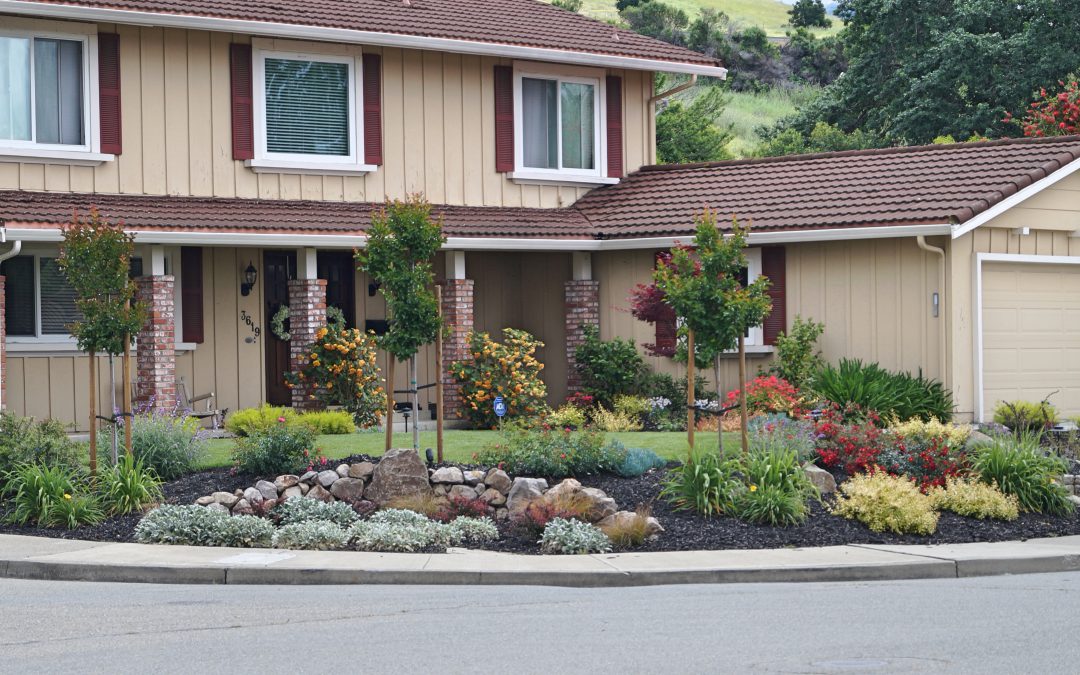
Professional landscape design involves much more than choosing plants or making a yard look attractive. It is a comprehensive process that combines creativity, planning, functionality, and horticultural knowledge to transform outdoor spaces into beautiful, practical, and sustainable environments. From selecting the right plants and designing garden beds to planning walkways, outdoor living areas, and irrigation systems, professional landscape design considers how every element works together to enhance a property’s appearance and usability.
For homeowners and property managers, investing in professional landscape design can help maximize outdoor space, improve curb appeal, and create an environment that suits everyday needs. Whether the goal is to establish a low-maintenance garden, create a welcoming outdoor entertaining area, or develop a cohesive landscape for a larger property, a well-planned design provides a clear direction for the entire project. Vince’s Landscaping helps property owners understand the essential elements of landscape design and how thoughtful planning can turn an ordinary yard into an inviting outdoor retreat.
Key Takeaways
- Landscape assessment and planning: Professional landscape design begins with evaluating the property’s layout, soil conditions, sunlight, drainage, and existing features.
- Customized design concepts: A landscape plan reflects the property’s characteristics, the owner’s preferences, and the intended use of the outdoor space.
- Plant selection and placement: Choosing suitable plants helps create visual interest while considering climate, soil conditions, maintenance requirements, and seasonal changes.
- Hardscape planning: Walkways, patios, retaining walls, and other structural elements improve accessibility, functionality, and visual organization.
- Irrigation and drainage: Proper water management supports healthy plant growth and helps prevent standing water and erosion.
- Lighting and finishing touches: Outdoor lighting, decorative features, and landscape accents enhance safety, ambiance, and overall appearance.
- Long-term maintenance considerations: A professional design accounts for how the landscape will grow, change, and perform over time.
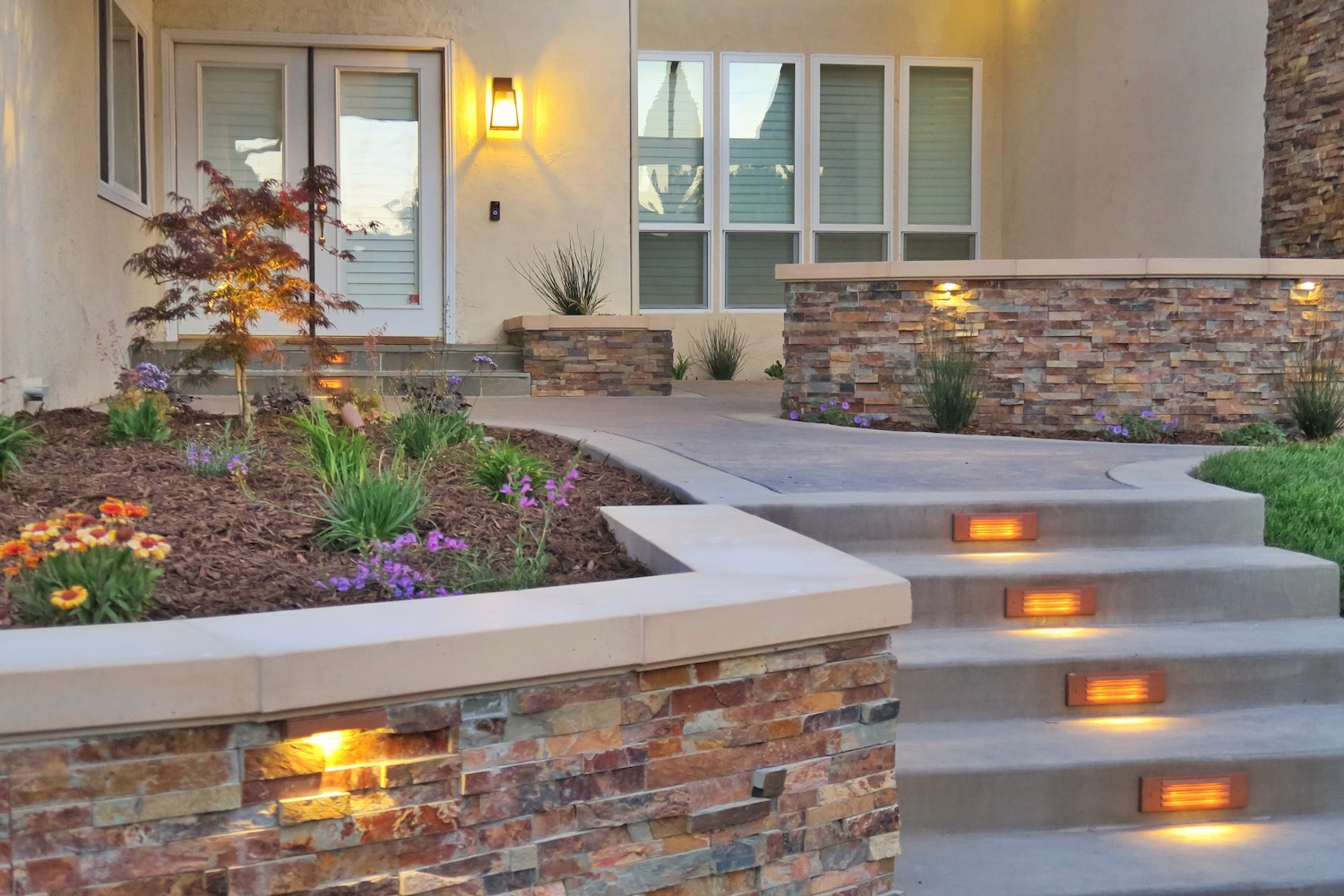
Property Assessment And Initial Landscape Planning
Every successful landscape design begins with a thorough understanding of the property. Before recommending plants, installing garden beds, or planning outdoor features, a landscape professional evaluates the existing conditions and identifies opportunities to improve the space.
This initial assessment helps ensure that the proposed design works with the property’s natural characteristics instead of creating unnecessary challenges during installation or maintenance.
Evaluating The Existing Landscape
A property assessment typically examines several important factors:
- Property layout: The size, shape, boundaries, and overall configuration of the yard.
- Sunlight exposure: Areas that receive full sun, partial shade, or limited direct sunlight throughout the day.
- Soil conditions: Soil composition, fertility, compaction, and suitability for different types of plants.
- Drainage patterns: Areas where rainwater collects, flows toward structures, or contributes to erosion.
- Existing vegetation: Trees, shrubs, lawns, and garden beds that may be preserved, relocated, or incorporated into the new design.
- Access and circulation: Entryways, gates, driveways, and existing paths that influence movement around the property.
- Architectural features: The home’s exterior materials, style, colors, and proportions.
Understanding these details allows the designer to identify potential limitations and make informed recommendations.
For example, a yard with extensive shade may be better suited to shade-tolerant plants than a garden filled with sun-loving flowers. Similarly, an area with poor drainage may require grading adjustments or drainage improvements before new plants and lawn areas are installed.
Establishing Project Goals And Priorities
Professional landscape planning also involves discussing how the property owner wants to use the outdoor space.
Some homeowners prioritize curb appeal, while others want a comfortable place to relax, entertain guests, grow plants, or provide room for children and pets. Commercial properties may need attractive entrances, organized walkways, and landscaping that creates a welcoming impression for visitors.
Vince’s Landscaping can help property owners identify their priorities and translate them into practical design goals. Establishing these objectives early helps guide decisions about layout, materials, plant selection, and project scope.
Customized Landscape Design And Layout Development
Once the property’s conditions and the owner’s goals are understood, the next step is developing a customized landscape layout. This stage determines how different outdoor elements will be arranged and how the space will function as a complete environment.
A thoughtful layout balances appearance, accessibility, comfort, and practical use.
Creating A Functional Outdoor Layout
Landscape design often divides a property into distinct areas based on their intended purposes. Depending on the size and needs of the property, these areas may include:
- Front-yard landscaping that improves curb appeal.
- Garden beds that frame the home and highlight architectural features.
- Lawn areas for recreation or open space.
- Patios and seating areas for relaxing or entertaining.
- Walkways connecting entrances, gardens, and outdoor living spaces.
- Privacy areas created with trees, shrubs, or other landscape elements.
- Utility areas that remain accessible without disrupting the overall design.
The arrangement of these features affects how easily people can move through the property and how comfortably they can use each area.
For instance, placing a patio near an accessible entrance may make outdoor dining more convenient. A clearly defined walkway can also guide visitors toward the front door while protecting surrounding plants from foot traffic.
Developing A Cohesive Landscape Style
A professional landscape design considers how the outdoor environment complements the property’s architecture and overall character.
Some properties benefit from clean lines, simple plant groupings, and restrained color palettes. Others may be better suited to layered garden beds, naturalistic planting arrangements, or colorful flowering plants.
A cohesive design may incorporate:
- Consistent plant shapes and textures.
- Complementary colors among foliage, flowers, and hardscape materials.
- Balanced proportions between open areas and planted spaces.
- Repeated design elements that connect different parts of the yard.
- Focal points that draw attention to important features.
The goal is not simply to add more landscaping. It is to create an intentional arrangement in which each element contributes to the property’s overall appearance.
Plant Selection, Garden Beds, And Greenery Placement
Plants are among the most recognizable components of landscape design. They provide color, texture, shade, privacy, and seasonal interest while helping outdoor spaces feel more natural and inviting.
However, successful planting requires more than choosing attractive flowers or shrubs. Plants must be suited to the local growing conditions and positioned to accommodate their mature size
Choosing Plants For The Local Environment
A professional landscape plan considers the environmental requirements of each plant before determining where it should be installed.
Important considerations include:
- Climate suitability: Whether the plant can tolerate local temperatures and seasonal weather conditions.
- Sunlight requirements: Whether the plant needs full sun, partial shade, or mostly shaded conditions.
- Soil preferences: Whether the soil provides appropriate drainage, nutrients, and growing conditions.
- Water requirements: How much irrigation the plant needs once established.
- Mature size: How tall and wide the plant will become as it grows.
- Maintenance needs: Whether the plant requires regular pruning, deadheading, fertilizing, or other care.
- Seasonal characteristics: When the plant flowers, produces fruit, changes color, or loses its leaves.
Selecting plants according to these factors can reduce unnecessary maintenance and help the landscape remain healthy over time.
Native and regionally adapted plants may also be valuable options because they can be well suited to local conditions. Their suitability still depends on the specific site, soil, water availability, and intended design.
Designing Garden Beds And Plant Combinations
Garden bed design involves arranging plants in ways that create visual depth, balance, and continuity.
For example, taller shrubs may be positioned toward the back of a garden bed, while medium-height plants occupy the middle and smaller flowers or ground covers fill the front. This arrangement can create a layered appearance without allowing taller plants to overwhelm smaller ones.
Professional planting plans may also consider:
- Flowering periods to provide seasonal color.
- Contrasting leaf shapes and textures.
- Evergreen plants for year-round structure.
- Ground covers to soften exposed soil.
- Trees that provide shade or frame important views.
- Shrubs that create natural boundaries or improve privacy.
Spacing is equally important. Plants installed too closely together may compete for light, water, and nutrients as they mature. Appropriate spacing gives them room to grow and helps preserve the intended design.
Vince’s Landscaping can help property owners understand how thoughtful plant selection and placement contribute to a landscape that is attractive, functional, and manageable.
Hardscape Design And Outdoor Living Features
Professional landscape design can include both living elements and hardscape features. Hardscaping refers to the nonliving materials and structures that organize outdoor spaces, provide usable surfaces, and complement the surrounding vegetation.
When planned carefully, these features can make a yard more accessible and useful while adding visual definition.
Common Hardscape Elements
Depending on the property’s layout and project objectives, a landscape design may include:
| Hardscape Feature | Purpose And Benefits |
| Patios | Provide outdoor space for seating, dining, and entertaining. |
| Walkways | Create convenient routes between entrances, garden areas, and other outdoor features. |
| Retaining walls | Help manage elevation changes and may support appropriate soil-retention solutions. |
| Garden edging | Defines planting beds and creates cleaner transitions between landscape areas. |
| Steps and pathways | Improve movement across sloped or uneven sections of a property. |
| Decorative stone | Adds texture and can be used in selected garden areas or landscape accents. |
| Outdoor seating areas | Create designated spaces for relaxation and social activities. |
| Borders and low walls | Establish boundaries and visually separate different outdoor zones. |
Not every landscape project needs all these features. The right combination depends on the available space, budget, terrain, and intended use.
Selecting Materials That Complement The Property
Hardscape materials should be selected for both appearance and performance. Concrete, natural stone, pavers, gravel, and other materials offer different textures, finishes, costs, and maintenance requirements.
A designer may consider how the materials coordinate with the home’s exterior, how they will perform under local weather conditions, and whether they provide appropriate traction and durability.
Installation requirements also matter. Patios and walkways need suitable preparation and drainage, while retaining walls may require structural planning based on their height, soil conditions, and loading.
By coordinating hardscape elements with plants and open spaces, a professional design can create a more organized and usable outdoor environment.

Irrigation, Drainage, And Sustainable Water Management
Water management is an essential part of professional landscape design. Even an attractive planting plan can struggle if the soil stays too wet, irrigation is poorly distributed, or water flows toward areas where it causes damage.
Planning for irrigation and drainage helps protect plants, preserve outdoor surfaces, and support the long-term performance of the landscape.
Planning An Efficient Irrigation System
An irrigation plan determines how plants will receive the water they need while limiting unnecessary waste.
Depending on the landscape, irrigation options may include:
- Drip irrigation: Delivers water near plant roots and can be useful for garden beds, shrubs, and selected planting areas.
- Sprinkler systems: Distribute water over lawn areas and other suitable open spaces.
- Separate watering zones: Group plants with similar water requirements to improve irrigation efficiency.
- Smart irrigation controllers: Adjust watering schedules based on programmed settings and, where supported, weather or soil information.
- Manual watering points: Provide convenient access for small gardens or areas that do not require permanent irrigation.
The design should account for plant water requirements, soil type, sunlight exposure, and local watering restrictions.
Grouping plants with similar needs can make watering easier to manage. For example, drought-tolerant plants may be placed in a separate zone from plants that require consistently moist soil.
Addressing Drainage And Water Runoff
Drainage planning focuses on directing water away from vulnerable areas and preventing excessive moisture from damaging plants or outdoor structures.
A landscape professional may identify low spots, compacted soil, erosion-prone slopes, or areas where roof runoff collects. Depending on the conditions, solutions could involve adjusting grading, improving soil structure, installing suitable drainage components, or selecting plants that tolerate the site’s moisture levels.
Drainage improvements should always account for where the water will ultimately go. Redirecting runoff without a suitable discharge plan can create problems elsewhere on the property or affect neighboring land.
Incorporating Sustainable Landscaping Practices
Water-conscious landscape design can also reduce resource use and make outdoor maintenance more manageable.
Potential strategies include:
- Choosing climate-appropriate plants with suitable water requirements.
- Using mulch to help conserve soil moisture and reduce weed growth.
- Improving soil conditions to support healthy root development.
- Limiting unnecessary lawn areas.
- Grouping plants according to their watering needs.
- Using efficient irrigation methods.
- Preserving healthy existing trees where practical.
These measures can contribute to a landscape that uses resources more thoughtfully without sacrificing visual appeal.
Outdoor Lighting, Decorative Details, And Finishing Touches
The smaller details of a landscape can make a significant difference in how the completed space looks and feels. Lighting, decorative features, edging, and carefully selected accents help connect the main design elements and give the property a finished appearance.
Although these features may not be necessary for every project, they can improve the outdoor experience when incorporated with a clear purpose.
Designing Outdoor Landscape Lighting
Outdoor lighting can extend the usability of a yard into the evening while highlighting important landscape features.
Common lighting applications include:
- Path lighting: Illuminates walkways and helps visitors navigate outdoor routes.
- Entry lighting: Improves visibility around entrances and access points.
- Accent lighting: Highlights trees, architectural details, sculptures, or distinctive plants.
- Patio lighting: Creates a comfortable atmosphere for outdoor dining and relaxation.
- Step lighting: Improves visibility around stairs and changes in elevation.
Lighting placement should balance visibility, aesthetics, energy efficiency, and glare control. Fixtures should also be rated for their intended outdoor use and installed according to applicable electrical and safety requirements.
Adding Decorative Landscape Features
Decorative details can reinforce the landscape’s style and create points of visual interest.
Depending on the design, these details may include planters, decorative boulders, water features, garden ornaments, or distinctive specimen plants.
The most effective accents complement the overall layout rather than compete for attention. A single focal point, for example, may create more visual impact than numerous unrelated decorative objects.
Planning For Nighttime Appeal
Landscape lighting and finishing details should work with the property’s existing architecture, plantings, and outdoor living areas.
A softly illuminated walkway, a highlighted tree, or a well-lit patio can make the yard feel more inviting after sunset. Lighting may also reveal textures and shapes that are less noticeable during the day.
The final design should maintain a balance between decorative appeal, practical visibility, and the needs of the people using the space.
Budgeting, Installation Planning, And Long-Term Maintenance
Professional landscape design does not end with choosing plants and arranging outdoor features. It also involves determining how the design can be implemented, identifying priorities, and considering the care required to keep the landscape looking its best.
Budgeting and maintenance planning help property owners make informed decisions before installation begins.
Establishing A Realistic Landscape Budget
Landscape project costs vary according to property size, design complexity, materials, site conditions, and labor requirements.
A professional plan can help organize the project into manageable components and clarify which features are essential, optional, or suitable for a later phase.
Common budget considerations include:
- Site preparation and removal of unwanted vegetation.
- Soil improvement and grading.
- Plant materials and installation.
- Lawn installation or renovation.
- Patios, walkways, and other hardscape features.
- Irrigation and drainage systems.
- Landscape lighting.
- Decorative materials and finishing details.
- Initial maintenance and plant establishment.
Prioritizing the most important improvements can help homeowners work within their budgets without losing sight of the overall design goals.
For larger projects, phased installation may be an option. A property owner might begin with grading, drainage, and major hardscape elements before adding additional garden beds or decorative features later.
Preparing For Landscape Installation
A completed design provides a framework for the installation process. Depending on the project’s scope, the plan may include layout drawings, planting locations, material selections, grading information, irrigation details, and other specifications.
Before work begins, it is important to confirm the project scope, budget, timeline, site access, and any necessary permits or approvals.
Some projects may require coordination with electricians, irrigation specialists, engineers, or other qualified professionals. Requirements depend on the features being installed and applicable local regulations.
Clear planning helps reduce uncertainty and makes it easier to coordinate the different elements of the landscape.
Planning For Ongoing Landscape Maintenance
Even a professionally designed landscape requires care. Plants grow, weather conditions change, and outdoor materials experience normal wear over time.
Maintenance requirements may include:
- Watering according to plant needs and seasonal conditions.
- Pruning shrubs and trees when appropriate.
- Removing weeds and managing unwanted growth.
- Replenishing mulch when necessary.
- Monitoring plants for pests, diseases, or environmental stress.
- Cleaning and inspecting patios, walkways, and other hardscape features.
- Checking irrigation systems for leaks, blockages, or uneven coverage.
- Maintaining outdoor lighting and drainage components.
A well-planned landscape considers these responsibilities from the beginning. Selecting suitable plants, providing adequate growing space, and using practical materials can help keep ongoing care manageable.
Vince’s Landscaping can help property owners consider how their design choices affect the landscape’s appearance, functionality, and maintenance needs over time.
Conclusion: Create A More Functional And Beautiful Outdoor Space With Professional Landscape Design
Professional landscape design combines careful planning, creative vision, and practical knowledge to create outdoor spaces that complement a property’s architecture and support the owner’s lifestyle. From evaluating soil and sunlight conditions to selecting plants, arranging hardscape features, planning irrigation, and incorporating lighting, each component contributes to the landscape’s overall performance.
A successful design also considers budget, installation requirements, and long-term maintenance. By addressing these factors before work begins, property owners can make more informed decisions and develop an outdoor environment that remains attractive and useful as it matures.
Vince’s Landscaping can help property owners explore landscape design possibilities and determine which improvements best suit their spaces, preferences, and goals. Whether planning a garden refresh or a more extensive outdoor transformation, thoughtful design is an important first step toward creating a landscape that can be enjoyed for years to come.
Frequently Asked Questions About Professional Landscape Design
1. What Does Professional Landscape Design Include?
Professional landscape design can include property assessment, space planning, plant selection, garden bed layouts, hardscape planning, irrigation and drainage considerations, outdoor lighting, and maintenance planning. The exact services depend on the property owner’s needs and the project’s scope.
2. Why Should I Hire A Professional For Landscape Design?
A professional can help create a coordinated plan that considers the property’s layout, environmental conditions, intended use, budget, and maintenance requirements. This approach can help prevent design conflicts, improve space utilization, and support more informed installation decisions.
3. How Much Does Professional Landscape Design Cost?
The cost depends on the property’s size, the complexity of the design, the services included, and whether installation is part of the project. A basic planting plan will generally involve different costs from a comprehensive design that includes patios, retaining walls, irrigation, drainage, and lighting. Requesting a project-specific estimate is the best way to understand the expected investment.
4. How Long Does The Landscape Design Process Take?
The timeline varies according to project size, design complexity, site conditions, and how quickly decisions are finalized. A straightforward garden redesign may require less planning than a project involving extensive grading, multiple outdoor living areas, or specialized installations.
5. Does Landscape Design Include Plant Selection?
Yes. Plant selection is commonly a central part of professional landscape design. The plan may identify suitable trees, shrubs, flowers, ground covers, and other plants based on sunlight, soil conditions, climate, mature size, appearance, and maintenance requirements.
6. Can Professional Landscape Design Help Reduce Maintenance?
Yes. A carefully planned landscape can reduce unnecessary upkeep by using suitable plants, appropriate spacing, efficient irrigation, and practical materials. However, all landscapes require some maintenance, and the amount needed depends on the design and the plants selected.
Bring Your Outdoor Vision To Life With Professional Landscape Design
Great outdoor spaces don’t happen by accident. Thoughtful landscape design brings together layout, function, planting, hardscape, lighting, drainage, and the way you want to use your property. Vince’s Landscaping creates custom landscape designs that help homeowners turn ideas into practical, beautiful outdoor environments.
Since 1982, our family-owned team has worked with East Bay homeowners to design landscapes that fit their homes, lifestyles, and long-term goals. Whether you’re planning a complete backyard transformation, new entertaining areas, updated planting, walkways, patios, or a more cohesive overall layout, we help organize every element into a clear design before construction begins.
If you’re ready to create an outdoor space that feels intentional, functional, and uniquely suited to your property, Vince’s Landscaping can help. Schedule a consultation and start planning a landscape designed around the way you want to live.
Disclaimer
The materials available on this website are provided for general informational and educational purposes only. They are not intended to serve as professional design, construction, engineering, architectural, legal, or other specialized advice for any specific property or project.
Every landscape project is different, and conditions such as grading, drainage, soil, irrigation, existing structures, local codes, permitting requirements, and site access can affect the appropriate design and construction approach. You should consult with a qualified landscape professional, contractor, landscape architect, engineer, or other appropriate professional before making decisions based on information provided on this website.
Do not act or refrain from acting solely based on the content of this site. Information may change over time and may not reflect current building codes, regulations, industry standards, product specifications, or site-specific requirements. Vince’s Landscaping disclaims liability for actions taken or not taken based on the information contained on this website to the fullest extent permitted by law.
Recent Comments