
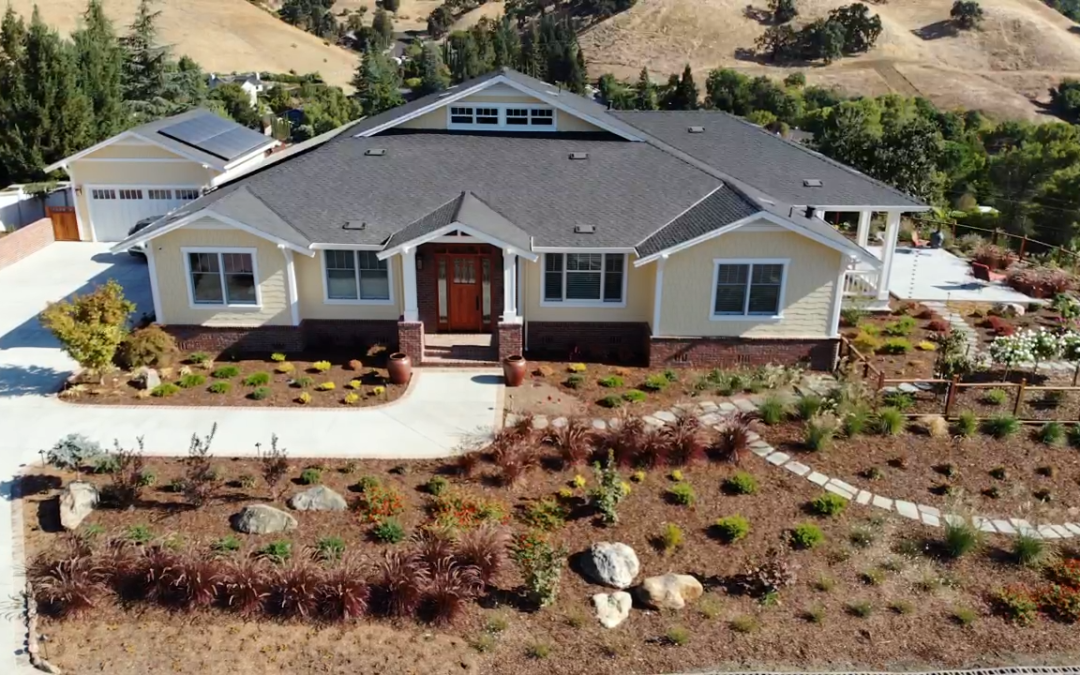
A landscape installation project can transform an ordinary outdoor area into a beautiful, functional extension of the home. Whether the goal is to create an inviting front yard, a comfortable backyard entertaining space, a low-maintenance garden, or a complete outdoor living environment, the success of the project depends on more than choosing attractive plants and materials.
For homeowners considering a significant investment in their property, the landscape installation proposal is one of the most important documents in the process. A well-prepared proposal explains what will be built, which materials and plants will be used, how the work will be completed, what the project is expected to cost, and what the homeowner can expect throughout construction.
This is especially important for larger residential landscape installation projects. When an outdoor renovation represents a substantial investment, vague estimates or incomplete descriptions can create confusion about the scope of work, material quality, construction methods, scheduling, and final costs.
A professional landscape installation proposal should therefore do more than provide a price. It should serve as a practical roadmap for the entire project. In this guide, we will explain what homeowners should look for in a landscape installation proposal, why each section matters, and how a detailed proposal can help protect the investment while creating a smoother experience from design through completion.
Key Takeaways
- A landscape installation proposal should clearly define the project’s scope, materials, labor, timeline, and expected costs.
- Site preparation should be described in detail because grading, demolition, drainage, soil work, and excavation can significantly affect a project’s success.
- Plant selections should identify quantities, sizes, types, and installation requirements whenever possible.
- Hardscape elements such as patios, walkways, retaining walls, outdoor kitchens, and seating areas should include specific materials and construction details.
- A professional landscape installation proposal should explain assumptions, exclusions, potential additional costs, and changes to the original scope.
- Larger projects should include information about project management, scheduling, payment terms, warranties, maintenance responsibilities, and completion procedures.
- Comparing proposals based only on the lowest price can be misleading; homeowners should compare the scope, quality, experience, and value being offered.
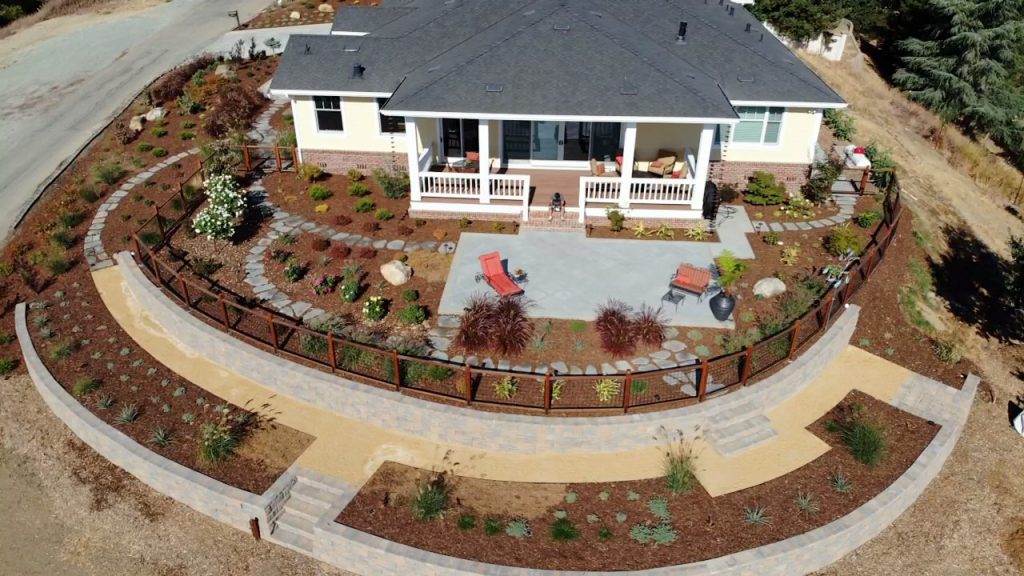
Why A Landscape Installation Proposal Matters
A proposal establishes a shared understanding between the homeowner and landscape contractor before construction begins. Without a detailed proposal, two parties can have very different expectations. A homeowner may assume that grading, irrigation upgrades, lighting, soil replacement, or cleanup are included, while the contractor may have considered those items outside the original scope. The problem often appears after construction has started, when changing the scope becomes more expensive and disruptive.
A detailed proposal helps prevent these misunderstandings by documenting the project before work begins. For example, a proposal for a backyard transformation might describe the removal of an existing lawn, installation of a new drainage system, construction of a paver patio, planting of trees and shrubs, installation of irrigation, landscape lighting, and final cleanup.
That level of detail gives the homeowner a much clearer picture of what the investment includes. It also makes proposals easier to compare. Two contractors might offer similar-looking prices, but one proposal may include extensive soil preparation, higher-quality materials, professional irrigation installation, and detailed project management, while another includes only basic installation. For higher-value landscaping projects, the proposal should be viewed as a planning and communication document, not simply a quote.
Project Overview and Design Intent
The first section of a strong landscape installation proposal should explain the overall project. This may include the property’s location, the areas being improved, the homeowner’s goals, and the general design concept. For example, a proposal could describe a backyard project intended to create an outdoor entertaining area with a patio, planting beds, privacy screening, lighting, and a low-maintenance lawn.
The overview should make it easy for the homeowner to answer a simple question: What exactly are we building?
A professional proposal may also reference plans, drawings, renderings, planting plans, or other design documents associated with the project. This becomes particularly valuable when the installation is extensive. A $30,000-plus landscape project may involve several interconnected components, and the homeowner should be able to understand how those components fit together. The proposal should connect the design vision with the physical work that will take place.
Detailed Scope of Work
The scope of work is arguably the most important part of a landscape installation proposal. Rather than simply stating “complete landscaping,” the proposal should identify the major tasks involved.
Depending on the project, the scope might include:
- Site preparation
- Demolition and removal
- Grading and drainage
- Soil preparation
- Irrigation installation or modifications
- Plant installation
- Lawn installation
- Hardscape construction
- Retaining walls
- Outdoor structures
- Landscape lighting
- Mulching
- Final cleanup
The scope should be specific enough that the homeowner understands what the contractor is responsible for completing. For example, “install patio” leaves many questions unanswered. What type of patio? What material? How large? Is excavation included? Is the base preparation included? Does the price include edging, joint material, drainage, and cleanup?
A better proposal describes the work in measurable terms. This level of specificity is particularly important for residential landscape installation because outdoor projects often involve several trades and construction techniques.
Landscape Demolition and Site Preparation
Beautiful landscaping begins with proper preparation. A proposal should explain what must happen before new landscaping can be installed. Depending on the property, preparation may involve removing an existing lawn, plants, concrete, pavers, fencing, structures, or other materials.
It may also include excavation, soil removal, grading, compaction, or preparation of planting beds. These activities can represent a substantial portion of the project’s cost, particularly when the property has difficult access, poor soil, steep slopes, drainage problems, or extensive existing landscaping.
A thorough proposal should indicate whether demolition and disposal are included. If existing materials will be salvaged or reused, that should also be documented. Homeowners should pay close attention to this section because site conditions can have a major impact on both price and schedule.
Ground Preparation and Drainage
Water management is one of the most important technical considerations in landscape installation. A landscape may look beautiful immediately after completion, but poor drainage can eventually cause erosion, standing water, damaged plants, soil movement, or problems around structures. If grading or drainage improvements are part of the project, the proposal should describe them.
Potential work could include:
- Regrading portions of the property
- Installing drainage channels
- French drains
- Catch basins
- Drainage piping
- Swales
- Soil amendments
- Erosion-control measures
The proposal should clarify what drainage issues are being addressed and what work is included. If drainage conditions cannot be fully determined until excavation begins, the proposal should explain that possibility rather than leaving the homeowner to discover additional costs later.
Planting Plan and Plant Specifications
Plant selection is one of the most visible aspects of a residential landscape installation project, but a professional proposal should go beyond listing general plant categories. Whenever possible, it should identify plant types, quantities, sizes, and locations. For example, a proposal might specify the number and size of trees, shrubs, ornamental grasses, perennials, ground covers, or other plants.
Plant specifications are important because size can significantly affect cost and appearance. A small tree and an established larger tree are not equivalent products, even if they are the same species. The proposal may also describe soil amendments, compost, mulch, staking, planting techniques, and initial watering requirements.
For homeowners concerned about long-term maintenance, the proposal can also clarify whether the selected plants are intended to create a low-maintenance, drought-tolerant, privacy-oriented, pollinator-friendly, or seasonal landscape.
Hardscape Materials and Construction Details
Hardscape features often represent a major investment in a landscape installation project. Patios, walkways, retaining walls, steps, driveways, seat walls, fire features, outdoor kitchens, and other structures require more than material selection. A detailed proposal should identify the materials and general construction approach.
For a patio, for example, the proposal might specify:
- Approximate dimensions
- Material type
- Pattern or finish
- Base preparation
- Edge restraints
- Joint material
- Drainage considerations
- Installation and cleanup
The same principle applies to retaining walls. A proposal should explain the type of wall system, approximate dimensions, finish, drainage provisions, and related excavation or backfill requirements when applicable. This information helps homeowners understand what they are paying for and reduces uncertainty when comparing professional landscape installation companies.
Irrigation and Water Management
Irrigation can make a major difference in the health and longevity of a landscape. A proposal should explain whether the project includes a new irrigation system, modifications to an existing system, drip irrigation, sprinkler zones, controllers, valves, or other components. It should also clarify whether irrigation work includes system testing and adjustment after installation.
For larger landscapes, homeowners may want to understand how different planting areas will be watered. Trees, lawns, shrubs, and container plants may have different watering requirements, so irrigation design should reflect the landscape plan. A professional proposal should also distinguish between installing irrigation and providing ongoing irrigation maintenance unless both are specifically included.
Landscape Lighting Installation
Landscape lighting can extend the usability of outdoor spaces while highlighting architectural and landscape features. If lighting is part of the project, the proposal should identify the basic scope. This may include pathway lights, accent lighting, uplighting, downlighting, wall lighting, patio lighting, transformers, wiring, controls, and other components.
Homeowners should look for enough information to understand where lighting will be installed and what equipment is included. The proposal should also clarify whether electrical work outside the landscape contractor’s scope is required. Clear expectations are especially important when lighting is integrated into patios, outdoor kitchens, water features, walls, or other constructed elements.
Materials, Product Standards, and Allowances
A proposal should identify important materials rather than relying on broad descriptions. Terms such as “premium pavers,” “quality plants,” or “high-end lighting” can be subjective. Whenever practical, homeowners should receive information about manufacturers, product lines, material grades, colors, finishes, sizes, or approved alternatives. Sometimes exact selections are not finalized when the proposal is prepared. In that situation, allowances can be useful.
An allowance establishes an agreed budget for an item that will be selected later. For example, a proposal might provide an allowance for patio materials, decorative stone, lighting fixtures, or plants. Allowances should be clearly explained. If the final selection exceeds the allowance, the homeowner should understand how the difference will be handled.
Labor and Installation Responsibilities
A professional landscape installation proposal should make clear what labor is included. This is more than a formality. Landscaping may involve excavation, grading, masonry, carpentry, irrigation, electrical coordination, planting, soil work, and finishing. The proposal should establish which tasks are included in the contractor’s scope and whether subcontractors or specialty professionals will be involved.
For larger projects, it can also be helpful to explain who will supervise the work and how communication will be handled. A homeowner should know who is responsible for coordinating different parts of the project. Good project management becomes increasingly important as project complexity increases.
Project Schedule and Construction Timeline
A landscape installation proposal should provide a realistic schedule or estimated duration. The schedule may include anticipated start and completion dates, but homeowners should understand that outdoor construction can be affected by weather, material availability, site conditions, inspections, design changes, and other factors.
A useful proposal explains the expected sequence of work. For example, site preparation may occur first, followed by grading, utility work, hardscape construction, irrigation, planting, lighting, and final cleanup. The exact sequence varies by project, but explaining it helps homeowners understand what to expect. For a major residential landscape installation, a clearly defined schedule can also help coordinate other home improvement projects taking place at the same property.
Project Cost and Pricing Structure
The proposal should provide a clear explanation of the project price. A lump-sum price can be appropriate for a well-defined project, while other projects may use unit pricing, allowances, or separate line items. Whatever pricing method is used, the homeowner should be able to understand how the total was calculated.
A strong proposal should identify whether costs include materials, labor, equipment, disposal, delivery, site preparation, and other major expenses. It should also distinguish between included work and potential additional charges. For higher-value projects, this transparency is especially important.
A homeowner comparing three proposals should not simply compare the bottom-line numbers. They should compare what each contractor is actually providing for those numbers. The lowest initial price is not necessarily the lowest overall cost if important work has been excluded.
Exclusions and Potential Additional Costs
One of the most valuable sections of a proposal is often the list of exclusions. No contractor can reasonably predict every condition that might be discovered during excavation or construction. Unexpected rock, buried debris, unsuitable soil, drainage issues, damaged utility lines, structural problems, or other site conditions can affect a project.
A professional proposal should identify foreseeable exclusions and explain how unforeseen conditions will be handled. This protects both parties. The homeowner receives greater financial clarity, while the contractor has a documented process for addressing circumstances outside the original scope. Change orders should also be explained. If the homeowner requests additional work or changes a material selection after the project begins, the proposal or contract should establish how those changes will be priced and approved.
Payment Schedule and Terms
For a substantial landscape installation project, the proposal should explain payment expectations. Rather than simply stating the total cost, it may identify deposits, progress payments, milestone payments, and final payment requirements. Payment terms should be straightforward and consistent with the final agreement.
The homeowner should also understand what happens if the project schedule changes or additional work is approved. Clear financial terms help avoid misunderstandings and allow both sides to plan appropriately.
Warranties and Plant Establishment
Landscaping involves living materials as well as constructed features, so warranty terms can be more complicated than those associated with ordinary home improvements. The proposal should explain applicable warranties for workmanship, materials, plants, irrigation components, lighting equipment, or other installed features. Plant warranties should receive particular attention. The survival of plants can depend on irrigation, weather, pests, soil conditions, maintenance, and homeowner care.
A professional proposal should therefore explain what is covered, for how long, and what conditions could affect warranty coverage. Homeowners should also determine whether ongoing landscape maintenance is included or offered separately.
Maintenance After Installation
The installation is only the beginning of a landscape’s life. New plants often require careful watering and establishment. Lawns may require specific mowing and irrigation practices. Irrigation systems may need seasonal adjustments. Trees and shrubs may require pruning as they mature. A proposal should clarify whether post-installation maintenance is included. Some contractors offer a short establishment period, while others provide separate maintenance programs.
If maintenance is not included, the homeowner should understand what care is recommended after installation. This is particularly important for homeowners investing in a high-value landscape because proper maintenance helps preserve the appearance and function of the original investment.
Site Access, Utilities, And Homeowner Responsibilities
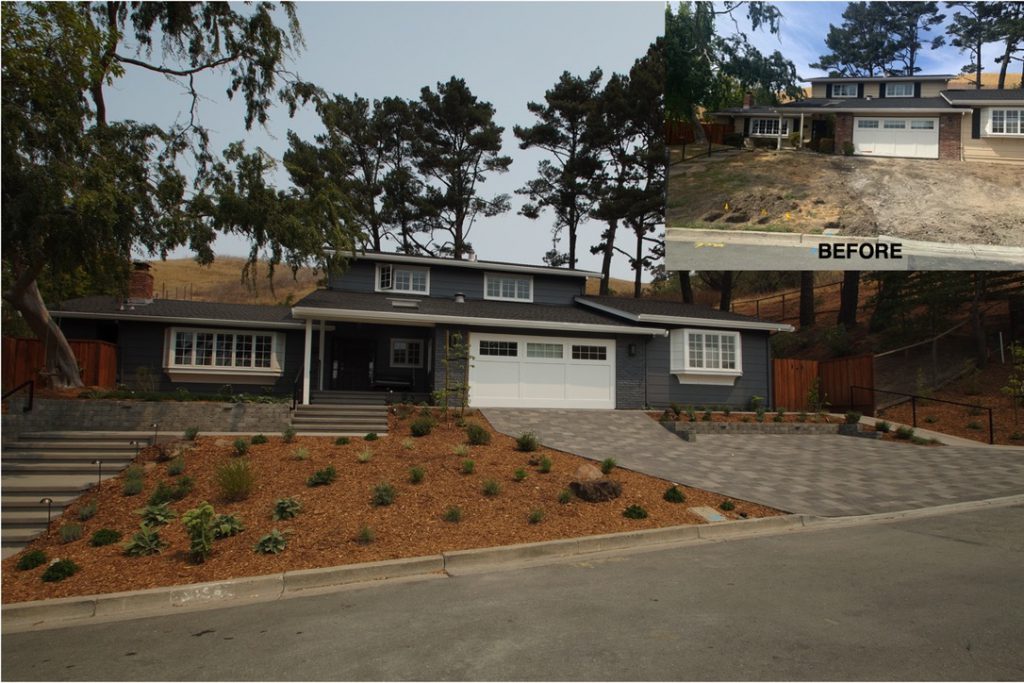
A professional proposal should identify practical responsibilities associated with accessing the property. Landscape construction equipment may require access through gates, driveways, side yards, or other areas. The proposal may address access limitations, staging areas, parking, material deliveries, pets, existing structures, or other site considerations. It should also explain how existing utilities will be handled.
Homeowners should provide accurate information about known private utilities or improvements where applicable, while contractors should identify their responsibilities for locating and working around utilities according to the project requirements. These details may seem minor at first, but they can become important once construction begins.
Cleanup and Final Walkthrough
A landscape installation proposal should explain what happens when construction is complete. Cleanup may include removing construction debris, excess soil, packaging, temporary materials, and other waste generated by the project. The proposal should also address final grading, sweeping or washing hardscape surfaces, testing irrigation, adjusting lighting, and completing final planting details when applicable.
A final walkthrough provides an opportunity for the homeowner and contractor to review the finished project together. For larger projects, the walkthrough can also be used to identify minor punch-list items and explain basic care requirements.
Professional Credentials and Project Management
The proposal itself cannot guarantee quality, but it can provide useful information about the contractor behind it. A professional landscape installation company should be able to explain its experience, construction process, project management approach, and qualifications relevant to the work being proposed. For complex projects, experience matters.
A company installing a small planting bed may not have the same capabilities as a contractor managing a comprehensive outdoor renovation involving grading, drainage, masonry, irrigation, lighting, and outdoor living features. Homeowners should evaluate whether the contractor’s experience matches the complexity of the project.
What Makes a Landscape Installation Proposal Professional?
A professional proposal should be clear enough that a homeowner can understand the project without having to interpret vague construction terminology.
It should answer five basic questions:
- What will be done?
- What materials will be used?
- How much will it cost?
- When will it happen?
- What happens if something changes?
The strongest proposals go further by explaining assumptions, responsibilities, warranties, maintenance, and project coordination. This level of detail demonstrates organization before construction even begins. For homeowners planning a major project, that can be an important indicator of how the contractor approaches the work itself.
How To Compare Landscape Installation Proposals
When homeowners receive multiple proposals, it can be tempting to choose the lowest price. Price should be only one factor.
- Start by comparing the scope of work. Does each contractor include the same site preparation, grading, drainage, irrigation, planting, hardscape, lighting, and cleanup?
- Next, compare materials. A lower price may reflect smaller plants, less expensive hardscape materials, simpler construction methods, or fewer project components.
- Then examine what happens when conditions change. A proposal with clear change-order procedures and exclusions may initially appear more expensive but provide greater cost predictability.
- Finally, consider communication and project management.
A landscape installation is performed on the homeowner’s property and can affect access, outdoor living, and daily routines for weeks or longer. A contractor who communicates clearly and manages the project professionally can provide significant value beyond the physical materials.
Questions Homeowners Should Ask Before Signing
Before accepting a landscape installation proposal, homeowners should make sure they understand the entire scope. Ask whether the proposal includes site preparation, grading, drainage, irrigation, lighting, planting, hardscape construction, disposal, and final cleanup where applicable.
- Ask which materials and plant sizes are included.
- Ask how unforeseen site conditions will be handled.
- Ask how requested changes will be priced.
- Ask what warranties apply.
- Ask what maintenance is required after installation.
- And ask who will manage the project and serve as the primary point of contact.
The goal is not to create unnecessary complexity. It is to eliminate uncertainty before construction begins.
Why Detail Matters More On $30K+ Landscape Projects
A larger landscaping investment deserves a more comprehensive proposal. As project value increases, so does the potential financial impact of misunderstandings. A major landscape installation may involve multiple construction phases, substantial quantities of materials, specialized equipment, extensive labor, and coordination between different types of work. The proposal should reflect that complexity.
For projects exceeding $30,000, homeowners should expect more than a one-page estimate. A detailed proposal can help establish realistic expectations around construction, materials, schedule, budget, and long-term maintenance. It also creates a useful reference throughout the project. When everyone is working from the same documented scope, decisions are easier to make, and disagreements are less likely.
Residential Landscape Installation: What Homeowners Should Prioritize
Residential projects have unique considerations because landscaping is closely connected to how a family uses its property. A front yard may need to improve curb appeal while remaining easy to maintain. A backyard may need to accommodate dining, entertaining, children, pets, gardening, or quiet relaxation. Privacy can also be important, particularly when neighboring properties are nearby.
A residential landscape installation proposal should therefore connect the construction details with the homeowner’s intended use of the space. Instead of treating the project as a collection of plants and hardscape materials, the proposal should demonstrate an understanding of how the finished landscape will function. That is where thoughtful planning can add significant value.
Professional Landscape Installation: Looking Beyond the Finished Photos
Photos of completed landscapes can be helpful when evaluating a contractor, but they only show the final appearance. The quality of the underlying installation is just as important. Professional landscape installation involves preparation, construction techniques, material handling, drainage, irrigation, planting practices, grading, finishing, and attention to detail.
A well-designed patio will not perform properly if its base is poorly prepared. Beautiful plants will struggle if the soil and irrigation are inappropriate. Attractive landscaping can develop serious problems if water is directed toward structures or drainage is ignored. A good proposal should therefore reflect the technical work required to create a durable landscape, not simply describe its appearance.
Common Red Flags In A Landscape Installation Proposal
Homeowners should be cautious when a proposal is extremely vague. Examples include descriptions such as “landscape entire yard,” “install premium plants,” or “build patio” without dimensions, materials, quantities, or meaningful scope details. Another warning sign is a proposal that provides a total price without explaining what is included.
Unclear exclusions can also create problems. If the contractor has not explained what happens when site conditions differ from expectations, the homeowner may face unexpected costs later. Finally, homeowners should be cautious about proposals that pressure them to make immediate decisions without adequate time to understand the scope. A professional contractor should be willing to explain the proposal and answer reasonable questions.
The Proposal Should Reflect The Homeowner’s Long-Term Goals
The best landscape installation proposals don’t focus only on what will be installed today. They consider how the landscape should perform over time. Plants grow. Trees become larger. Irrigation needs change. Hardscape surfaces weather. Outdoor spaces may eventually be used differently.
A thoughtful proposal can account for these considerations. For example, plant placement should consider mature size rather than simply how the landscape looks immediately after installation.
- Drainage should be designed for long-term performance.
- Lighting and irrigation should be accessible for future service.
- Hardscape should be constructed with durability in mind.
These details can distinguish a landscape designed for long-term value from one designed only for immediate visual impact.
Final Remarks
A landscape installation proposal should be much more than a price on a page. It should provide a clear understanding of the project from preparation through completion. A strong proposal explains the design intent, scope of work, site preparation, grading, drainage, planting, hardscape, irrigation, lighting, materials, labor, schedule, pricing, exclusions, payment terms, warranties, maintenance, and final cleanup.
For homeowners planning a substantial residential landscape installation, this level of detail is especially valuable. It makes it easier to compare contractors, understand the investment, identify potential risks, and establish realistic expectations before construction begins.
When evaluating professional landscape installation services, look beyond the lowest bid. Consider the completeness of the proposal, the quality of the materials, the contractor’s experience, the construction process, communication, project management, and the long-term performance of the finished landscape.
A well-written proposal creates clarity before the first shovel enters the ground. More importantly, it establishes the foundation for a successful project that can improve the beauty, usability, and value of the property for years to come.
Frequently Asked Questions
1. What Should A Landscape Installation Proposal Include?
A landscape installation proposal should generally include the project scope, design details, site preparation, grading and drainage, planting, hardscape, irrigation, lighting, materials, labor, schedule, pricing, exclusions, payment terms, warranties, maintenance responsibilities, and cleanup. The exact contents depend on the size and complexity of the project. Larger residential projects should typically receive more detailed documentation.
2. Why Is a Detailed Landscape Installation Proposal Important?
A detailed proposal establishes clear expectations between the homeowner and contractor. It explains what is included, what is excluded, what materials will be used, how the work will be completed, and how much the project is expected to cost. This can reduce misunderstandings and make it easier to compare different contractors based on the actual scope of work rather than price alone.
3. Should Landscaping Proposals Include Plant Names and Quantities?
Yes, when possible. A professional proposal should provide meaningful information about plant selections, including types, quantities, and sizes. Plant specifications matter because different species, sizes, and quantities can have significantly different costs. They also help homeowners understand what their completed landscape is expected to look like.
4. Should Drainage Be Included In A Landscape Installation Proposal?
If drainage or grading is part of the project, it should be clearly described in the proposal. Drainage may involve grading, drainage pipes, catch basins, swales, soil work, or other solutions depending on site conditions. Clearly documenting drainage work helps homeowners understand what water-management problems the project is designed to address.
5. How Should Homeowners Compare Landscape Installation Proposals?
Homeowners should compare the complete scope rather than focusing only on the total price. Review site preparation, materials, plants, hardscape, irrigation, lighting, labor, project management, warranties, exclusions, and cleanup. Two proposals with similar prices may provide very different levels of service, while a lower-priced proposal may exclude important work that will later increase the total cost.
6. What Should I Look For In A Professional Landscape Installation Contractor?
Look for a contractor with experience appropriate to the size and complexity of your project. Review the quality and completeness of the proposal, communication process, construction approach, project management, material specifications, and warranty terms. For a larger landscape project, it is particularly important to choose a contractor capable of coordinating the different components involved in the installation.
7. Can A Landscape Installation Proposal Change After Construction Begins?
Yes. Changes may occur when a homeowner requests additional work, selects different materials, changes the design, or when unforeseen site conditions are discovered. A professional proposal should explain how these changes will be documented and priced. Homeowners should review and approve significant changes before additional work begins whenever possible.
Start Your Residential Landscape Installation With a Proven Local Team
A great landscape starts with more than choosing plants and materials. Poor planning, disconnected contractors, drainage problems, irrigation mistakes, and improper installation can turn an exciting project into an expensive headache. Vince’s Landscaping takes a different approach to landscape installation, bringing design, construction, and installation together so every part of your outdoor space works as one complete plan.
Since 1982, our family-owned team has helped East Bay homeowners transform outdated and underused yards into outdoor spaces designed around the way they actually live. From hardscaping and planting to irrigation, lighting, outdoor living areas, and complete landscape installation, our experienced crews manage the project from start to finish with careful planning and open communication.
If you’re ready to invest in a landscape that looks great, functions properly, and is built to last, Vince’s Landscaping can help. Schedule a consultation and discover what professional landscape design and installation can do for your home.
Disclaimer
The materials available on this website are provided for general informational and educational purposes only. They are not intended to serve as professional design, construction, engineering, architectural, legal, or other specialized advice for any specific property or project.
Every landscape project is different, and conditions such as grading, drainage, soil, irrigation, existing structures, local codes, permitting requirements, and site access can affect the appropriate design and construction approach. You should consult with a qualified landscape professional, contractor, landscape architect, engineer, or other appropriate professional before making decisions based on information provided on this website.
Do not act or refrain from acting solely based on the content of this site. Information may change over time and may not reflect current building codes, regulations, industry standards, product specifications, or site-specific requirements. Vince’s Landscaping disclaims liability for actions taken or not taken based on the information contained on this website to the fullest extent permitted by law.
Recent Comments