
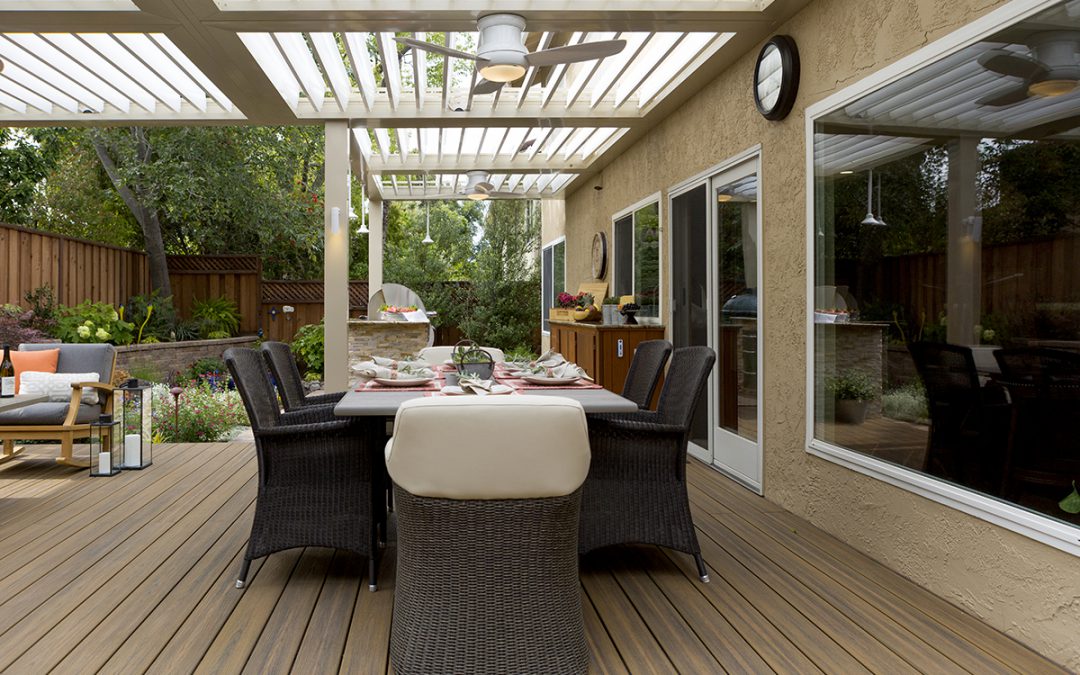
A successful landscape construction project is much more than planting a few trees, spreading mulch, or installing a new patio. Whether the goal is to create a functional backyard, improve curb appeal, build an outdoor entertaining area, or completely transform an undeveloped property, landscape construction involves a carefully coordinated sequence of planning, preparation, installation, and finishing work.
Understanding the landscape construction process from start to finish can make it easier to plan a realistic budget, establish expectations, choose appropriate materials, and understand why certain phases need to happen before others. A well-designed landscape can look effortless when it is finished, but the construction behind it often involves grading, drainage, excavation, hardscape installation, irrigation, planting, lighting, soil preparation, and detailed finishing work.
The exact process varies depending on the size and complexity of the property. A simple planting project may take only a few stages, while a complete backyard renovation can involve several crews and construction phases. Projects that include retaining walls, outdoor kitchens, pools, significant grading, drainage improvements, or extensive hardscaping require even more coordination.
This guide explains the typical landscape construction process from the initial consultation through final cleanup and ongoing landscape establishment.
Key Takeaways
- Landscape construction starts with understanding the property’s conditions, goals, and intended use.
- Design and planning help determine the layout, materials, plants, drainage strategy, and construction requirements.
- Site preparation commonly includes clearing, demolition, excavation, grading, and soil preparation.
- Drainage and grading should be addressed before many finished landscape elements are installed.
- Hardscape construction generally takes place before planting and other finishing work.
- Irrigation and landscape lighting require planning before surfaces and planting areas are finalized.
- Plant installation depends on appropriate soil preparation and proper placement.
- Final grading, cleanup, inspections, and walkthroughs help complete the project.
- Good landscape construction depends on sequencing each phase correctly rather than rushing to the visible finishing stages.
- Proper maintenance after construction helps new plants and landscape features establish successfully.
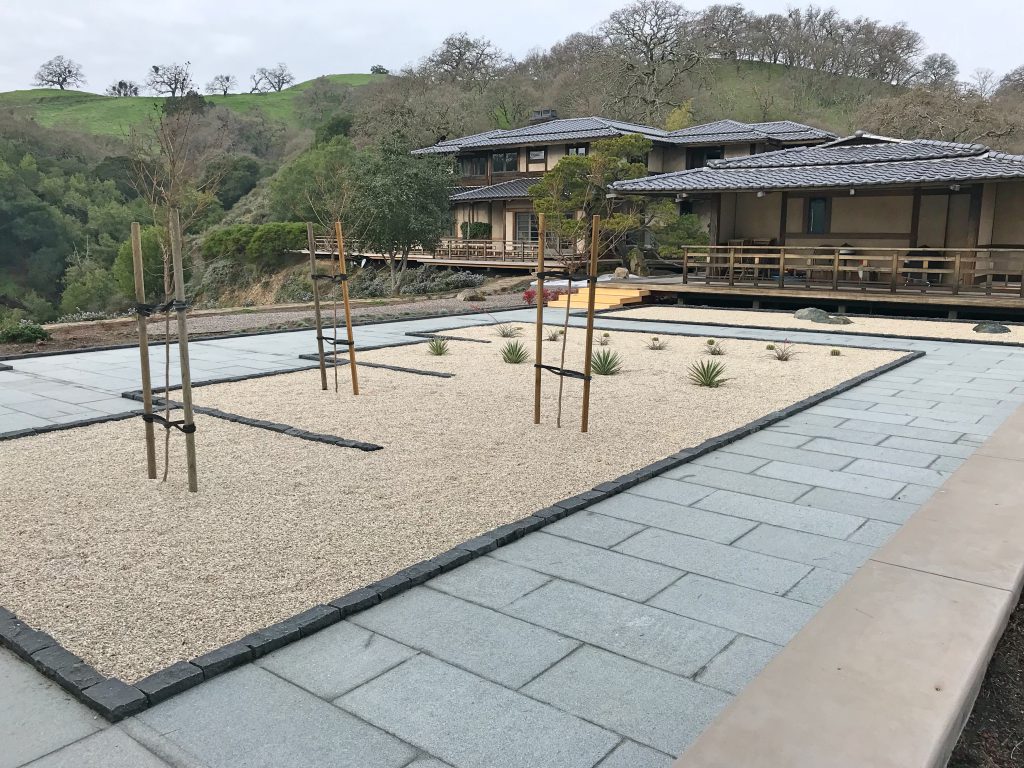
Initial Consultation and Project Goals
The first stage of a landscape construction project is determining what the property owner wants to accomplish.
A landscape contractor or design professional may begin by discussing questions such as:
- How will the outdoor space be used?
- Is the primary goal entertaining, recreation, gardening, relaxation, or aesthetics?
- Does the property have drainage problems?
- Are there areas that are difficult to access or maintain?
- Is additional privacy needed?
- Are there existing trees or landscape features worth preserving?
- What materials or design styles are preferred?
- How much maintenance is acceptable?
- What is the desired project budget?
- Are there future improvements that should be considered?
These questions help establish the project’s scope.
Defining the Intended Use
A backyard designed for frequent entertaining may need a very different layout from a garden intended primarily for quiet relaxation.
For example, an entertaining-focused landscape might include:
- A large patio
- Outdoor seating
- A cooking area
- Lighting
- Walkways
- Shade structures
- Fire features
A family-oriented backyard might prioritize:
- Open lawn space
- Durable surfaces
- Safe walkways
- Shade
- Storage
- Flexible gathering areas
Identifying the intended use early makes later design decisions more practical.
Site Assessment
After establishing the project’s goals, the property needs to be evaluated.
A site assessment examines existing conditions that could affect design and construction. The assessment may include:
- Property dimensions
- Existing structures
- Existing hardscape
- Trees and vegetation
- Soil conditions
- Drainage patterns
- Slopes
- Elevation changes
- Access points
- Utility locations
- Sun exposure
- Wind exposure
- Existing irrigation
- Existing electrical infrastructure
Why Existing Conditions Matter
A landscape may look relatively flat to the eye while still having subtle elevation differences that influence drainage. Likewise, a proposed patio may appear straightforward until the contractor determines that substantial excavation or base preparation is required. Existing trees can also influence construction. Their roots, canopy size, and mature dimensions need to be considered before installing paving, walls, irrigation, or structures nearby.
Evaluating Access
Construction materials and equipment need to reach the work area.
The contractor may evaluate:
- Gate widths
- Driveway access
- Side-yard access
- Equipment clearance
- Material delivery locations
- Areas where excavation equipment can operate
Limited access can affect both scheduling and construction methods.
Material and Plant Selection
After the overall design is established, materials and plants can be selected.
Landscape construction materials can include:
- Concrete
- Brick
- Natural stone
- Concrete pavers
- Porcelain pavers
- Gravel
- Decorative rock
- Timber
- Metal
- Composite materials
Plant selections may include:
- Shade trees
- Ornamental trees
- Shrubs
- Perennials
- Grasses
- Ground covers
- Vines
- Native or climate-adapted plants
- Lawn or turf alternatives
Considering Long-Term Performance
Appearance is important, but materials and plants also need to perform well in the property’s conditions.
Important considerations include:
- Sun exposure
- Water requirements
- Soil conditions
- Mature plant size
- Drainage
- Foot traffic
- Maintenance needs
- Durability
- Climate
- Seasonal appearance
Choosing a plant based only on how it looks at installation can create problems later if it grows too large or requires more water and maintenance than expected.
Finalizing the Construction Plan
Before physical construction begins, the project needs to be organized.
The construction plan may establish:
- Work sequence
- Material deliveries
- Equipment requirements
- Crew scheduling
- Site access
- Demolition requirements
- Excavation
- Grading
- Drainage
- Hardscape installation
- Irrigation
- Planting
- Lighting
- Final cleanup
A detailed plan helps prevent different construction activities from interfering with one another. It generally makes little sense to install expensive new planting beds before heavy equipment needs to cross the same area for excavation.
Excavation and Grading
Excavation and grading establish the basic shape and elevations of the landscape.
Excavation may be required for:
- Patios
- Walkways
- Retaining walls
- Drainage
- Irrigation
- Footings
- Outdoor structures
- Planting areas
Grading involves shaping the ground so water moves appropriately and finished surfaces achieve their intended elevations.
Why Grading Is So Important
Poor grading can create standing water, erosion, soil movement, and drainage problems. A properly graded landscape should direct water away from areas where it could cause damage while avoiding unnecessary runoff toward neighboring properties or structures. Grading also determines whether patios and walkways are level, sloped appropriately, or properly connected to existing elevations.
Managing Excavated Soil
Excavation often produces excess soil.
Depending on the project, excavated material may be:
- Reused on the property
- Relocated
- Used for grading
- Hauled away
The amount of soil generated can affect labor, equipment, hauling, and disposal costs.
Drainage Installation
Drainage work is often one of the least visible but most important components of landscape construction.
Depending on site conditions, drainage improvements may include:
- Surface drains
- Catch basins
- French drains
- Channel drains
- Drainage pipes
- Swales
- Dry wells
- Grading modifications
- Downspout connections where appropriate
Coordinating Drainage With Other Work
Drainage infrastructure usually needs to be installed before finished landscape surfaces cover the area. For example, if a patio needs a drainage channel, that component should be coordinated during patio construction rather than added after the surface is complete. The same principle applies to drainage lines beneath planting beds, walkways, or other landscape features.
Base Preparation for Hardscaping
Hardscape surfaces require a stable foundation.
For patios and walkways, the preparation process may include:
- Excavating to the appropriate depth
- Establishing the desired grade
- Preparing the subgrade
- Installing and compacting base material
- Establishing edge restraints where applicable
- Creating the appropriate bedding layer
- Installing the surface material
The exact construction method depends on the selected material and site conditions.
Why Base Preparation Matters
A beautiful patio can still fail if the foundation beneath it is poorly prepared.
Insufficient compaction or inadequate base material can contribute to:
- Settlement
- Cracking
- Uneven surfaces
- Paver movement
- Water problems
Good landscape construction focuses on what is underneath the finished surface, not just what is visible.
Hardscape Construction
Hardscape construction involves installing the nonliving structural elements of the landscape.
These may include:
- Patios
- Walkways
- Retaining walls
- Steps
- Seat walls
- Outdoor kitchens
- Fire features
- Driveways
- Borders
- Raised planters
Patio Installation
Patio construction may involve excavation, base preparation, drainage, edge restraints, surface installation, joint treatment, and finishing. The material chosen determines the installation method. Concrete, pavers, natural stone, and porcelain products each have different requirements.
Walkways
Walkways should connect destinations logically.
A well-designed path should provide comfortable movement between:
- The home
- Driveway
- Patio
- Garden
- Pool
- Outdoor kitchen
- Side yard
- Other frequently used areas
Walkway width, slope, material, and edge treatment all influence usability.
Retaining Walls
Retaining walls may be needed where a landscape contains significant grade changes. They can help create usable planting or recreation areas while managing changes in elevation.
Their construction needs to account for factors such as:
- Soil pressure
- Drainage
- Foundation conditions
- Wall height
- Material
- Slope
- Structural requirements
Retaining walls should not be treated simply as decorative borders when they are holding back substantial soil.
Irrigation Installation
Once major grading and hardscape work are sufficiently advanced, irrigation infrastructure can be installed or adjusted.
Irrigation systems may include:
- Main lines
- Valves
- Sprinklers
- Drip irrigation
- Controllers
- Filters
- Pressure regulation
- Zone controls
Designing for Efficient Watering
Different plants have different water requirements. Trees, shrubs, lawns, and smaller planting areas may need different irrigation approaches. A properly planned system can deliver water where it is needed without unnecessarily watering hardscape surfaces or areas that do not require irrigation.
Testing the System
Before planting areas are finalized, irrigation should be tested.
Testing can identify:
- Leaks
- Broken heads
- Incorrect spray patterns
- Pressure issues
- Coverage gaps
- Malfunctioning valves
It is much easier to correct these problems before the landscape is fully established.
Electrical and Landscape Lighting Work
Landscape lighting is another infrastructure component that needs to be coordinated with the construction sequence.
Lighting may be used for:
- Pathways
- Steps
- Patios
- Trees
- Architectural features
- Outdoor kitchens
- Seating areas
- Entryways
- Safety
Planning Lighting Locations
Lighting placement should support both function and appearance. Fixtures can highlight landscape features while providing illumination for areas that are used after dark. Wiring and other infrastructure should be coordinated before finished surfaces and planting areas are closed up.
Soil Preparation
Before planting, soil conditions need to be evaluated and prepared. Construction activities can compact soil, disturb existing soil layers, or remove valuable topsoil.
Soil preparation may include:
- Removing unsuitable material
- Adding quality topsoil
- Incorporating organic matter
- Amending soil where appropriate
- Loosening compacted areas
- Establishing proper planting grades
Why Soil Preparation Matters
Plants depend on healthy root environments. Compacted or poorly draining soil can restrict root development and contribute to plant stress. Preparing planting areas properly creates better conditions for long-term establishment.
Plant Installation
Planting generally occurs after the heavier construction work is substantially complete. This protects new plants from unnecessary damage caused by equipment, material deliveries, and construction traffic.
Plant installation may include:
- Trees
- Shrubs
- Perennials
- Ornamental grasses
- Ground covers
- Vines
- Flowers
- Lawn
- Native plants
Installing Trees Correctly
Trees require particular attention because they are long-term landscape investments.
Planting considerations include:
- Appropriate planting depth
- Root flare visibility
- Soil conditions
- Drainage
- Mature size
- Irrigation
- Available growing space
A tree that looks small at installation can eventually become one of the largest elements on the property.
Plant Spacing
Plants should be spaced according to their mature size rather than simply how they look on installation day.
Overcrowding may lead to:
- Competition for water
- Poor airflow
- Excessive pruning
- Disease pressure
- Reduced appearance
Proper spacing helps the landscape mature naturally.
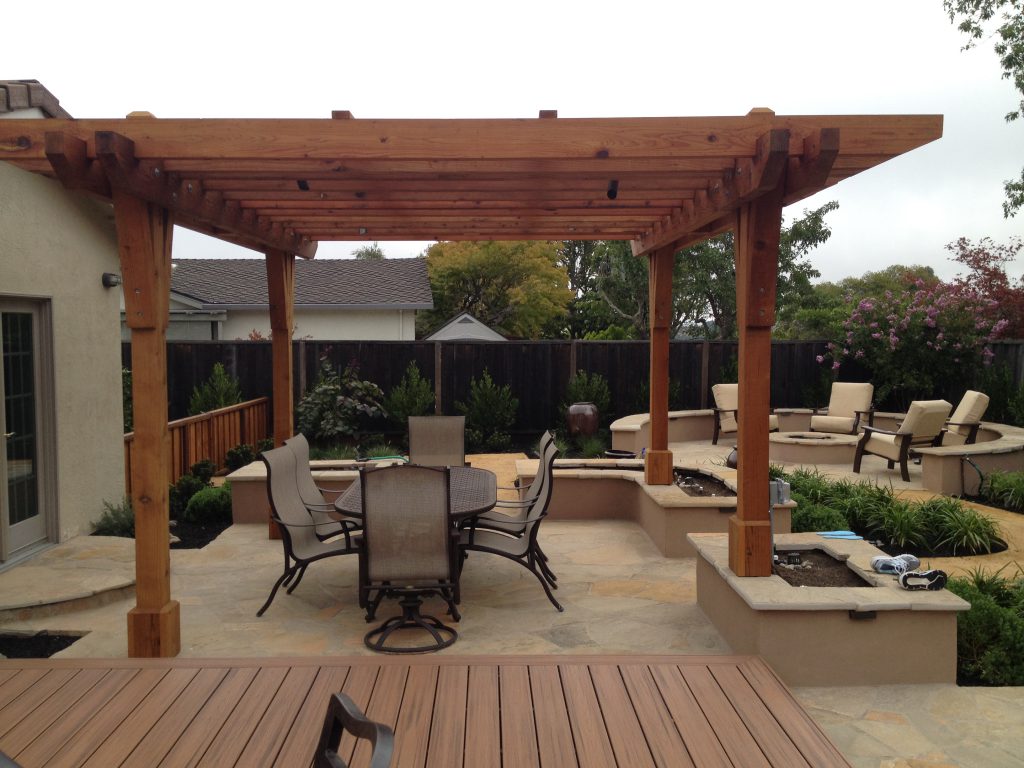
Lawn, Turf, or Ground Cover Installation
If the landscape includes lawn or another ground-cover treatment, installation usually takes place after grading and soil preparation.
Depending on the selected material, installation could involve:
- Seed
- Sod
- Synthetic turf
- Ground-cover plants
- Decorative gravel
- Mulch
The surface needs to be properly prepared before installation so the finished result is even and drains appropriately.
Finishing Details
Once major landscape elements are installed, the project moves into the finishing phase.
This can include:
- Mulching
- Decorative rock
- Edging
- Final planting
- Adjusting irrigation
- Installing landscape lighting fixtures
- Adding decorative features
- Finalizing transitions between materials
- Touch-up grading
These details may appear minor, but they can significantly affect the finished appearance.
Creating Clean Transitions
Professional-looking landscapes usually have clear transitions between different materials and zones.
Examples include:
- Paver to planting bed
- Lawn to walkway
- Gravel to patio
- Wall to planting area
- Driveway to garden bed
Proper edging and transitions help keep materials from migrating into neighboring areas.
Final Inspection and Quality Check
Before the project is considered complete, the contractor should review the finished landscape.
The final review may examine:
- Drainage
- Grading
- Hardscape stability
- Surface appearance
- Irrigation coverage
- Lighting operation
- Plant installation
- Material transitions
- Cleanup
- Remaining construction debris
Any deficiencies identified during the walkthrough can be addressed before final completion.
Checking Drainage
A final drainage review is particularly important after grading and hardscape installation. The contractor should verify that water flows as intended and that finished surfaces do not create unexpected low spots.
Checking Irrigation
Irrigation zones should be operated and adjusted as necessary. Sprinklers should provide appropriate coverage, while drip irrigation should be checked for leaks and proper operation.
Final Cleanup
Construction can leave behind soil, packaging, debris, excess materials, and other remnants.
Final cleanup may include:
- Removing construction debris
- Sweeping hardscape surfaces
- Removing excess soil
- Cleaning patios and walkways
- Collecting unused materials
- Removing temporary protection
- Cleaning access areas
A thorough cleanup allows the property owner to see the completed landscape without construction materials distracting from the finished work.
Client Walkthrough and Project Completion
The final stage is usually a walkthrough with the property owner.
The contractor can explain:
- Irrigation controls
- Lighting controls
- Plant care
- Watering requirements
- Maintenance expectations
- Material care
- Warranty information when applicable
- Recommended follow-up work
This is also an opportunity to identify small adjustments. A landscape is not necessarily “finished” simply because construction crews have left. Plants need time to establish, irrigation may require seasonal adjustments, and materials can settle or respond to weather.
How Long Does Landscape Construction Take?
The timeline varies significantly depending on the project’s size and complexity. A small landscape installation might take several days, while a major backyard renovation can take several weeks or longer.
Factors affecting the schedule include:
Project Size
A small planting project requires far fewer construction stages than a complete property renovation.
Site Conditions
Steep slopes, poor soil, drainage problems, limited access, and extensive demolition can increase the amount of work.
Material Availability
Special-order pavers, stone, lighting components, plants, fixtures, and other materials may have longer lead times.
Weather
Rain, extreme heat, or other weather conditions can affect excavation, grading, concrete work, planting, and material installation.
Construction Complexity
A project involving several interconnected systems will generally take longer than a simple planting project.
For example, a backyard containing a patio, retaining walls, drainage, irrigation, lighting, outdoor kitchen, and extensive planting requires significantly more coordination.
What Can Delay a Landscape Construction Project?
Even a well-planned landscape project can experience delays.
Common causes include:
- Weather
- Material shortages
- Special-order products
- Unexpected underground conditions
- Unforeseen drainage issues
- Difficult site access
- Changes requested during construction
- Additional demolition
- Soil problems
- Scheduling conflicts
- Plant availability
Change Orders
Changes made after construction has started can affect both cost and schedule. Changing the patio material after the base has already been prepared may require additional labor or material. Similarly, adding a new drainage line after hardscape installation can require removing and rebuilding finished areas. The best way to reduce these disruptions is to make major design and material decisions before construction begins.
How Much Does Landscape Construction Cost?
Landscape construction costs can vary widely. A basic planting project may have a relatively modest cost, while a complete backyard transformation can require a substantial investment.
Cost factors include:
- Project size
- Labor
- Materials
- Demolition
- Excavation
- Grading
- Drainage
- Hardscape
- Plant material
- Irrigation
- Lighting
- Outdoor structures
- Site accessibility
- Soil conditions
- Custom features
Hardscape Costs
Patios, walkways, retaining walls, outdoor kitchens, and other constructed elements can represent a significant portion of the budget. Material choice has a major impact. For example, basic concrete and premium natural stone can have very different material and installation costs.
Planting Costs
Planting costs depend on:
- Number of plants
- Plant size
- Species
- Soil preparation
- Irrigation requirements
- Installation labor
Larger mature plants generally cost more to purchase and install but can create an established appearance sooner.
Infrastructure Costs
Drainage, irrigation, lighting, and electrical work may not be the most visually obvious parts of a landscape, but they can contribute significantly to the overall project cost.
Why Construction Sequencing Matters
Landscape construction is essentially a chain of connected activities.
One phase often depends on another.
For example:
Design → Site preparation → Excavation → Grading → Drainage → Base preparation → Hardscape → Irrigation/Lighting → Soil preparation → Planting → Finishing → Cleanup
The exact order can vary, but the principle remains the same. Installing finished elements too early can create unnecessary rework. For example, planting a garden before heavy equipment is finished crossing the area could damage the plants. Installing a patio before underground drainage work is completed could require sections of the patio to be removed later.
Proper sequencing saves time, protects completed work, and helps control costs.
What Should Homeowners Do Before Construction Begins?
Property owners can make the process smoother by preparing before crews arrive.
Establish Priorities
Determine which features are essential and which are optional. This helps when budget adjustments are necessary.
Finalize Materials
Where possible, select major materials before construction begins.
Discuss Access
Identify gates, driveways, side yards, and other access points.
Protect Personal Property
Move outdoor furniture, decorations, toys, and other items away from the construction area.
Plan for Noise and Construction Activity
Excavation and demolition can be noisy.
Homeowners should expect some disruption during active construction.
Communicate Changes Quickly
If something needs to be changed, discuss it with the contractor as soon as possible.
Early changes are generally easier to accommodate than modifications made after a phase has been completed.
Common Landscape Construction Mistakes to Avoid
Starting Without a Complete Plan
Beginning construction without understanding the final layout can result in unnecessary changes and inconsistent results.
Ignoring Drainage
A beautiful landscape can quickly become problematic if water is not managed correctly.
Choosing Plants Based Only on Appearance
Plants need to match the site’s sunlight, soil, water, and space conditions.
Underestimating Access
Limited access can make excavation and material delivery much more difficult.
Skipping Soil Preparation
Poor soil conditions can affect plant health and long-term landscape performance.
Installing Features in the Wrong Sequence
Premature installation can lead to damage and expensive rework.
Focusing Only on the Visible Features
Drainage, grading, irrigation, and base preparation may not be immediately visible, but they are critical to the finished landscape.
Designing Without Maintenance in Mind
A landscape should be designed around the level of maintenance the property owner is realistically willing to perform.
How Maintenance Fits Into the Construction Process
Landscape construction creates the environment, but maintenance keeps it performing well. New landscapes often require careful attention during establishment.
Maintenance may include:
- Regular watering
- Irrigation adjustments
- Weed control
- Pruning
- Mulching
- Fertilization where appropriate
- Pest monitoring
- Lawn care
- Seasonal cleanup
Plant Establishment
New plants need time to develop their root systems. Their watering requirements may differ from those of established plants. A landscape contractor may provide recommendations for the first several weeks or months after installation.
Irrigation Adjustments
Water requirements change with:
- Season
- Temperature
- Plant growth
- Rainfall
- Soil conditions
Irrigation controllers may need periodic adjustment rather than remaining on one schedule throughout the year.
How to Choose a Landscape Construction Contractor
Choosing the right contractor is an important part of the process.
Consider asking potential contractors about:
- Experience with similar projects
- Project scope
- Construction methods
- Material options
- Scheduling
- Communication
- Insurance
- References
- Warranty policies
- Maintenance recommendations
Review Similar Projects
Ask to see examples of landscape construction projects similar to yours. A contractor experienced with basic planting may not necessarily have the same expertise required for complex hardscape or structural work.
Get a Detailed Scope of Work
A written scope should clarify what is included.
It can identify:
- Demolition
- Excavation
- Grading
- Drainage
- Materials
- Plant installation
- Irrigation
- Lighting
- Cleanup
A detailed scope makes it easier to compare proposals accurately.
What Does a Finished Landscape Construction Project Look Like?
A finished landscape should feel cohesive rather than like a collection of unrelated features. Hardscape, plants, drainage, lighting, and circulation should work together.
A successful project typically provides:
- Functional outdoor areas
- Safe and comfortable circulation
- Appropriate drainage
- Durable surfaces
- Healthy planting
- Efficient irrigation
- Attractive lighting
- Manageable maintenance requirements
The best landscapes are not simply attractive. They are designed to work for the people using them and the conditions of the property.
Conclusion
The typical landscape construction process moves through a series of interconnected stages, beginning with an understanding of the property owner’s goals and ending with final cleanup, walkthrough, and landscape establishment.
The major phases generally include consultation, site assessment, design, material selection, site preparation, excavation, grading, drainage, hardscape construction, irrigation, lighting, soil preparation, planting, finishing, inspection, and cleanup.
The sequence matters because many landscape systems depend on work completed during earlier stages. Drainage needs to be considered before finished surfaces are installed. Hardscape requires proper base preparation. Irrigation needs to be coordinated with planting. Soil needs to be prepared before plants are installed.
Taking the time to plan each phase carefully can help reduce rework, protect the investment, and create an outdoor space that performs well for years.
Whether the project involves a relatively simple planting upgrade or a complete backyard transformation, understanding the construction process gives property owners a clearer picture of what happens behind the scenes and why professional planning and sequencing are so important.
Frequently Asked Questions
1. What Is The First Step In Landscape Construction?
The first step is typically an initial consultation and site assessment. The property owner and contractor discuss goals, budget, intended use, existing conditions, and the desired scope of work.
2. What Happens During Landscape Site Preparation?
Site preparation may include clearing vegetation, removing old hardscape, demolishing unwanted structures, protecting existing features, excavating, and preparing the property for grading and construction.
3. Why Is Grading Important In Landscape Construction?
Grading establishes the elevations and slopes of the property. Proper grading helps direct water appropriately, reduces standing water, supports hardscape installation, and creates usable outdoor areas.
4. Should Drainage Be Installed Before Landscaping?
Drainage should generally be addressed before finished landscape features are installed. Drainage infrastructure can be difficult and expensive to add after patios, walkways, planting beds, and other finished elements are already in place.
5. When Is Hardscaping Installed?
Hardscaping is generally installed after site preparation, excavation, grading, drainage, and appropriate base preparation. The exact sequence depends on the project’s design and construction requirements.
6. When Should Plants Be Installed?
Plants are commonly installed after major excavation and hardscape construction is complete. This reduces the risk of construction equipment damaging new plants.
7. How Long Does Landscape Construction Take?
The timeline depends on project size, complexity, site conditions, materials, weather, access, and the number of construction phases involved. Small projects can take days, while larger landscape renovations may take several weeks or longer.
Start Your Landscape Construction Project With A Proven Local Team
A successful landscape construction project starts with careful planning and skilled execution. Poor drainage, improper grading, disconnected hardscape elements, irrigation issues, and rushed construction can create costly problems later. Vince’s Landscaping takes a complete approach to landscape construction, coordinating every element so your outdoor space is functional, cohesive, and built to last.
Since 1982, our family-owned team has helped East Bay homeowners transform outdated and underused yards through professional landscape construction. From patios, walkways, retaining walls, and planting areas to irrigation, lighting, outdoor living spaces, and complete backyard transformations, our experienced crews manage each project from start to finish with careful planning and clear communication.
If you’re ready to invest in a professionally built landscape that improves how you use and enjoy your property, Vince’s Landscaping can help. Schedule a consultation and discover what experienced landscape construction can do for your home.
Disclaimer
The materials available on this website are provided for general informational and educational purposes only. They are not intended to serve as professional design, construction, engineering, architectural, legal, or other specialized advice for any specific property or project.
Every landscape project is different, and conditions such as grading, drainage, soil, irrigation, existing structures, local codes, permitting requirements, and site access can affect the appropriate design and construction approach. You should consult with a qualified landscape professional, contractor, landscape architect, engineer, or other appropriate professional before making decisions based on information provided on this website.
Do not act or refrain from acting solely based on the content of this site. Information may change over time and may not reflect current building codes, regulations, industry standards, product specifications, or site-specific requirements. Vince’s Landscaping disclaims liability for actions taken or not taken based on the information contained on this website to the fullest extent permitted by law.
Recent Comments