
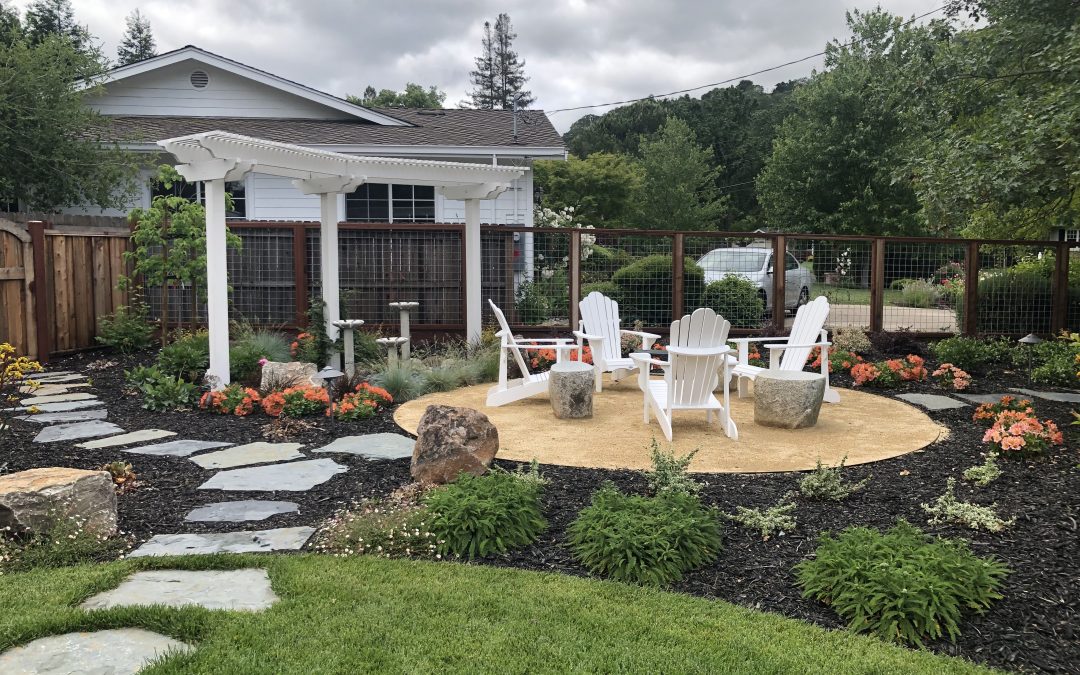
Most people picture a landscape project as “some grass, a few bushes, maybe a paver path” and call it a day. That’s the misconception right there. A real residential landscape construction project is closer to building a small piece of architecture outdoors, complete with drainage engineering, electrical runs, structural walls, and a planting plan that has to survive both drought and toddlers. The honest answer to what can be included? Almost anything your budget and your yard’s grading will allow, split across four buckets: hardscape, softscape, outdoor living amenities, and the utility systems that keep the whole thing alive.
I’ve talked to enough landscapers and pored over enough design plans to know that homeowners usually underestimate the scope. They think of a “new patio” and end up mid-project realizing they also need a French drain, a retaining wall, and a rewired lighting circuit. So let’s actually map this out properly.
Key Takeaways
- A residential landscape construction project typically spans hardscape (patios, walls, driveways), softscape (plants, turf, trees), outdoor living amenities (kitchens, fire features, pools), and utility systems (irrigation, drainage, lighting).
- Grading and drainage decisions come first, always, because they dictate where everything else physically can sit.
- Costs swing wildly by material and region, so budgeting in tiers (hardscape first, softscape second, amenities third) protects you from overspending on the flashy stuff before the foundation is sound.
- DIY works fine for planting beds and mulch. Structural elements like retaining walls over a few feet, electrical, and grading almost always need a licensed landscape designer or contractor.
What Categories Define A Residential Landscape Project?
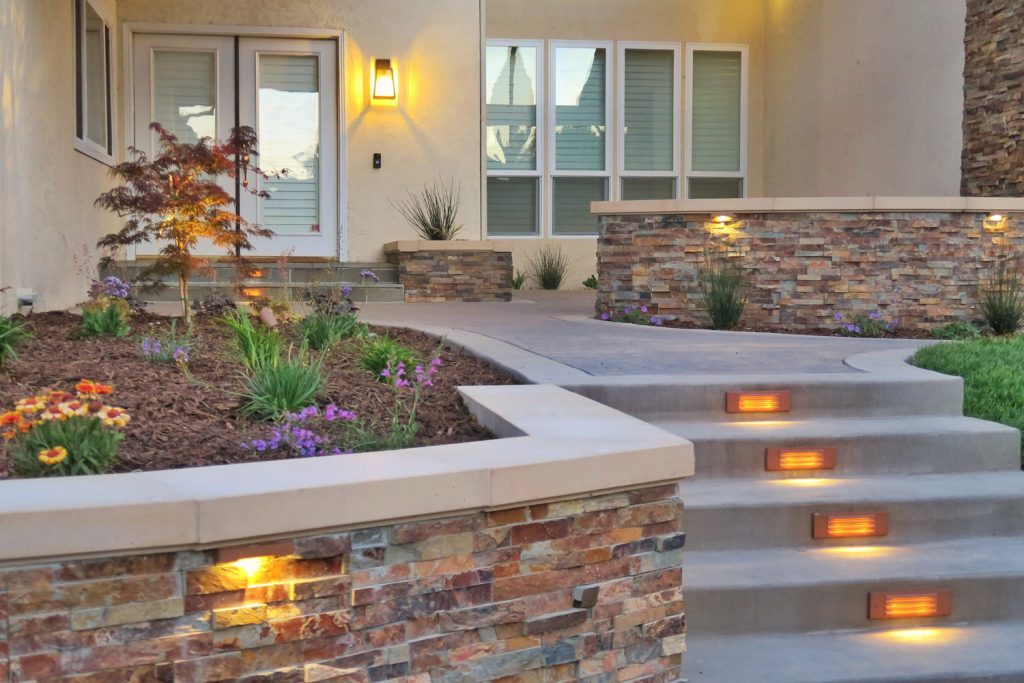
Residential landscape projects can include far more than planting flowers or maintaining a lawn. Depending on the property’s needs and the homeowner’s goals, a project may involve structural improvements, living landscape elements, outdoor living features, and the utility systems that keep everything working properly.
Landscape architects and university extension programs may organize landscape work into several broad categories. Thinking about these categories from the beginning can make a complex project easier to understand, budget, and organize. It also helps homeowners recognize how different elements of a landscape depend on one another.
Hardscape Elements
Hardscape refers to the constructed, non-living components of the landscape. These features form much of the physical framework of an outdoor space and can determine how people move through and use the property.
Common hardscape elements include:
- Patios and outdoor seating areas
- Walkways and garden paths
- Driveways and parking areas
- Retaining walls
- Steps and stairs
- Landscape edging
- Fences and gates
- Paved gathering areas
- Built-in seating
- Other masonry or structural features
Think of hardscape as the skeleton of the landscape. It establishes boundaries, creates usable surfaces, manages changes in elevation, and provides defined areas for different activities.
Hardscape also needs to be considered alongside grading and drainage. A beautiful patio will not perform well if water consistently collects beneath or around it. Likewise, a retaining wall needs to account for soil pressure, drainage, and site conditions rather than being treated as purely decorative.
Material selection is another important consideration. Concrete, natural stone, pavers, brick, gravel, and other materials can create very different appearances and maintenance requirements. The best choice depends on the desired design, intended use, site conditions, durability expectations, and overall project plan.
Softscape Elements
Softscape refers to the living and growing components of a landscape. This includes the plants that provide color, texture, shade, screening, habitat, and seasonal interest.
Typical softscape elements include:
- Turfgrass and lawn areas
- Trees
- Shrubs
- Groundcovers
- Perennial and annual planting beds
- Ornamental plants
- Native or climate-appropriate vegetation
- Vegetable gardens
- Herb gardens
- Fruit trees and other edible landscaping
If hardscape provides the structure, softscape gives the landscape its personality. Plants can soften architectural features, define spaces, provide privacy, attract beneficial wildlife, and create visual interest throughout the year.
Plant selection should be based on more than appearance. Sun exposure, soil conditions, available water, mature plant size, drainage, maintenance requirements, and the relationship between plants and nearby structures should all be considered. For example, planting a large tree too close to a structure or paved surface may create problems as the tree matures. Similarly, selecting plants that require substantially more water than the site can reasonably provide may increase maintenance and irrigation demands.
A thoughtful softscape plan considers how plants will look not only immediately after installation but also as they grow and change through the seasons.
Outdoor Living and Utility Systems
Then there is the layer many homeowners do not think about until construction is already underway: outdoor living features and the systems that support them.
Outdoor living features can include:
- Outdoor kitchens
- Fire pits and fireplaces
- Pool areas
- Pergolas and shade structures
- Outdoor dining spaces
- Built-in seating
- Entertainment areas
- Recreational spaces
These features transform the landscape from a passive garden into an extension of the home’s living space. Their placement should be coordinated with circulation, privacy, views, existing structures, and the way the property will actually be used.
Behind these visible features are utility systems that can be just as important to the success of the project. Irrigation, drainage, electrical service, landscape lighting, and other infrastructure may need to be planned before finished surfaces and planting areas are installed.
Irrigation helps deliver water to planting areas efficiently. Drainage manages unwanted water and can help protect structures, hardscape, soil, and plants. Landscape lighting can improve visibility while also highlighting architectural and planting features. Utility planning may also be necessary for outdoor kitchens, pools, water features, and other amenities.
These systems are easy to overlook because much of the work may be underground or visually subtle. They are a major part of what makes a landscape functional rather than simply attractive.
How the Categories Work Together
The most successful residential landscape projects do not treat hardscape, softscape, outdoor living features, and utility systems as independent pieces. They are interconnected. For example, the location of a patio affects nearby planting areas. The planting areas influence irrigation requirements. Grading around the patio affects drainage. Outdoor kitchen placement may require utility connections. A retaining wall can change the property’s elevation and influence how water moves across the site.
This is why planning the complete landscape before construction begins can be so valuable. Even if the project will be completed in phases, establishing the overall layout allows each stage to support the next.
Ultimately, these categories provide a useful framework for understanding what goes into a residential landscape project. Hardscape creates the structure, softscape brings the environment to life, outdoor living features add functionality and enjoyment, and utility systems provide the behind-the-scenes support. When all of these elements are planned together, the result can be a landscape that is not only beautiful but also practical, durable, and suited to everyday life.
Which Softscape Choices Shape The Garden’s Character?
Native and Drought-Tolerant Plants
Regional, native plant selection is where ecological landscape design actually earns that label instead of just being a buzzword. In the arid West, that might mean agave and manzanita instead of thirsty ornamentals. In the humid Southeast, it looks completely different. Either way, matching plant choice to your USDA hardiness zone cuts water bills and maintenance headaches simultaneously.
Turfgrass Selection By Climate
Not all lawn is created equal, and picking the wrong turfgrass for your climate is a slow-motion disaster. Kentucky bluegrass thrives in cooler northern climates but scorches in southern heat, while Bermudagrass handles that heat fine but goes dormant and brown come winter. A skilled landscape designer factors this in before a single sod roll gets laid down.
Trees, Shrubs, And Edible Gardens
Layering matters here. Ornamental trees like Japanese maples or dwarf citrus add vertical structure and soften the hard corners of a patio or fence line. Edible gardens, raised vegetable beds, berry trellises, and herb plots have moved from “quirky hobby” to a standard inclusion in a lot of residential landscaping design because homeowners want function baked into the aesthetic, not bolted on afterward.
What Outdoor Living Amenities Extend Everyday Use?
Here’s a quick side-by-side of the amenity tier, since costs and complexity vary more here than almost anywhere else in the project:
| Amenity | Typical Complexity | Common Materials |
| Fire pit | Low to moderate | Stone, brick, or gas line optional |
| Outdoor kitchen | High | Stainless steel, stone veneer, concrete counters |
| Pergola/gazebo | Moderate | Cedar, redwood, aluminum |
| Pool/spa | Very high | Gunite, fiberglass, vinyl liner |
| Sport court | Moderate to high | Concrete, synthetic turf |
Outdoor Kitchens, Fireplaces, And Fire Pits
Built-in grills, pizza ovens, and stone fireplaces have turned backyards into legitimate extensions of the kitchen. A fire pit, whether wood-burning or plumbed with a gas line, tends to be the easier entry point, usually the first amenity a homeowner adds before committing to a full outdoor kitchen build.
Pergolas, Gazebos, and Shade Structures
Shade structures create what designers call “outdoor rooms,” sheltered zones that make a patio usable in July instead of just in October. Pergolas offer partial shade with an open lattice roof, while gazebos and arbors provide fuller coverage and a more defined architectural statement.
Pools, Spas, and Recreational Courts
Pools represent the deep end of complexity, pun intended, requiring extensive plumbing, coping, decking transitions, and often permitting that stretches a project timeline by months. Recreational additions like putting greens or bocce courts are smaller commitments but still demand precise grading and drainage of their own.
What Utility Systems Keep a Landscape Functional?
A well-designed landscape needs more than attractive plants and carefully selected hardscape. Behind the visible features are utility systems that help manage water, provide lighting, support outdoor features, and keep the property comfortable and functional throughout the year.
These systems are often less noticeable than patios, planting beds, or outdoor kitchens, but they can have a major effect on how well the landscape performs. When they are planned early, they can be integrated into the design without disrupting finished areas. When they are added as an afterthought, installation may require unnecessary excavation, changes to existing features, or costly rework.
Smart Irrigation and Drainage
Water management is one of the most important parts of a functional landscape. Irrigation provides plants with the water they need, while drainage helps move excess water away from areas where it could cause problems.
Modern irrigation systems can include smart controllers, drip irrigation, zone-based watering, and weather-responsive scheduling. These technologies can adjust watering based on factors such as weather conditions, soil moisture, or seasonal needs rather than relying entirely on a fixed schedule.
Drip irrigation can deliver water directly to planting areas, helping reduce unnecessary watering of surrounding surfaces. Smart controllers can also make it easier to adjust irrigation throughout the year as plant water requirements change.
Drainage addresses the opposite problem: too much water in the wrong location. Poor drainage can contribute to standing water, soil erosion, damaged plants, saturated planting beds, and problems around structures.
Depending on site conditions, drainage solutions may include:
- French drains
- Catch basins
- Channel drains
- Grading adjustments
- Drainage swales
- Permeable paving
- Downspout management
- Subsurface drainage systems
The appropriate solution depends on the property’s slope, soil, existing drainage patterns, structures, and local conditions. Irrigation and drainage should also be considered together because adding more irrigation without understanding how water moves through the property can create new problems.
Landscape Lighting Design
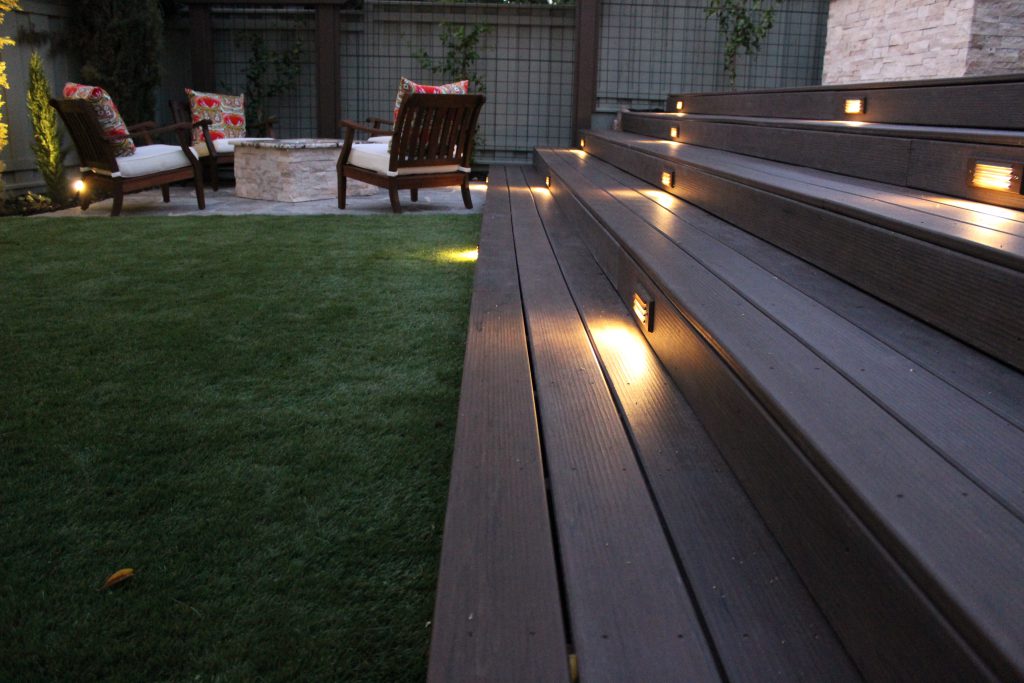
Landscape lighting can improve both the appearance and usability of an outdoor space after sunset. It can illuminate walkways, highlight trees and architectural elements, define outdoor gathering areas, and provide additional visibility around the property.
Common landscape lighting applications include:
- Low-voltage path lighting
- Step and stair lighting
- Tree uplighting
- Downlighting
- Accent lighting
- Architectural spotlighting
- Patio and outdoor living area lighting
- Entry and pathway illumination
Lighting works best when it is considered during the landscape planning stage rather than added after every other feature has been installed. Electrical routes, fixture locations, controls, transformers, and wiring can be coordinated with patios, planting beds, pathways, structures, and other landscape elements.
Thoughtful lighting design also focuses on balance. More lighting does not necessarily create a better result. Strategic placement can provide enough illumination for safety and visibility while preserving the atmosphere of the outdoor environment.
Water Features and Ponds
Water features can add sound, movement, texture, and visual interest to a landscape. Fountains, ponds, waterfalls, streams, and other water elements can become focal points or complement existing planting and outdoor living areas.
Although they may appear primarily decorative, water features involve their own technical requirements. Depending on the design, they may require pumps, plumbing, filtration, electrical connections, water circulation equipment, and maintenance access.
Ponds and water gardens may require additional consideration for water quality and circulation. Features containing fish or aquatic plants can have different filtration and maintenance needs than a simple decorative fountain.
Because water features require infrastructure, their location should be established before surrounding hardscape and planting are finalized. Coordinating plumbing and electrical requirements early can help avoid disturbing finished surfaces later.
Why Utility Systems Should Be Planned Early
One of the biggest advantages of integrating utility systems into the landscape plan is coordination. Irrigation lines, drainage components, electrical wiring, lighting systems, and water-feature plumbing often need to pass through areas that will eventually contain plants, paving, structures, or other improvements.
If these systems are installed after the landscape is already finished, accessing them may require digging through planting beds or removing portions of the landscape. Early planning helps establish where infrastructure needs to go and how it will interact with the rest of the project.
Utility planning also supports future maintenance. Valves, drains, electrical components, filters, pumps, and other equipment should be positioned so they can be accessed when repairs or adjustments are needed.
Ultimately, the systems beneath and around a landscape are just as important as the features that are immediately visible. Smart irrigation delivers water efficiently, drainage manages excess moisture, lighting extends the usability of outdoor areas, and water-feature systems add movement and sensory appeal. When these components are designed as part of the overall landscape construction plan, they can work together to create an outdoor space that is beautiful, practical, and easier to maintain.
How Should You Plan and Design These Features?
Planning starts with a site survey, existing vegetation inventory, sun exposure mapping, and soil testing, long before anyone sketches a pretty rendering. According to design guidance from the University of Florida IFAS Extension, understanding drainage requirements and existing conditions upfront prevents costly rework once construction crews are already on site. A landscape designer typically layers a base plan (grading, drainage, hardscape footprint) before adding planting design and amenity placement on top.
How Much Should You Budget For Each Feature?
Budget in tiers. Hardscape and grading eat the largest share of most residential landscape construction budgets because they involve heavy equipment, base material, and labor-intensive installation. Softscape costs less per square foot but adds up fast with mature trees or extensive turf installation. Amenities like pools or full outdoor kitchens can rival the cost of a home addition, so most experienced landscapers recommend phasing these last, once the structural and living layers are locked in.
Should You Hire a Professional or Do the Project Yourself?
Simple planting beds, mulch refresh, and small edging work are genuinely fine for a motivated homeowner with a weekend to spare. But retaining walls over a couple of feet tall, electrical wiring for lighting or kitchens, and anything touching grading or drainage really needs a licensed landscape architect or contractor. Get this wrong, and you’re not just risking an ugly result, you’re risking foundation damage or a wall collapse.
How Do You Sequence Installation For A Multi-Feature Project?
Grading and drainage go first, always. Then hardscape structures like patios, walls, and driveways. Utility rough-ins, irrigation lines, and electrical conduit get installed before any hardscape surface gets poured or laid on top of them. Softscape and planting come last, once heavy equipment traffic is done and won’t compact new garden beds.
What Maintenance Does Each Feature Type Require Long-Term?
Hardscape needs occasional resealing and joint sand refresh. Softscape demands seasonal pruning, fertilization, and irrigation adjustment as plants mature. Utility systems, especially smart irrigation controllers, need periodic recalibration, and water features need filtration checks to avoid algae buildup.
Conclusion
A successful residential landscape construction project is more than a collection of attractive features. Patios, walkways, retaining walls, plants, outdoor kitchens, lighting, irrigation, drainage, and other improvements should work together as parts of one carefully planned outdoor environment.
The strongest projects begin with the fundamentals. Grading, drainage, site conditions, and utility requirements should be considered before permanent hardscape and planting are installed. From there, homeowners can create functional outdoor living areas, select plants suited to the property, incorporate lighting and irrigation, and add amenities that complement how they want to use their space.
Planning the entire landscape early can also make budgeting and construction easier, even when the work will be completed in phases. Prioritizing essential site preparation and structural elements first helps reduce unnecessary rework while creating a solid foundation for the more visible features that follow.
Whether you’re planning a new patio, retaining walls, drought-conscious planting, an outdoor kitchen, improved drainage, landscape lighting, or a complete backyard transformation, thoughtful design and proper sequencing can make a significant difference. With the right plan and experienced landscape construction professionals, your outdoor space can become a cohesive extension of your home—beautiful, functional, durable, and designed around the way you live.
Frequently Asked Questions
1. What Features Can Be Included In A Residential Landscape Construction Project?
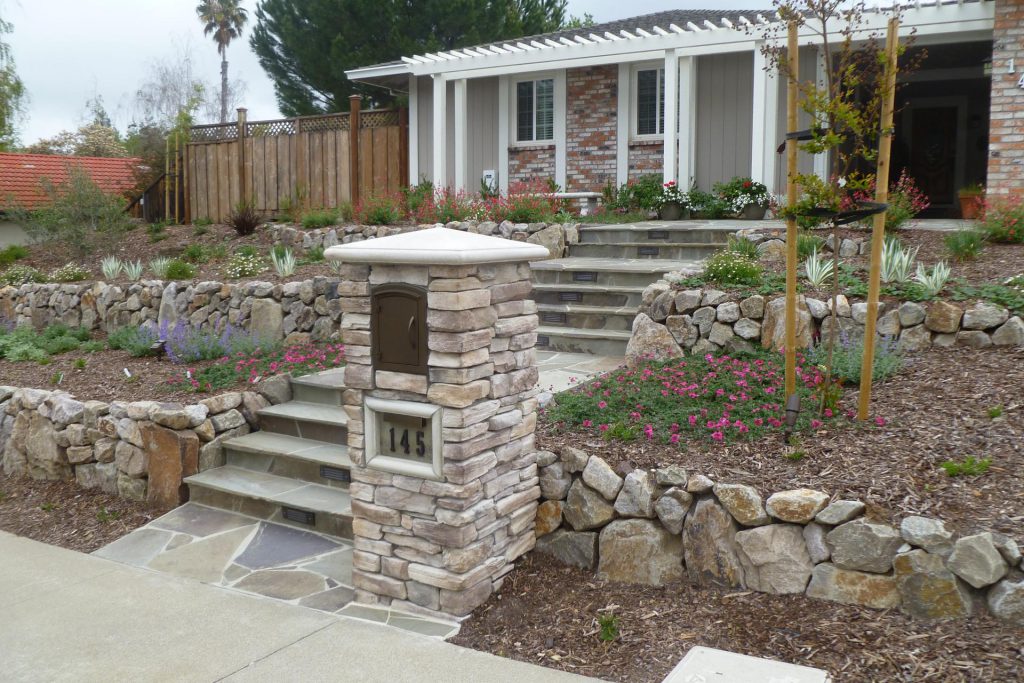
A residential landscape construction project can include hardscape features such as patios, walkways, driveways, retaining walls, steps, fences, and built-in seating. It may also include softscape elements such as trees, shrubs, turf, groundcovers, native plants, and edible gardens. Outdoor kitchens, fire pits, pergolas, pools, landscape lighting, irrigation, drainage, and water features can also be incorporated depending on the property’s layout, needs, and budget.
2. What Is The Difference Between Hardscape And Softscape?
“Hardscape” refers to the non-living, constructed elements of a landscape, including patios, walkways, retaining walls, steps, driveways, and other structural features. “Softscape” refers to living landscape elements such as trees, shrubs, lawns, groundcovers, flowers, and edible plants. Both should be planned together so the finished landscape is functional, attractive, and cohesive.
3. Why Are Grading And Drainage Important In Landscape Construction?
Grading and drainage help control how water moves across the property. Proper planning can reduce standing water, erosion, saturated planting areas, and drainage problems around hardscape and structures. Because grading influences where patios, walls, planting beds, and other features can be placed, it should typically be addressed early in the project.
4. Can Outdoor Kitchens, Fire Pits, And Pergolas Be Included In A Landscape Project?
Yes. Residential landscape projects can incorporate outdoor kitchens, fireplaces, fire pits, pergolas, gazebos, shade structures, dining spaces, entertainment areas, and other outdoor living features. These amenities should be coordinated with circulation, privacy, views, utilities, and the way homeowners intend to use the space.
5. When Should Irrigation And Landscape Lighting Be Installed?
Irrigation lines, electrical conduit, drainage components, and other utility systems should generally be planned before finished hardscape and planting are installed. Coordinating them early can help avoid digging through completed patios, walkways, or planting beds later and can make future maintenance easier.
6. Can A Residential Landscape Construction Project Be Completed In Phases?
Yes. A landscape can be completed in phases, but creating an overall plan before construction begins helps ensure each phase supports the next. Grading, drainage, hardscape placement, utilities, planting areas, and outdoor amenities can be mapped out in advance so later improvements do not require unnecessary demolition or rework.
7. Should I Hire A Professional For Residential Landscape Construction?
Professional help is especially valuable when a project involves retaining walls, grading, drainage, electrical work, major hardscape construction, or complex utility systems. Smaller projects such as simple planting beds, mulch installation, or minor edging may be manageable for some homeowners, but structural and technical work generally requires greater expertise and careful planning.
Start Your Landscape Construction Project With A Proven Local Team
A successful landscape construction project starts with careful planning and skilled execution. Poor drainage, improper grading, disconnected hardscape elements, irrigation issues, and rushed construction can create costly problems later. Vince’s Landscaping takes a complete approach to landscape construction, coordinating every element so your outdoor space is functional, cohesive, and built to last.
Since 1982, our family-owned team has helped East Bay homeowners transform outdated and underused yards through professional landscape construction. From patios, walkways, retaining walls, and planting areas to irrigation, lighting, outdoor living spaces, and complete backyard transformations, our experienced crews manage each project from start to finish with careful planning and clear communication.
If you’re ready to invest in a professionally built landscape that improves how you use and enjoy your property, Vince’s Landscaping can help. Schedule a consultation and discover what experienced landscape construction can do for your home.
Disclaimer
The materials available on this website are provided for general informational and educational purposes only. They are not intended to serve as professional design, construction, engineering, architectural, legal, or other specialized advice for any specific property or project.
Every landscape project is different, and conditions such as grading, drainage, soil, irrigation, existing structures, local codes, permitting requirements, and site access can affect the appropriate design and construction approach. You should consult with a qualified landscape professional, contractor, landscape architect, engineer, or other appropriate professional before making decisions based on information provided on this website.
Do not act or refrain from acting solely based on the content of this site. Information may change over time and may not reflect current building codes, regulations, industry standards, product specifications, or site-specific requirements. Vince’s Landscaping disclaims liability for actions taken or not taken based on the information contained on this website to the fullest extent permitted by law.
Recent Comments