
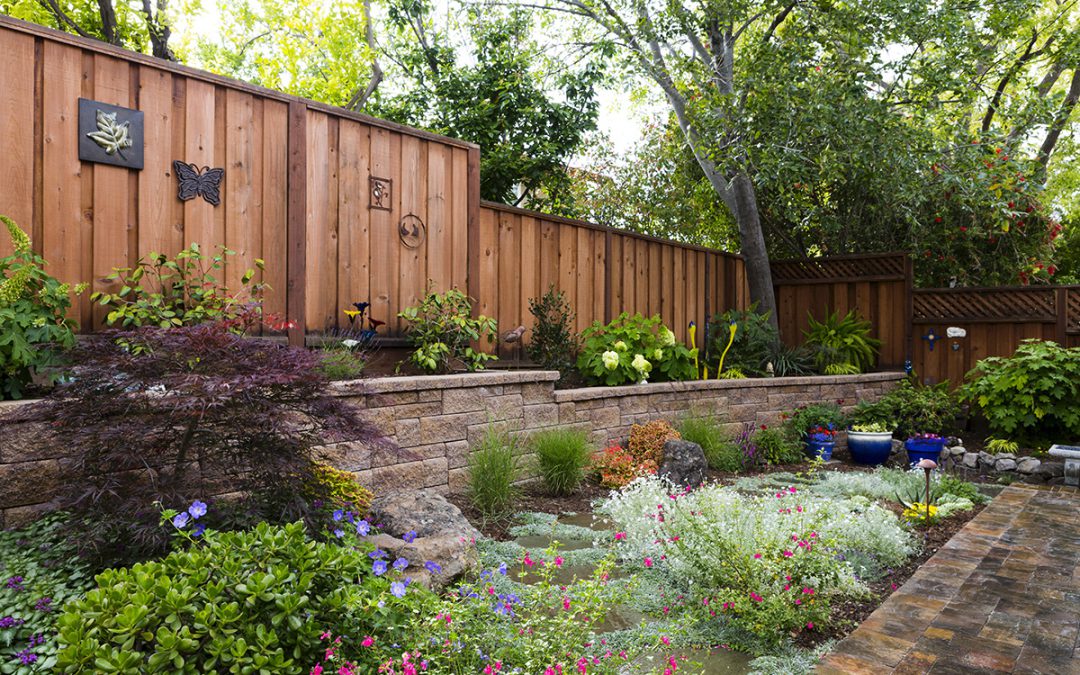
A full backyard renovation is much more than planting a few shrubs, spreading mulch, or installing a new lawn. When homeowners decide to completely transform an outdoor space, landscape construction becomes the process that turns the design into a functional, durable, and finished backyard.
Landscape construction can involve nearly every physical element of an outdoor property. Depending on the project, it may include grading and drainage, demolition, soil preparation, retaining walls, patios, walkways, outdoor kitchens, fire features, irrigation, lighting, fencing, planting, turf, water management, and other improvements. Some projects may also incorporate pools, spas, pergolas, decks, or custom structures.
The exact scope depends on the existing property and the homeowner’s goals. One backyard might need extensive grading and drainage before anything else can happen. Another may already have good soil and drainage but require a new patio, planting beds, lighting, and outdoor entertaining area. A heavily renovated property could involve removing nearly everything and rebuilding the backyard from the ground up.
This is why landscape construction should be viewed as a coordinated construction process rather than a collection of unrelated landscaping tasks.
A successful backyard renovation starts with understanding how each component interacts with the others. Drainage needs to be addressed before hardscape is installed. Utility locations need to be understood before excavation. Irrigation should be planned around the final planting design. Lighting conduits may need to be installed before paving or walls are completed. Soil preparation needs to happen before planting. And the finished landscape needs to work with the home’s architecture, property grading, access, maintenance requirements, and the way the family intends to use the space.
For homeowners planning a major backyard renovation, understanding what landscape construction includes can make budgeting, planning, and decision-making much easier. It also helps clarify why a professionally managed project can involve considerably more work than what is visible after completion.
This guide explains the major components of landscape construction, how they fit together, what homeowners should consider before construction begins, and what to expect throughout a full backyard renovation.
Key Takeaways
- Landscape construction is the physical implementation of a backyard design, not simply planting and lawn care.
- Site preparation and demolition often come first when an existing backyard needs to be cleared or reconfigured.
- Grading and drainage are foundational components because water must be managed before many other improvements are installed.
- Hardscape construction can include patios, walkways, retaining walls, steps, outdoor kitchens, fire features, and other structures.
- Irrigation systems help deliver water efficiently to lawns, planting beds, trees, and other vegetation.
- Landscape lighting can improve nighttime usability, visibility, and the appearance of outdoor spaces.
- Plant installation includes selecting, preparing, installing, and establishing trees, shrubs, perennials, ground covers, and other vegetation.
- Soil preparation matters because even attractive plants can struggle if the soil is compacted, poorly drained, or otherwise unsuitable.
- Outdoor living features can turn a backyard into an extension of the home.
- Drainage, irrigation, lighting, and utilities should be coordinated early, not treated as last-minute additions.
- A full renovation should be planned as one integrated system so individual improvements work together.
- Maintenance should influence the design from the beginning, especially when homeowners want a beautiful backyard that remains manageable over time.
What Is Landscape Construction?
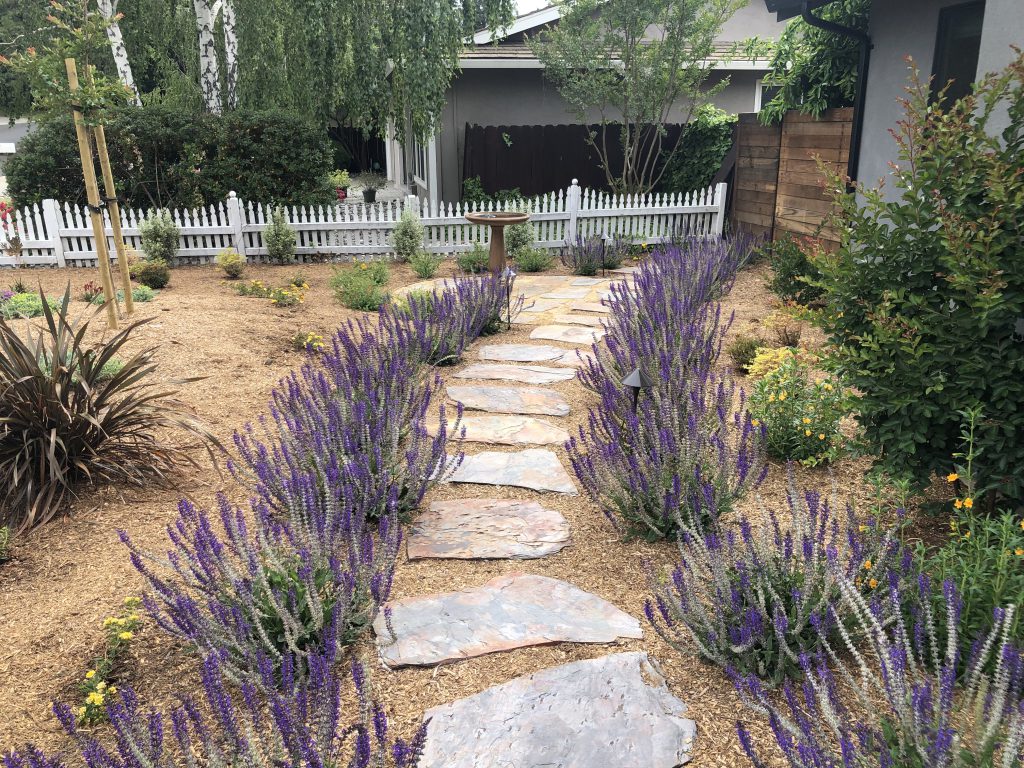
Landscape construction is the construction side of landscaping. It involves installing and building the physical elements that make up an outdoor environment. Traditional landscaping may focus heavily on planting, pruning, lawn care, and ongoing maintenance. Landscape construction, by contrast, focuses on creating or changing the landscape itself.
A landscape construction project might involve:
- Demolition
- Excavation
- Grading
- Drainage installation
- Soil preparation
- Retaining walls
- Patios
- Walkways
- Steps
- Pavers
- Concrete
- Outdoor kitchens
- Fire pits
- Water features
- Fences
- Gates
- Irrigation
- Landscape lighting
- Planting
- Turf installation
- Pergolas
- Garden structures
- Outdoor seating areas
A full backyard renovation may involve several of these categories at once.
Why Landscape Construction Requires Coordination
The different elements of a backyard renovation are connected. For example, suppose a homeowner wants a new patio, planting beds, landscape lighting, and irrigation. It would be inefficient to install the patio completely and then discover that irrigation lines need to cross beneath it. Similarly, installing plants before correcting drainage can result in poor plant health and unnecessary rework.
Good landscape construction therefore follows a logical sequence. The project team considers what needs to happen underground, what needs to be built above ground, and what should be installed at the end.
What Happens During the Planning and Design Stage?
Before construction begins, the backyard needs to be evaluated and the intended improvements defined.
Evaluating the Existing Property
The first step is understanding what is already there.
This may include evaluating:
- Existing structures
- Trees
- Soil
- Drainage
- Slopes
- Property boundaries
- Existing irrigation
- Electrical systems
- Outdoor plumbing
- Fences
- Patios
- Walkways
- Lawn areas
- Planting beds
- Access points
The condition of these elements can influence both the design and the construction budget.
Developing a Functional Layout
A backyard should be designed around how people will actually use it.
A homeowner may want:
- A dining area
- A lounge area
- A play space
- A garden
- A pool area
- An outdoor kitchen
- A fire feature
- A lawn
- Privacy screening
- A quiet retreat
These uses should be arranged logically. For example, an outdoor dining area may work best near the kitchen or house, while a garden might be positioned farther away. A children’s play area may need clear sightlines from the house. A fire feature might be better positioned away from certain structures and vegetation.
Establishing a Construction Scope
Once the design direction is established, the project can be broken into construction categories. This makes it easier to develop a realistic budget and schedule. A detailed scope may specify the proposed hardscape, drainage, irrigation, lighting, planting, structures, finishes, and other improvements.
Does Demolition Count As Landscape Construction?
Yes. For many backyard renovations, demolition and removal are among the first construction activities.
Removing Existing Hardscape
An outdated patio, cracked concrete, damaged walkway, old retaining wall, or other structure may need to be removed.
Demolition may involve:
- Breaking concrete
- Removing pavers
- Dismantling structures
- Removing old edging
- Removing damaged walls
- Excavating unwanted materials
The removed material then needs to be loaded, hauled away, recycled, or disposed of appropriately.
Removing Existing Landscaping
Some renovations require removal of:
- Overgrown shrubs
- Unwanted trees
- Existing turf
- Invasive plants
- Dead vegetation
- Old planting beds
Not everything should necessarily be removed. Mature trees or healthy plants may be worth preserving and incorporating into the new design.
Protecting What Stays
Demolition must also account for elements that are staying. Existing trees, utility lines, fences, structures, and portions of the home may need protection during excavation and construction. Careless demolition can create damage that was never part of the original project.
Why Are Grading and Drainage So Important?
Grading and drainage are among the most important—and often least visible—parts of a backyard renovation.
Grading
Grading shapes the land, so water flows where it is intended to go.
Poor grading can contribute to:
- Standing water
- Muddy areas
- Soil erosion
- Water against structures
- Plant health problems
- Damaged hardscape
- Uneven surfaces
A landscape construction team may need to remove soil, bring in soil, reshape slopes, or otherwise modify the site.
Drainage Systems
Depending on the property, drainage improvements may include:
- Surface drains
- Channel drains
- Catch basins
- Drainage pipes
- Dry wells
- Gravel drainage zones
- Swales
- Downspout connections
- Grading adjustments
The correct solution depends on the site’s conditions.
Why Drainage Should Come First
Imagine installing an expensive patio and then discovering that water consistently collects next to it. Correcting the problem afterward could require removing part of the new hardscape. Addressing water management during the site-preparation stage is usually far more efficient.
What Does Hardscape Construction Include?
Hardscape refers to the nonliving structural elements of a landscape. For many backyard renovations, hardscape makes up a substantial portion of the construction work.
Patios
A new patio can create a dedicated area for:
- Outdoor dining
- Lounge furniture
- Grilling
- Entertaining
- Fire features
- Outdoor kitchens
Patios can be constructed from different materials, including concrete, pavers, natural stone, and other hardscape products. The appropriate choice depends on appearance, budget, maintenance, durability, and the overall design.
Walkways
Walkways connect different areas of the property. A good walkway should be comfortable to use and appropriately scaled for the space.
It may connect:
- The house to a patio
- The patio to a garden
- The driveway to a side gate
- The pool area to an outdoor shower
- Different outdoor living zones
Walkways also contribute to the visual organization of the backyard.
Steps
Properties with slopes may require landscape steps. Steps need to be designed carefully for safety, comfort, drainage, and integration with adjacent hardscape.
Retaining Walls
Retaining walls can serve both structural and visual purposes. They may help manage elevation changes, create planting terraces, define spaces, or provide seating. Depending on their size, location, materials, and purpose, retaining walls may involve significant structural considerations.
What Is Included in Outdoor Living Construction?
Modern backyard renovations often focus heavily on creating outdoor rooms.
Outdoor Kitchens
An outdoor kitchen might include:
- Countertops
- Cabinets
- Grill areas
- Refrigeration
- Sinks
- Storage
- Prep surfaces
The infrastructure needs to be planned early because utilities may need to be routed before surrounding hardscape is completed.
Fire Features
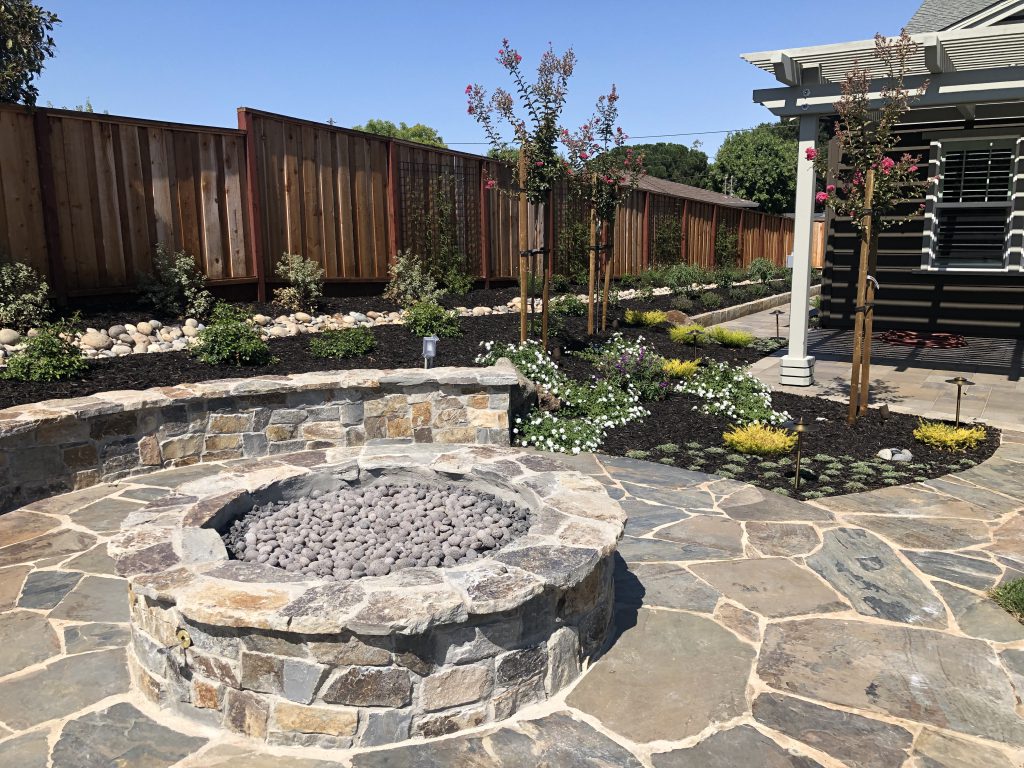
Fire pits and fireplaces can become focal points. A fire feature may be integrated into a patio, surrounded by seating, or positioned as part of a dedicated outdoor lounge. Safety and appropriate installation requirements should be considered during planning.
Pergolas and Shade Structures
Pergolas and similar structures can provide shade and help define an outdoor room. They can also support lighting, fans, or other outdoor features when properly designed.
Seating Areas
Built-in benches, retaining-wall seating, or dedicated lounge zones can make the backyard more functional without relying entirely on movable furniture.
What Does Irrigation Construction Include?
Irrigation is another important component of many landscape construction projects.
Irrigation Design
A properly planned system distributes water according to the needs of different plant areas. Lawns, trees, shrubs, and garden beds may have different watering requirements.
Installing Irrigation Lines
Installation can involve:
- Main water connections
- Irrigation lines
- Valves
- Sprinklers
- Drip irrigation
- Controllers
- Backflow protection where applicable
The system should be coordinated with the planting plan.
Smart Irrigation
Modern irrigation controllers can offer scheduling and water-management features. These systems can make it easier to adjust watering based on seasons and landscape needs. The objective is not simply to use more water. It is to deliver the appropriate amount to the appropriate areas.
What Does Landscape Lighting Include?
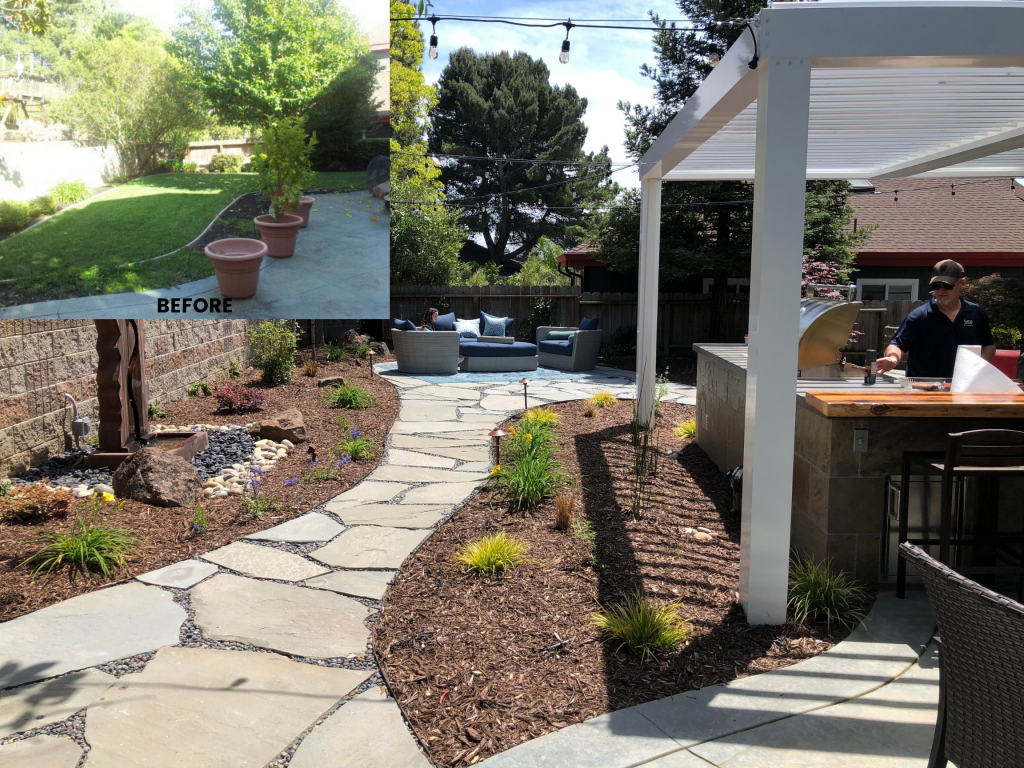
Landscape lighting can dramatically change how a backyard looks and functions after sunset.
Path Lighting
Path lights can improve visibility along walkways and transitions between outdoor spaces.
Accent Lighting
Accent lighting can highlight:
- Trees
- Architectural features
- Retaining walls
- Garden areas
- Sculptural elements
- Water features
Patio and Entertainment Lighting
Lighting around patios and outdoor kitchens can make these areas more usable after dark.
Lighting Infrastructure
Lighting construction may require conduit, wiring, transformers, fixtures, controls, and other components. Because some wiring may need to be installed before the hardscape is completed, lighting should be planned early rather than added at the very end.
What Does Planting Construction Include?
Plants may be the most visible part of the finished landscape, but successful planting requires more than digging holes and placing plants in the ground.
Soil Preparation
Construction equipment can compact soil significantly.
Before planting, the soil may need to be:
- Loosened
- Amended
- Graded
- Improved for drainage
- Replaced in certain areas
The goal is to provide plants with an appropriate growing environment.
Trees
Trees can provide shade, privacy, structure, and visual interest. Their mature size should be considered before installation. Planting a tree without considering its eventual canopy or root development can create problems later.
Shrubs and Perennials
Shrubs and perennials can provide seasonal color, screening, texture, and structure. Plant selection should account for sunlight, water availability, soil, mature size, and maintenance needs.
Ground Covers
Ground covers can help reduce exposed soil and provide a finished appearance. They may be useful in areas where turf is impractical or where a lower-maintenance planting approach is desired.
Does a Full Backyard Renovation Include Turf?
It can.
Traditional Lawn
Traditional turf may provide a soft surface for recreation and relaxation. Lawn areas require ongoing mowing, watering, edging, and other maintenance.
Artificial Turf
Some homeowners choose artificial turf to reduce routine watering and mowing. The installation process can involve excavation, base preparation, grading, drainage considerations, and careful installation. The decision should be based on intended use, appearance, maintenance expectations, and budget.
Alternative Ground Covers
A backyard does not have to be dominated by lawn. Other options may include planting beds, ground covers, decomposed granite, mulch, gravel, or other landscape materials.
What Role Does Fencing and Privacy Construction Play?
Privacy is often a major reason homeowners renovate their backyards.
Fences
New or replacement fencing can define property boundaries and improve privacy. The material and design should complement the home and landscape.
Privacy Screens
In some situations, planting can provide screening without creating a completely enclosed feeling. Trees, shrubs, trellises, and other landscape elements can be combined to create layers of privacy.
Gates
Gates can provide controlled access between the yard and surrounding areas. Their location should be coordinated with walkways, fencing, and overall circulation.
How Are Utilities Coordinated During Landscape Construction?
A full backyard renovation may require several utility considerations.
Electrical
Electrical infrastructure may support:
- Landscape lighting
- Outdoor kitchens
- Pumps
- Water features
- Fans
- Heating equipment
- Entertainment systems
Electrical work should be planned before surfaces are permanently installed.
Plumbing
Plumbing may be needed for:
- Outdoor sinks
- Kitchens
- Showers
- Water features
- Irrigation
- Other outdoor fixtures
Routing these utilities after hardscape is installed can be significantly more disruptive.
Utility Location
Before excavation, existing underground utilities should be identified and appropriately considered. Excavation is one of the stages where careful planning can prevent serious damage and unexpected costs.
How Does Landscape Construction Handle Water Features?
Water features can add visual and sensory interest to a backyard.
Examples include:
- Fountains
- Bubblers
- Decorative streams
- Ponds
- Water walls
- Pool-related features
These installations can require pumps, plumbing, electrical connections, waterproofing, structural support, and ongoing maintenance. A water feature should therefore be treated as a construction component rather than simply a decorative object.
Can A Pool Be Part Of A Backyard Renovation?
Yes, although a pool is a major construction component and can significantly affect the scope of the renovation.
Pool projects can involve:
- Excavation
- Structural construction
- Plumbing
- Electrical work
- Equipment installation
- Decking
- Drainage
- Safety features
- Landscaping
If a pool is part of the overall backyard vision, it should be coordinated with the rest of the landscape from the beginning. The surrounding planting, patio, lighting, drainage, fencing, and outdoor living areas should all be designed around the pool rather than added as disconnected improvements later.
What Is the Typical Construction Sequence?
Although every project is different, a full backyard renovation often follows a sequence similar to this:
- Site Evaluation and Planning: The existing conditions and homeowner goals are reviewed.
- Design Development: The layout, materials, planting, drainage, lighting, and outdoor features are selected.
- Demolition: Unwanted hardscape, vegetation, structures, and other existing elements are removed.
- Excavation and Grading: The site is reshaped and prepared for the new design.
- Underground Infrastructure: Drainage, irrigation, electrical conduits, plumbing, and other underground systems are installed as required.
- Structural and Hardscape Construction: Patios, walls, walkways, steps, outdoor kitchens, structures, and other hardscape elements are constructed.
- Soil Preparation: Planting areas are prepared for vegetation.
- Irrigation and Lighting Completion: Systems are finalized and tested.
- Plant Installation: Trees, shrubs, perennials, ground covers, and other plants are installed.
- Turf and Final Surfaces: Lawn or alternative ground surfaces are installed.
- Finishing Details: Mulch, edging, furniture areas, decorative features, and other finishing elements are completed.
- Cleanup and Walkthrough: The property is cleaned and reviewed with the homeowner. This sequence can change depending on the design, weather, site conditions, and construction requirements.
How Much Does a Full Backyard Renovation Cost?
There is no single price for a full backyard renovation because the scope can vary dramatically. A simple renovation involving planting, irrigation, and modest hardscape is fundamentally different from a project involving extensive grading, drainage, retaining walls, a large patio, an outdoor kitchen, lighting, fencing, and a pool.
What Drives Cost?
Major cost factors include:
- Size of the property
- Existing site conditions
- Amount of demolition
- Grading requirements
- Drainage work
- Hardscape materials
- Retaining walls
- Plant quantities
- Irrigation
- Lighting
- Outdoor structures
- Outdoor kitchens
- Water features
- Pool construction
- Fencing
- Access to the backyard
- Material availability
- Labor
- Design complexity
Why Site Access Matters
A backyard with easy equipment access can be easier and less expensive to construct than one located behind a narrow side yard. Limited access may require smaller equipment, additional labor, or different material-delivery methods. This is one reason contractors should evaluate the property before providing a detailed project estimate.
What Problems Can Occur During Backyard Construction?
Even carefully planned projects can encounter unexpected conditions.
Poor Existing Drainage
An existing drainage problem may become obvious only after excavation. The contractor may need to modify the original plan to manage water effectively.
Compacted or Poor Soil
Construction can expose soil that is unsuitable for planting or structural work. Additional soil preparation may be necessary.
Hidden Infrastructure
Older properties may contain unexpected underground systems or previous construction materials. Careful excavation and planning can help reduce the risk of surprises.
Material Availability
Hardscape products, lighting fixtures, plants, and other materials may not always be immediately available. Good planning helps reduce the impact of supply issues.
How Does Maintenance Affect Landscape Construction?
A beautiful backyard is only successful if homeowners can realistically maintain it.
Low-Maintenance Design
Some homeowners prefer landscapes with:
- Reduced lawn area
- Drought-tolerant plants
- Automated irrigation
- Durable hardscape
- Native or climate-appropriate vegetation
- Minimal pruning requirements
High-Use Backyards
A backyard designed for children, pets, entertaining, or frequent outdoor dining may require more durable surfaces and planting choices.
Seasonal Maintenance
Even a low-maintenance landscape requires some ongoing care. Trees may need pruning, irrigation systems may require adjustments, planting beds may need maintenance, and hardscape should be periodically inspected. The best design is one that matches the homeowner’s willingness and ability to maintain it.
How Can Homeowners Prepare for Landscape Construction?
Preparation can make the renovation smoother.
Establish Your Priorities
Determine which improvements matter most.
For example:
Priority 1: Drainage and grading
Priority 2: Patio and outdoor dining
Priority 3: Privacy planting
Priority 4: Lighting
Priority 5: Decorative features
A priority list can help when the budget needs to be adjusted.
Set a Realistic Budget
Do not budget only for visible items.
Remember to account for:
- Demolition
- Excavation
- Drainage
- Base preparation
- Utilities
- Labor
- Materials
- Planting
- Irrigation
- Lighting
- Cleanup
Think About Long-Term Use
Ask yourself:
- How often will I entertain?
- Do I need a lawn?
- Do I want a garden?
- How much maintenance am I willing to perform?
- Do I need privacy?
- Will children or pets use the space?
- Do I want outdoor cooking?
- Do I need shade?
- How important is nighttime use?
These questions can influence the design significantly.
What Should Homeowners Look For In A Landscape Construction Contractor?
Choosing the right contractor is important for a full renovation because the project can involve many different types of work.
Relevant Experience
Look for experience with projects similar to yours. A contractor who primarily performs basic lawn maintenance may not have the same experience needed for complex hardscape, drainage, outdoor structures, and utility coordination.
Detailed Scope of Work
The proposal should clearly describe what is included. Look for details regarding materials, quantities, construction methods, planting, irrigation, lighting, demolition, and cleanup.
Communication
A major backyard renovation can last long enough that communication becomes important. The contractor should explain scheduling, decisions, changes, and unexpected conditions clearly.
Portfolio
Review completed projects. Pay attention not only to the finished appearance but also to the types of projects represented. If your project involves extensive grading and retaining walls, look for examples demonstrating experience with those features.
Why Is A Full Backyard Renovation Better Planned As One Project?
It can be tempting to renovate one section at a time. Sometimes that is appropriate, especially when budget constraints require phasing. There are advantages to planning the entire backyard as one system.
Better Infrastructure Coordination
Drainage, irrigation, lighting, utilities, and hardscape can be planned together.
Consistent Design
Materials and plantings can complement one another rather than appearing pieced together.
Reduced Rework
Building the entire system at once can reduce the need to remove completed work to accommodate later additions.
Better Long-Term Planning
Even if certain features are not built immediately, their future locations can be considered during the initial design. For example, if an outdoor kitchen is planned for a future phase, appropriate utility pathways can potentially be incorporated into the current project when practical.
How Does Landscape Construction Improve Backyard Functionality?
A successful renovation should solve problems, not merely make the backyard look different.
Better Circulation
Walkways and defined outdoor zones make the property easier to navigate.
More Usable Space
A well-designed patio or outdoor room can transform previously underused portions of the yard.
Improved Privacy
Strategic planting and fencing can make the backyard feel more comfortable and secluded.
Better Drainage
Correct grading and drainage can make outdoor areas more usable after rainfall and reduce water-related problems.
Improved Nighttime Use
Landscape lighting can extend the practical use of outdoor spaces after sunset.
Conclusion
Landscape construction is the part of a backyard renovation that turns a design concept into a physical, usable outdoor environment. It can include far more than planting and lawn installation. Depending on the scope, a full backyard renovation may involve demolition, excavation, grading, drainage, retaining walls, patios, walkways, outdoor kitchens, fire features, irrigation, lighting, fencing, planting, turf, structures, and utility coordination.
The most successful projects begin with planning.
Before construction starts, homeowners should understand the existing site, establish priorities, develop a realistic budget, and determine how the backyard will actually be used. Drainage, grading, utilities, irrigation, and lighting should be considered early because many of these systems need to be installed before finished surfaces and plants are in place.
Construction should also follow a logical sequence. Demolition and site preparation generally come before underground infrastructure. Grading and structural work need to be completed before many finished elements can be installed. Hardscape and outdoor structures need to be coordinated with utilities. Soil preparation should happen before planting, and final landscaping details should be completed after major construction activity has ended.
Just as important, the finished landscape should be designed for real life. A backyard that looks impressive in a photograph but requires more maintenance than the homeowner wants to perform may not be a successful long-term solution. Likewise, an entertainment-focused yard needs durable surfaces and practical circulation, while a garden-oriented property may require different planting, irrigation, and soil strategies.
A full backyard renovation is ultimately an investment in how a property functions. When landscape construction is carefully planned and professionally coordinated, the result can provide a more comfortable, attractive, and useful outdoor environment for years to come.
Frequently Asked Questions
1. What Is Included In Landscape Construction?
Landscape construction can include the physical installation and construction of outdoor improvements such as patios, walkways, retaining walls, drainage systems, irrigation, landscape lighting, planting, turf, outdoor kitchens, fire features, fencing, pergolas, water features, and other structures. The exact scope depends on the property’s existing conditions and the homeowner’s renovation plans.
2. Is Landscape Construction The Same As Landscaping?
Not exactly. Landscaping is a broad term that can include design, planting, lawn care, maintenance, and construction. Landscape construction specifically focuses on building and installing the physical elements of a landscape, including hardscape, drainage, irrigation, lighting, structures, and planting.
3. What Comes First In A Backyard Renovation?
Planning and site evaluation come first. Once the design and construction scope are established, demolition, excavation, grading, and underground infrastructure typically precede hardshipscape and other finished improvements. The exact sequence depends on the project.
4. Does A Backyard Renovation Include Drainage?
It can, and drainage should be considered an important part of many full backyard renovations. If the property has standing water, poor grading, erosion, or drainage toward structures, those problems should be addressed before installing expensive finished landscape features.
5. Can Landscape Construction Include An Outdoor Kitchen?
Yes. An outdoor kitchen can be part of a larger landscape construction project. Depending on its design, it may involve cabinetry, countertops, appliances, plumbing, electrical systems, gas connections, lighting, and a supporting patio or structure.
6. Does Landscape Construction Include Irrigation?
Yes. Irrigation installation can be included in landscape construction. Systems may use sprinklers, drip irrigation, valves, controllers, and other components designed to distribute water efficiently throughout the landscape.
7. How Long Does A Full Backyard Renovation Take?
The timeline varies substantially depending on the size and complexity of the project. A renovation involving only modest planting and hardscape can move faster than a project involving extensive demolition, grading, drainage, retaining walls, outdoor structures, utilities, and custom features. Weather, material availability, site conditions, and project scheduling can also affect the timeline.
Start Your Landscape Construction Project With A Proven Local Team
A successful landscape construction project starts with careful planning and skilled execution. Poor drainage, improper grading, disconnected hardscape elements, irrigation issues, and rushed construction can create costly problems later. Vince’s Landscaping takes a complete approach to landscape construction, coordinating every element so your outdoor space is functional, cohesive, and built to last.
Since 1982, our family-owned team has helped East Bay homeowners transform outdated and underused yards through professional landscape construction. From patios, walkways, retaining walls, and planting areas to irrigation, lighting, outdoor living spaces, and complete backyard transformations, our experienced crews manage each project from start to finish with careful planning and clear communication.
If you’re ready to invest in a professionally built landscape that improves how you use and enjoy your property, Vince’s Landscaping can help. Schedule a consultation and discover what experienced landscape construction can do for your home.
Disclaimer
The materials available on this website are provided for general informational and educational purposes only. They are not intended to serve as professional design, construction, engineering, architectural, legal, or other specialized advice for any specific property or project.
Every landscape project is different, and conditions such as grading, drainage, soil, irrigation, existing structures, local codes, permitting requirements, and site access can affect the appropriate design and construction approach. You should consult with a qualified landscape professional, contractor, landscape architect, engineer, or other appropriate professional before making decisions based on information provided on this website.
Do not act or refrain from acting solely based on the content of this site. Information may change over time and may not reflect current building codes, regulations, industry standards, product specifications, or site-specific requirements. Vince’s Landscaping disclaims liability for actions taken or not taken based on the information contained on this website to the fullest extent permitted by law.
Recent Comments