
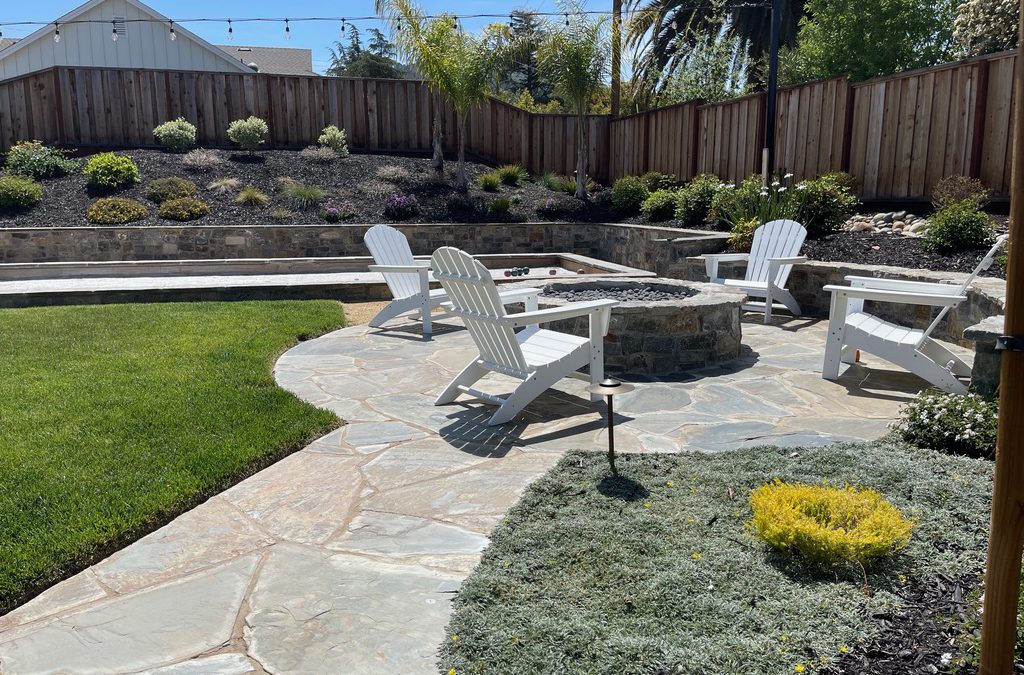
If you’re planning to transform your yard, one of the first questions you’re likely to ask is, how much does landscape construction cost in Contra Costa County? The answer depends on far more than the size of your backyard. Landscape construction can range from relatively simple improvements, such as new planting beds and irrigation, to major outdoor renovations involving patios, retaining walls, drainage systems, outdoor kitchens, grading, lighting, walkways, and complete yard transformations.
For homeowners in Contra Costa County, understanding the potential costs before construction begins can make the planning process much easier. A landscape project that appears straightforward at first can become considerably more expensive once excavation, site preparation, drainage, structural work, materials, labor, and specialized features are included. On the other hand, a carefully planned project can prioritize the improvements that matter most while keeping the overall investment under control.
Unlike routine landscape maintenance, landscape construction involves building or installing permanent outdoor improvements. Contractors may need to remove existing landscaping, reshape the property, prepare the soil, install drainage, construct hardscape features, build retaining walls, plant trees and shrubs, install irrigation, and create usable outdoor living areas.
The local property itself also has a major influence on cost. A relatively flat backyard with easy equipment access may be considerably less expensive to renovate than a sloped property requiring extensive grading or retaining walls. Existing concrete, poor drainage, difficult access, mature trees, and old irrigation systems can all affect the final price.
This guide explains the major factors that influence landscape construction costs in Contra Costa County, typical price ranges for common projects, where homeowners can expect to spend the most money, and how to build a realistic landscaping budget.
Key Takeaways
- Landscape construction costs in Contra Costa County vary significantly based on project size, materials, labor, site conditions, and design complexity.
- Smaller landscape improvements may cost several thousand dollars, while comprehensive backyard renovations can reach tens of thousands of dollars or more.
- Hardscaping, grading, retaining walls, drainage, outdoor kitchens, and other structural features can account for a substantial portion of the budget.
- Sloped yards generally require more preparation and structural work than flat properties.
- Existing concrete, trees, poor drainage, difficult access, and soil conditions can increase construction costs.
- Choosing durable materials and prioritizing the most important features can help homeowners control spending.
- A detailed scope of work is important when comparing landscape construction estimates.
- The cheapest estimate is not always the best value because material quality, installation methods, drainage, grading, and workmanship can affect long-term performance.
- A phased approach can make a large backyard renovation more manageable when the entire project cannot be completed at once.
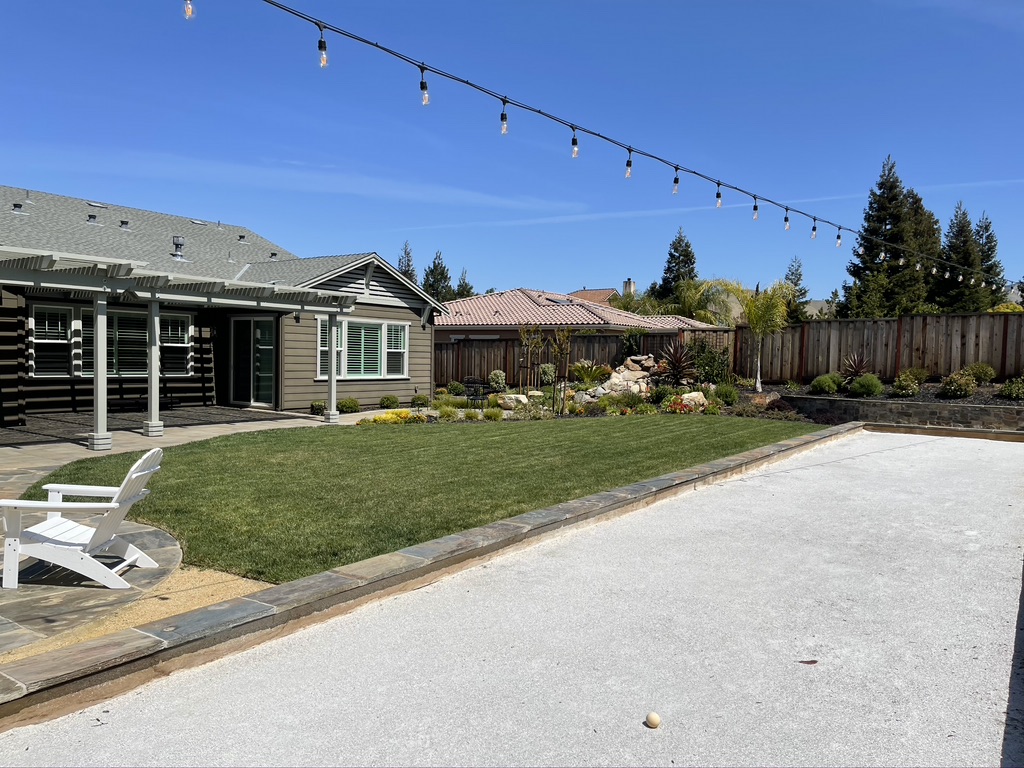
Understanding Landscape Construction Costs in Contra Costa County
Landscape construction is a broad category that includes many different types of outdoor improvements. Because every property and project is different, there is no single price that applies to every backyard.
A basic project might involve installing new plants, mulch, irrigation, and a small walkway. A larger project could include demolition, grading, drainage, concrete or paver patios, retaining walls, fences, landscape lighting, artificial turf, planting, and an outdoor kitchen. For budgeting purposes, homeowners should think about landscape construction in terms of project scope rather than simply square footage.
A useful general planning range is:
- Small landscape improvements: approximately $5,000-$15,000
- Moderate backyard renovations: approximately $15,000-$40,000
- Large landscape construction projects: approximately $40,000-$75,000+
- High-end comprehensive renovations: $75,000-$150,000+ depending on features and site conditions
These figures are broad planning ranges rather than guaranteed prices. Actual costs can fall below or above these ranges depending on the property and specifications. For example, a 1,000-square-foot backyard could cost more to renovate than a 2,000-square-foot backyard if the smaller property requires extensive retaining walls, demolition, drainage improvements, or difficult excavation.
Why Landscape Construction Prices Vary
Several variables influence the cost of landscape construction.
Size of the Property
A larger area generally requires more materials and labor. Size alone does not determine the price. A large but relatively flat lawn may be straightforward to renovate. A smaller hillside backyard may require significantly more excavation, grading, drainage, and structural work.
Site Accessibility
Contractors need to move soil, gravel, concrete, plants, pavers, equipment, and other materials into and out of the property. If a backyard has direct access from a driveway or street, construction may be more efficient. If workers must transport materials through a narrow side yard or through the house, labor requirements may increase.
Existing Conditions
Existing landscaping must often be removed before new construction begins.
The cost can increase when a property contains:
- Large concrete slabs
- Old retaining walls
- Mature trees
- Dense shrubs
- Buried debris
- Old irrigation systems
- Poor soil
- Excessive roots
- Drainage problems
- Uneven grades
- Deteriorated fences
Material Selection
Material choices can dramatically affect the project budget. A basic concrete patio may have a very different cost than premium natural stone or high-end porcelain pavers. Similarly, inexpensive landscape plants may cost considerably less than mature specimen trees.
Labor Requirements
Landscape construction is labor-intensive. Excavation, grading, hardscape installation, masonry, planting, irrigation, drainage, and finishing work all require skilled labor. Projects with multiple trades and complicated sequencing generally cost more than simple landscaping installations.
Typical Landscape Construction Cost by Project Type
Breaking the project into individual components can make it easier to understand where your money is going.
Landscape Design and Planning
A comprehensive landscape project usually begins with planning.
Depending on the project, planning may involve:
- Site measurements
- Concept development
- Plant selection
- Hardscape layouts
- Drainage planning
- Irrigation planning
- Lighting layouts
- Material selection
- Construction details
Simple projects may require limited planning, while extensive renovations can require much more detailed design work.
Landscape design costs can range from several hundred dollars for basic planning to several thousand dollars or more for detailed designs associated with larger construction projects. The more complicated the property and the more features included, the more important detailed planning becomes.
Landscape Demolition and Removal
Before installing new landscaping, existing features may need to be removed.
Demolition can include:
- Removing old patios
- Breaking up concrete
- Removing pavers
- Pulling out shrubs
- Removing old turf
- Taking down fencing
- Removing retaining walls
- Hauling away debris
A small amount of plant removal may add only modestly to a project. Removing large quantities of concrete or mature landscaping can substantially increase costs. Homeowners should make sure demolition and disposal are clearly included in the estimate.
Grading and excavation costs can vary widely depending on:
- Amount of soil moved
- Existing slope
- Soil type
- Equipment access
- Required drainage
- Export and disposal requirements
- New elevation requirements
A relatively simple yard may require only minor grading. A steep or uneven property may require extensive excavation and structural solutions.
Why Sloped Properties Cost More
Slopes often create additional construction challenges. A contractor may need to build retaining walls, install drainage, stabilize soil, create terraces, or move large quantities of earth. As a result, homeowners with sloped properties should generally expect grading and structural costs to represent a larger portion of the overall budget.
Hardscaping Costs
Hardscaping is often one of the largest components of a backyard renovation. Hardscape refers to nonliving construction elements such as patios, walkways, walls, steps, and other built features.
Patio Construction
Patios can be constructed from many materials, including:
- Concrete
- Stamped concrete
- Pavers
- Natural stone
- Porcelain pavers
- Brick
- Decorative aggregate
A basic patio may be relatively affordable, while premium materials and complicated layouts can significantly increase costs.
Factors affecting patio prices include:
- Patio size
- Material
- Site preparation
- Excavation
- Base preparation
- Drainage
- Borders
- Steps
- Curves and patterns
- Access
- Demolition of existing surfaces
Concrete Patios
Concrete is popular because it can provide a durable and relatively straightforward surface. Decorative options such as staining, stamping, borders, or specialty finishes increase the cost.
Paver Patios
Pavers can provide flexibility in design and allow homeowners to create patterns and borders. Proper excavation, base preparation, compaction, edge restraint, and installation are important for long-term performance.
Natural Stone
Natural stone can create a high-end appearance but typically costs more because of material pricing and installation requirements. The specific stone selected can make a substantial difference in the final price.
Walkways and Pathways
Walkways are another common landscape construction feature.
A walkway can connect:
- The driveway to the front door
- The patio to the garden
- The house to an outdoor kitchen
- Different levels of a backyard
- Seating areas to recreational spaces
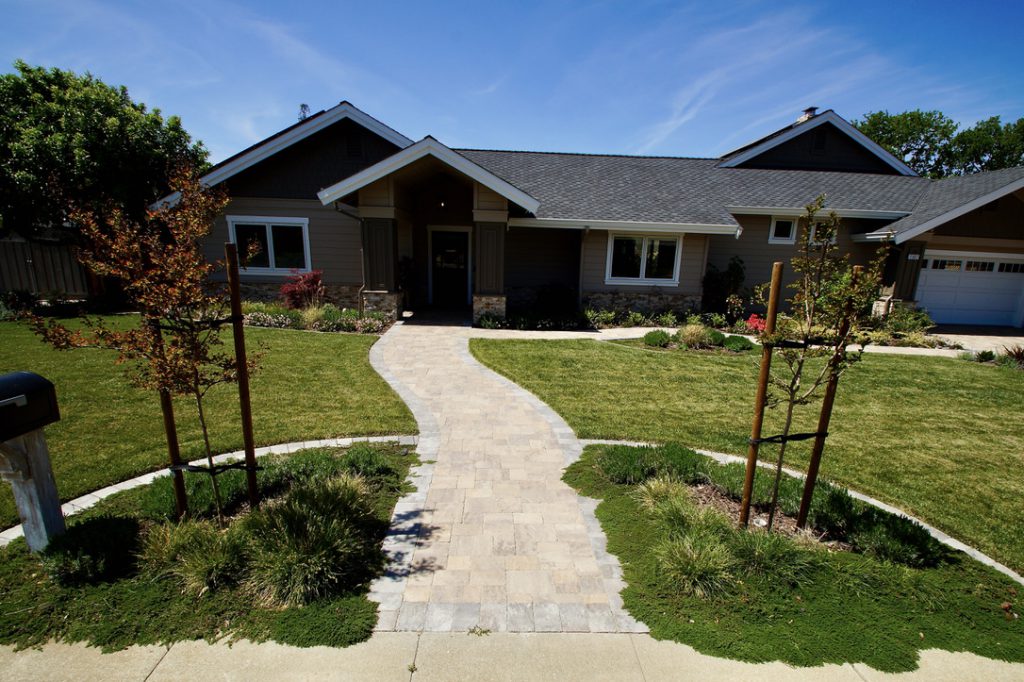
Costs depend on the length, width, material, and complexity. Straight paths on relatively flat ground tend to be easier to construct. Curved paths, stairs, slopes, and intricate patterns require more labor.
They can:
- Control slopes
- Create level planting areas
- Support terraces
- Prevent soil movement
- Define outdoor spaces
- Create raised garden beds
The cost depends heavily on:
- Wall height
- Wall length
- Material
- Foundation requirements
- Drainage
- Soil pressure
- Excavation
- Site access
- Engineering requirements when applicable
Retaining walls can become one of the most expensive parts of a landscape renovation, particularly when they are tall, extensive, or located on steep terrain.
Drainage and Water Management
Drainage is an important part of landscape construction in any backyard where water collects, flows toward structures, or creates erosion problems.
A landscape contractor may use:
- French drains
- Catch basins
- Channel drains
- Grading
- Swales
- Permeable surfaces
- Drainage pipes
- Dry wells where appropriate
- Downspout management
The cost depends on how much water needs to be redirected and how difficult it is to install the system.
Why Drainage Should Not Be an Afterthought
A beautiful patio or planting area can become a problem if water is allowed to collect underneath or around it.
Poor drainage can contribute to:
- Soil erosion
- Muddy areas
- Standing water
- Plant damage
- Surface deterioration
- Foundation concerns
- Slipping hazards
Addressing drainage during the construction phase is often more practical than trying to correct it after the project is completed.
Irrigation System Costs
A new landscape often requires an irrigation system.
Irrigation installation can include:
- Mainline connections
- Irrigation valves
- Sprinkler heads
- Drip irrigation
- Controllers
- Backflow protection
- Underground piping
- Zone installation
The cost depends on the number of irrigation zones, planting areas, water requirements, controller technology, and existing infrastructure.
Drip Irrigation
Drip irrigation can be useful for planting beds, shrubs, trees, and water-conscious landscapes. It delivers water closer to plant roots and can help reduce unnecessary overspray.
Sprinkler Systems
Sprinklers may be more appropriate for lawns and larger open planting areas. A properly designed system should provide suitable coverage without unnecessarily watering harsh areas.
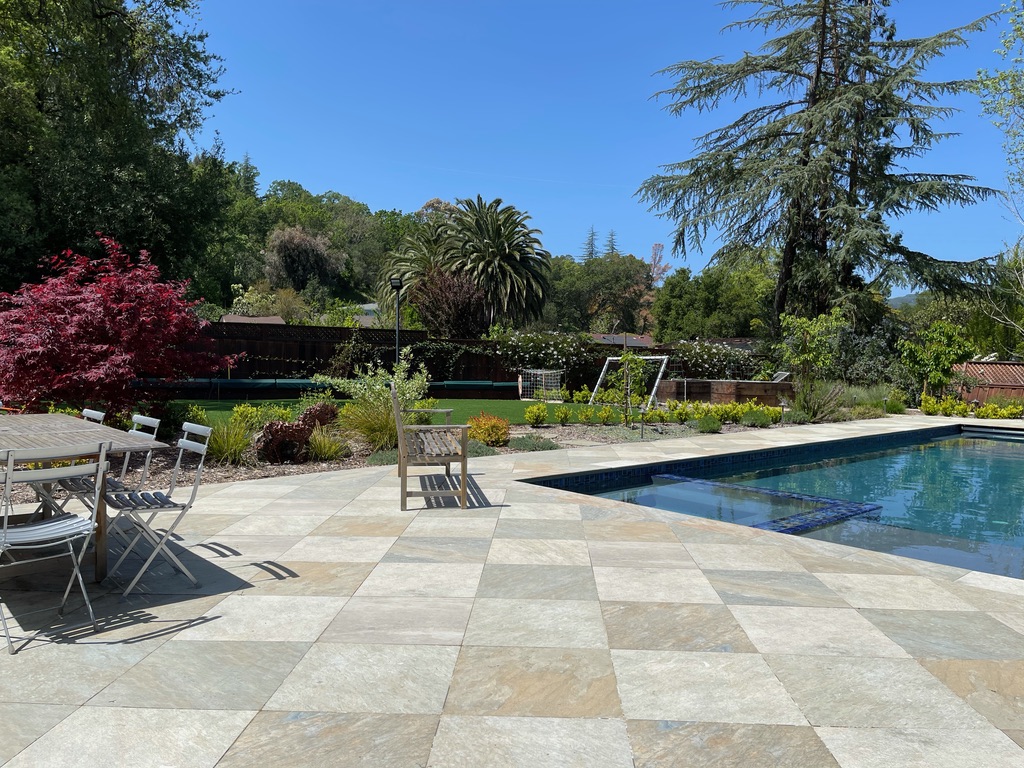
Planting and Softscape Costs
“Softscape” refers to the living components of a landscape.
This can include:
- Trees
- Shrubs
- Perennials
- Groundcovers
- Ornamental grasses
- Flowers
- Hedges
- Lawn
- Native plants
Planting costs vary widely based on plant size, species, quantity, soil preparation, and installation requirements.
Mature Trees vs. Young Trees
One of the biggest cost differences comes from plant size. A young tree may be relatively affordable. A mature specimen tree can cost considerably more to purchase, transport, and install. Larger plants can create an immediately finished appearance. Homeowners need to balance immediate visual impact with long-term growth and maintenance.
Lawn Installation
New lawns can be installed using seed, sod, or alternative ground covers. Sod generally creates an immediately finished appearance but can cost more upfront than seed.
Artificial turf is another option for homeowners who want a consistently green appearance with less routine mowing. The best choice depends on the property’s use, irrigation availability, maintenance preferences, appearance goals, and budget.
Outdoor Lighting Costs
Landscape lighting can improve the appearance and usability of an outdoor space after sunset.
Lighting can be used for:
- Walkways
- Steps
- Patios
- Trees
- Garden beds
- Walls
- Outdoor entertaining areas
- Architectural features
A basic lighting system may involve only a few fixtures. Larger installations can include numerous fixtures, transformers, wiring, controls, and specialty lighting. LED fixtures are commonly used because of their efficiency and long service life.
Outdoor Kitchen Costs
Outdoor kitchens can significantly increase the total cost of a landscape renovation.
A basic outdoor cooking area may include:
- Counter space
- Grill
- Storage
- Small refrigerator
- Sink
More elaborate installations may include:
- Built-in appliances
- Extensive countertops
- Cabinets
- Bar seating
- Plumbing
- Electrical connections
- Gas connections
- Shade structures
Depending on the size and equipment, outdoor kitchens can range from several thousand dollars to tens of thousands of dollars.
Pergolas, Shade Structures, and Covered Areas
Shade structures are increasingly popular in backyard renovations.
Options include:
- Pergolas
- Gazebos
- Patio covers
- Shade sails
- Freestanding structures
The price depends on size, material, design, roofing, electrical features, and construction requirements. A simple pergola may be considerably less expensive than a fully covered outdoor room with electrical, lighting, fans, and finished roofing.
Fencing and Privacy Improvements
Fencing is another common part of landscape construction.
Homeowners may install fencing for:
- Privacy
- Security
- Pet containment
- Pool areas
- Property definition
- Visual separation
Costs depend on material, height, length, gates, terrain, and installation complexity. Wood fencing is common, but homeowners may also consider metal, composite, vinyl, or masonry depending on their goals.
Factors That Can Increase Landscape Construction Costs
Several unexpected conditions can increase the original budget.
Difficult Soil
Hard, rocky, compacted, or unstable soil can make excavation more difficult. Contractors may need additional equipment, labor, or soil amendments.
Limited Equipment Access
If heavy equipment cannot reach the backyard, materials and soil may need to be moved manually or with smaller equipment. This can increase labor hours.
Existing Concrete
Removing old concrete is more labor-intensive than removing grass or small plants. The material also needs to be broken apart, loaded, transported, and disposed of.
Mature Tree Roots
Large tree roots can complicate excavation and hardscape installation. Protecting existing trees may require changes to the original design.
Drainage Problems
A property with serious drainage issues may require additional excavation, pipe installation, catch basins, grading, or other water-management solutions.
Slope
Sloped properties frequently require more structural work. Retaining walls, stairs, terraces, erosion control, and drainage can add substantially to the budget.
How to Build a Realistic Landscape Construction Budget
A good landscape budget starts with priorities. Rather than immediately selecting every feature you like, divide the project into categories.
Identify Your Primary Goal
Ask what you want the backyard to accomplish.
For example:
- Better entertaining space
- More privacy
- Lower maintenance
- Improved drainage
- More usable lawn
- Outdoor cooking
- A children’s play area
- A garden
- Better access between outdoor spaces
Knowing the primary purpose helps determine where the budget should go.
Separate Must-Haves From Nice-to-Haves
Create two lists.
Your must-have list might include:
- Drainage
- Patio
- Walkway
- Irrigation
- Essential planting
Your secondary list might include:
- Outdoor kitchen
- Water feature
- Decorative lighting
- Pergola
- Premium stone
This gives you flexibility if the initial estimate exceeds your budget.
Establish a Contingency
Unexpected conditions can appear after excavation begins. A contingency of approximately 10% to 20% of the planned construction budget can provide additional flexibility for unforeseen site conditions. The appropriate amount depends on the property’s age, complexity, existing conditions, and scope of work.
How to Reduce Landscape Construction Costs Without Sacrificing Quality
A lower budget does not necessarily mean choosing the cheapest materials. There are several ways to control costs.
Keep the Design Simple
Complex curves, intricate patterns, multiple materials, and numerous elevation changes generally require more labor. A clean, simple design can still look sophisticated while reducing installation complexity.
Use Materials Strategically
Premium materials can be reserved for highly visible areas. For example, you could use a premium material for a central patio while choosing a more economical option for secondary walkways.
Preserve Usable Existing Features
If an existing patio, mature tree, or healthy planting area can be incorporated into the new design, removing it may not be necessary. Preservation can reduce demolition and replacement costs.
Phase the Project
A large renovation does not always have to happen at once.
You could complete:
Phase One: grading, drainage, utilities, and essential hardscape.
Phase Two: planting, irrigation, and lawn.
Phase Three: outdoor kitchen, lighting, pergola, or decorative features.
Phasing allows homeowners to spread costs over time.
Choosing a Landscape Construction Contractor
Price should be only one consideration when evaluating contractors.
A qualified landscape construction professional should be able to explain:
- What work is included
- What materials will be used
- How site preparation will be handled
- How drainage will be addressed
- What is excluded
- How changes will be handled
- Expected project duration
- Payment structure
- Warranty information
Compare Estimates Carefully
Two contractors can provide very different estimates for what appears to be the same project. One may include excavation and disposal while another does not. One may specify premium materials while another uses basic materials. One may include drainage improvements while another treats drainage as an additional service. Before comparing prices, compare the actual scope of work.
Avoid Choosing Based Only on the Lowest Bid
A very low estimate may appear attractive, but it can create problems if important components are missing. Ask why one proposal is significantly lower than another.
The difference may involve:
- Material quality
- Labor
- Base preparation
- Drainage
- Demolition
- Disposal
- Irrigation
- Warranty
- Project management
The goal should be value, not simply the lowest initial price.
Is Landscape Construction a Good Investment?
A well-designed landscape can improve how homeowners use their property.
A backyard may become an extension of the living space with:
- Outdoor dining
- Seating areas
- Fire features
- Gardens
- Play spaces
- Patios
- Walkways
- Shade structures
Landscape improvements can also improve curb appeal and the overall appearance of a property. Homeowners should not assume that every landscaping feature will return its full cost at resale. The best investment is usually a project that improves the property’s functionality, appearance, and enjoyment while fitting the neighborhood and surrounding home.
Common Landscape Construction Budget Mistakes
Underestimating Site Preparation
Homeowners sometimes focus heavily on the visible finished features and underestimate excavation, grading, demolition, and drainage. These less-visible components can represent a substantial portion of the budget.
Choosing Materials Before Establishing a Budget
Selecting premium stone, specialty lighting, and elaborate outdoor features before determining the overall budget can lead to major cost adjustments later. It’s better to establish a target investment first.
Ignoring Drainage
Drainage should be considered early rather than added after the hardships are finished.
Forgetting Long-Term Maintenance
A landscape may look beautiful initially but become expensive to maintain if it requires excessive pruning, watering, mowing, or seasonal replacement. Choose plants and features with long-term maintenance in mind.
Conclusion
So, how much does landscape construction cost in Contra Costa County? For planning purposes, homeowners may spend anywhere from several thousand dollars for smaller improvements to $40,000, $75,000, or well over $100,000 for a comprehensive, high-end backyard renovation. The actual cost depends on the property’s existing conditions, project size, materials, labor requirements, grading, drainage, hardscape, planting, and outdoor features.
The biggest mistake is treating landscape construction as simply the cost of plants and a patio. A successful renovation involves everything underneath and around those visible features, including excavation, soil preparation, drainage, irrigation, structural support, base preparation, utilities, and careful installation.
If your backyard has slopes, poor drainage, aging hardscape, difficult access, or extensive existing landscaping, those conditions should be evaluated before you establish a final budget.
The best approach is to begin with your priorities, create a realistic budget, identify the features that matter most, and request a detailed proposal based on the actual property. Comparing contractors based on scope, materials, workmanship, communication, and overall value—not just the lowest number—can help prevent costly surprises.
A thoughtfully planned landscape construction project can turn an underused backyard into a comfortable, functional outdoor environment that complements the home and provides value for years to come. Whether you’re planning a simple landscape refresh or a complete backyard transformation, understanding the potential costs before construction begins gives you a stronger foundation for making informed decisions.
Frequently Asked Questions
1. How Much Does A Typical Backyard Renovation Cost In Contra Costa County?
A moderate backyard renovation may fall within the $15,000–$40,000 range, while larger projects can cost $40,000–$75,000 or considerably more. The final price depends on the size, materials, site conditions, hardscape, drainage, planting, and additional outdoor features.
2. What Is The Most Expensive Part Of Landscape Construction?
Hardscaping, grading, retaining walls, drainage, outdoor kitchens, and extensive demolition can be among the most expensive components. The most expensive element varies by property.
3. Does A Sloped Backyard Cost More To Landscape?
Often, yes. Sloped properties may require grading, retaining walls, drainage systems, stairs, terraces, or erosion-control measures, increasing both labor and material costs.
4. How Much Should I Budget For Unexpected Landscaping Costs?
A contingency of around 10% to 20% is commonly useful for larger construction projects. Older properties, complicated yards, difficult access, and extensive excavation may justify a larger reserve.
5. Is Landscape Design Included in Construction Costs?
Not always. Some contractors provide design services as part of their construction package, while others charge separately. Always ask whether design, plans, material selections, and revisions are included.
6. Can I Reduce The Cost By Doing Some Of The Work Myself?
Potentially. Homeowners may be able to handle tasks such as basic planting, cleanup, or removing small plants. Excavation, grading, retaining walls, drainage, electrical work, and major hardscape construction are generally better handled by experienced professionals.
7. Is Artificial Turf Cheaper Than Natural Grass?
The answer depends on both installation and long-term maintenance. Artificial turf typically has a higher upfront installation cost than basic grass installation, but it may reduce ongoing mowing and irrigation requirements.
Start Your Landscape Construction Project With A Proven Local Team
A successful landscape construction project starts with careful planning and skilled execution. Poor drainage, improper grading, disconnected hardscape elements, irrigation issues, and rushed construction can create costly problems later. Vince’s Landscaping takes a complete approach to landscape construction, coordinating every element so your outdoor space is functional, cohesive, and built to last.
Since 1982, our family-owned team has helped East Bay homeowners transform outdated and underused yards through professional landscape construction. From patios, walkways, retaining walls, and planting areas to irrigation, lighting, outdoor living spaces, and complete backyard transformations, our experienced crews manage each project from start to finish with careful planning and clear communication.
If you’re ready to invest in a professionally built landscape that improves how you use and enjoy your property, Vince’s Landscaping can help. Schedule a consultation and discover what experienced landscape construction can do for your home.
Disclaimer
The materials available on this website are provided for general informational and educational purposes only. They are not intended to serve as professional design, construction, engineering, architectural, legal, or other specialized advice for any specific property or project.
Every landscape project is different, and conditions such as grading, drainage, soil, irrigation, existing structures, local codes, permitting requirements, and site access can affect the appropriate design and construction approach. You should consult with a qualified landscape professional, contractor, landscape architect, engineer, or other appropriate professional before making decisions based on information provided on this website.
Do not act or refrain from acting solely based on the content of this site. Information may change over time and may not reflect current building codes, regulations, industry standards, product specifications, or site-specific requirements. Vince’s Landscaping disclaims liability for actions taken or not taken based on the information contained on this website to the fullest extent permitted by law.
Recent Comments