
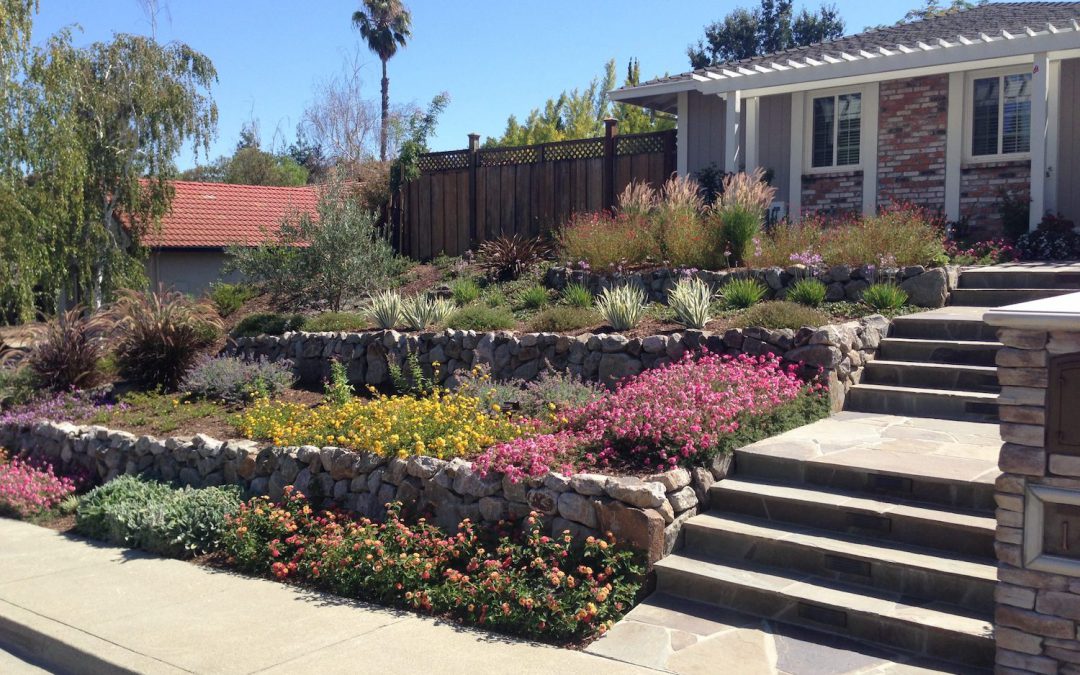
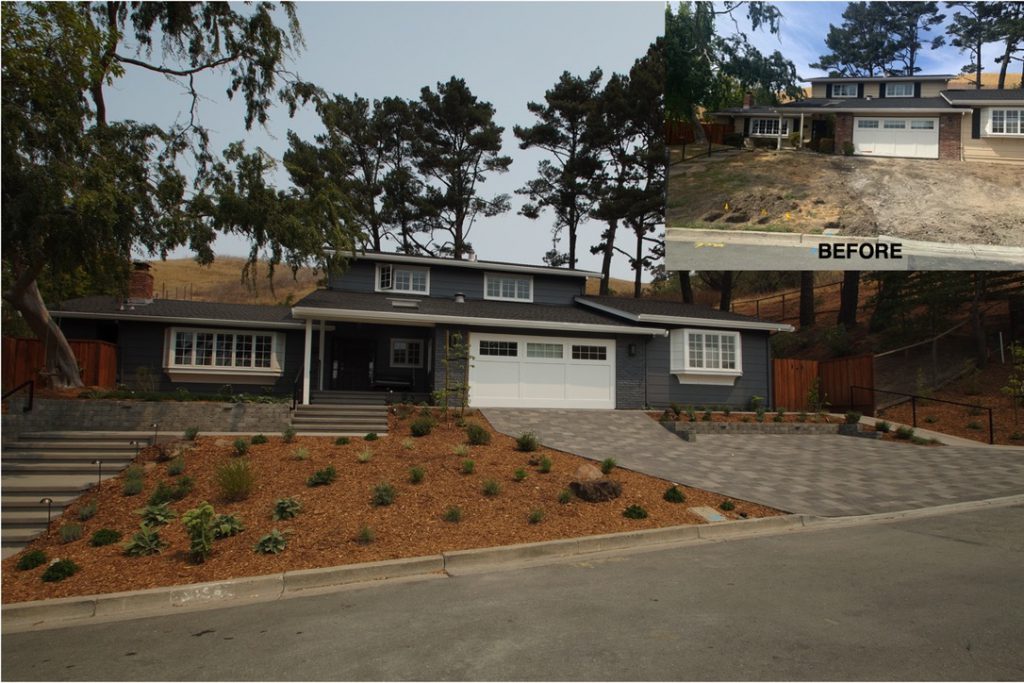
A major residential landscape construction project can completely change the way a property looks, feels, and functions. What may begin as an overgrown backyard, an outdated patio, a sloped lawn, or an underused outdoor area can become a carefully planned space for entertaining, relaxing, gardening, recreation, and everyday living.
But one of the first questions homeowners usually ask is simple: How long will the project take?
There is no single timeline that applies to every landscape construction project. A relatively straightforward backyard renovation may take a few weeks, while a large-scale transformation involving extensive grading, drainage, retaining walls, patios, outdoor kitchens, irrigation, lighting, planting, and other features can take considerably longer.
The construction schedule depends on much more than the number of plants being installed. Site conditions, design complexity, material availability, demolition, excavation, weather, access, inspections when applicable, specialty trades, and changes made during construction can all influence the completion date.
Understanding how the timeline works can help homeowners plan realistically and prepare for the disruption that comes with major outdoor construction. It can also make it easier to recognize why certain phases must happen before others and why rushing one stage can create problems later.
This guide explains how long major residential landscape construction projects typically take, what happens during each phase, what causes delays, and how homeowners can help keep the project moving efficiently.
Key Takeaways
- Major residential landscape construction projects commonly take several weeks to several months, depending on scope and complexity.
- A simple large-scale renovation may move faster than a project involving significant grading, drainage, structures, and custom hardscape.
- Planning and design can take several weeks before physical construction begins.
- Demolition, excavation, and grading often determine how quickly the project can move into installation.
- Drainage and underground infrastructure should generally be addressed before finished landscape elements.
- Hardscape construction can represent a substantial portion of the construction timeline.
- Planting usually happens after the heaviest construction work is completed.
- Weather, material availability, site access, and unexpected site conditions can extend the schedule.
- Homeowner-requested changes during construction can also add time.
- Careful planning, early material selection, and clear communication can help reduce unnecessary delays.
- The construction completion date is different from the date when a new landscape is fully established.
What Is Considered a Major Residential Landscape Project?
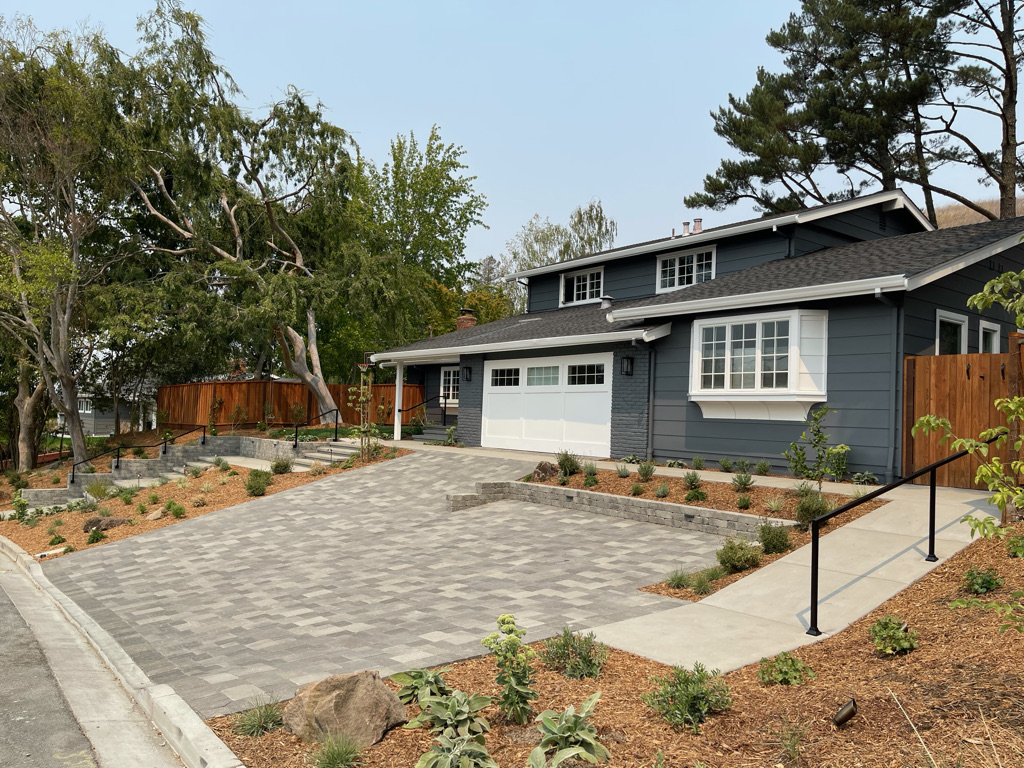
Before discussing timelines, it helps to define what makes a landscape project “major.” A major residential project generally involves more than basic lawn care, seasonal planting, or a small planting-bed renovation. It may involve several interconnected construction activities and multiple types of materials.
A large project might include:
- New patios
- Outdoor kitchens
- Fire features
- Retaining walls
- Extensive walkways
- New driveways
- Drainage improvements
- Significant grading
- Irrigation installation
- Landscape lighting
- New trees and shrubs
- Lawn installation
- Synthetic turf
- Fences and gates
- Outdoor structures
- Garden areas
- Decorative stone
- Large-scale demolition
A complete backyard renovation is a good example. The project may require removal of an existing landscape, excavation, grading, drainage installation, construction of new hardscape, installation of irrigation and lighting, soil preparation, planting, and final cleanup. Each stage takes time, and many stages depend on earlier work being completed.
How Long Does a Major Landscape Construction Project Usually Take?
For planning purposes, a major residential landscape construction project may take several weeks to several months, depending on the size and complexity of the work.
A broad example of a construction timeline might look like this:
| Project Phase | Typical Planning Range |
| Initial consultation and site assessment | Several days to 2 weeks |
| Design and planning | 2-8+ weeks |
| Material selection and ordering | 1-6+ weeks |
| Site preparation and demolition | Several days to 2 weeks |
| Excavation and grading | Several days to several weeks |
| Drainage and underground infrastructure | Several days to 2 weeks |
| Hardscape construction | 1–6+ weeks |
| Irrigation and lighting | Several days to 2 weeks |
| Soil preparation | Several days |
| Planting and lawn installation | Several days to 2 weeks |
| Finishing and cleanup | Several days to 1 week |
These ranges are not guaranteed. Some phases overlap, and some projects require substantially more time. For example, a project with a large retaining wall, extensive excavation, custom masonry, outdoor kitchen, and complicated drainage system could take considerably longer than a project involving a patio and planting beds.
Pre-Construction Preparation
Once the design is finalized, the project can move toward construction.
Pre-construction preparation may involve:
- Finalizing the scope
- Scheduling crews
- Ordering materials
- Coordinating equipment
- Confirming access
- Preparing the work area
- Coordinating specialty trades
- Establishing staging areas
This phase may overlap with material procurement.
Material Procurement
Large landscape projects may require substantial quantities of materials.
For example:
- Thousands of square feet of pavers
- Tons of base material
- Concrete
- Drainage pipe
- Irrigation components
- Landscape lighting
- Soil
- Mulch
- Plants
- Outdoor appliances
Ordering these materials early can help maintain construction momentum.
Demolition and Site Clearing
If the property already has an existing landscape, demolition may be the first major physical construction stage.
Work can include removing:
- Old patios
- Concrete
- Pavers
- Retaining walls
- Grass
- Shrubs
- Unwanted trees where appropriate
- Fences
- Irrigation components
- Debris
A straightforward demolition phase may take several days. More complicated demolition can take one or two weeks or longer.
What Can Make Demolition Take Longer?
Several conditions can increase demolition time.
These include:
- Thick concrete
- Reinforced structures
- Difficult access
- Large amounts of vegetation
- Multiple structures
- Heavy materials
- Limited staging space
Disposal also affects the schedule because demolished material must be loaded, transported, and properly handled.
Excavation and Grading
Excavation and grading often represent one of the most important construction phases. The ground needs to be prepared for the features shown in the design.
Excavation may be necessary for:
- Patios
- Walkways
- Retaining walls
- Footings
- Drainage
- Outdoor structures
- Planting areas
Grading establishes the appropriate elevations and slopes.
Why Excavation Can Take Longer Than Expected
Unexpected conditions can appear once soil is removed.
Examples include:
- Buried debris
- Unexpectedly hard soil
- Poor soil
- Existing concrete
- Old landscape structures
- Drainage problems
- Unanticipated elevation differences
When these conditions occur, additional work may be required.
Large Grade Changes
Properties with substantial slopes may require more extensive grading. A steep backyard might need multiple terraces or retaining walls rather than one simple level surface. This increases both construction complexity and duration.
Retaining Walls and Elevation Features
If a project includes retaining walls, these may add considerable time.
Retaining walls can involve:
- Excavation
- Base preparation
- Drainage
- Wall construction
- Backfilling
- Grading
- Finishing
The larger and more complicated the wall, the more time may be required.
Multiple-Tier Landscapes
A property with several retaining walls or terraces can require extensive construction. Each level needs to connect correctly with the next.
This requires careful attention to:
- Elevation
- Drainage
- Access
- Structural requirements
- Finished grades
Outdoor Kitchens and Specialty Features
Custom outdoor living features can extend the construction schedule.
Examples include:
- Outdoor kitchens
- Built-in grills
- Fire pits
- Fireplaces
- Bars
- Water features
- Pergolas
- Shade structures
- Built-in seating
These features may involve multiple materials and trades.
Outdoor Kitchens
An outdoor kitchen may require coordination among:
- Masonry
- Electrical
- Plumbing
- Gas professionals where applicable
- Countertop suppliers
- Appliance suppliers
The schedule can therefore depend on several different components arriving and being completed in the correct sequence.
Fire Features
Fire features can also require careful coordination with their fuel source, construction materials, and surrounding hardscape. The complexity of the installation affects the timeline.
Irrigation Installation
Irrigation work is usually coordinated with planting and hardscape construction.
A new system may include:
- Main lines
- Valves
- Sprinklers
- Drip irrigation
- Controllers
- Filters
- Pressure regulation
The installation might take several days to a couple of weeks depending on property size and complexity.
Existing Irrigation
If an existing irrigation system is being reused, the contractor may need to modify or relocate portions of it. This can be more complicated than starting with a blank site because existing components need to be evaluated and incorporated where practical.
Landscape Lighting
Landscape lighting can be installed toward the later stages of construction, although its infrastructure needs to be planned earlier.
Lighting may highlight:
- Trees
- Walkways
- Steps
- Patios
- Walls
- Entry areas
- Architectural features
The installation duration depends on the number of fixtures, wiring requirements, and site size.
Why Lighting Should Be Planned Early
Although fixtures may be installed near the end, wiring and infrastructure may need to be coordinated before hardscape and planting are completed. This prevents unnecessary removal of finished surfaces.
Soil Preparation
After major construction, planting areas can be prepared.
Construction equipment can compact soil, so planting areas may need to be restored before plants are installed.
Soil preparation may include:
- Removing unsuitable material
- Adding topsoil
- Incorporating amendments where appropriate
- Loosening compacted areas
- Establishing planting grades
This phase can often be completed relatively quickly, but its importance should not be underestimated.
Planting and Softscape Installation
Plant installation generally occurs after the heavy construction activities are largely complete.
This protects new plants from:
- Heavy equipment
- Foot traffic
- Material deliveries
- Excavation
- Dust
- Construction debris
Planting can include:
- Trees
- Shrubs
- Perennials
- Grasses
- Ground covers
- Flowers
- Vines
- Lawn
A large planting project can take several days or a couple of weeks.
Tree Installation
Trees may require more time than smaller plants because of:
- Larger root balls
- Equipment requirements
- Staking where appropriate
- Soil preparation
- Irrigation considerations
- Careful placement
Planting Density
A project with hundreds of plants naturally takes longer than one with a limited number of larger planting specimens.
Lawn or Turf Installation
Lawns can be installed using different approaches.
Sod
Sod can create an immediately green appearance but requires proper soil preparation and careful installation.
Seed
Seeding can involve additional establishment time because the lawn needs to germinate and develop.
Synthetic Turf
Synthetic turf requires careful base preparation and installation. The construction timeline depends on the selected system and site conditions.

Final Details and Cleanup
The final construction stage involves completing details that bring everything together.
This may include:
- Mulching
- Decorative rock
- Edging
- Final grading
- Irrigation adjustments
- Lighting adjustments
- Plant placement
- Surface cleaning
- Construction debris removal
This phase may take several days to a week depending on project size.
Why Final Details Matter
A landscape can have excellent major features but still appear unfinished if transitions, edges, planting, or cleanup are incomplete. Final detailing is what gives the project a polished appearance.
Final Walkthrough
The contractor and homeowner can review the completed landscape together.
The walkthrough may cover:
- Finished construction
- Irrigation controls
- Lighting controls
- Plant care
- Maintenance requirements
- Material care
- Remaining adjustments
- Warranty information when applicable
This allows the homeowner to ask questions and identify anything that needs attention.
How Weather Affects Landscape Construction Time
Weather is one of the biggest factors that contractors cannot completely control.
Rain
Heavy rain can make:
- Excavation difficult
- Soil unstable
- Grading inaccurate
- Equipment operation challenging
- Concrete work impractical
Wet soil may need time to dry before construction resumes.
Extreme Heat
High temperatures can affect workers, plants, soil, and certain materials. Planting may need to be scheduled carefully to support successful establishment.
Wind
Strong winds can interfere with:
- Material handling
- Tree installation
- Structural work
- Deliveries
Seasonal Considerations
The ideal timing for certain landscape activities can vary depending on the local climate and project requirements. Homeowners should ask contractors how seasonal conditions could affect the proposed schedule.
How Material Delays Affect the Schedule
Material availability can have a surprisingly large impact on major landscape projects. Suppose the hardscape requires a particular paver that is temporarily unavailable. If the contractor cannot complete the patio without it, other work may need to be rearranged. Similarly, an outdoor kitchen may be delayed if a required appliance or countertop is unavailable.
How Homeowners Can Help
Choosing materials early can help.
Before construction starts, homeowners should ideally finalize major selections such as:
- Pavers
- Stone
- Concrete finishes
- Outdoor appliances
- Lighting fixtures
- Irrigation components
- Fencing materials
- Plants
This gives the contractor more time to coordinate procurement.
How Site Access Affects the Timeline
Access is often overlooked when homeowners estimate construction time.
A contractor may need to move:
- Soil
- Gravel
- Concrete
- Pavers
- Plants
- Stone
- Equipment
If the backyard is easily accessible, this can be efficient. If the only access is through a narrow side yard, materials may need to be moved manually or with smaller equipment.
Limited Access Can Add Labor
When workers have to move materials long distances by hand, a task that normally takes hours may take much longer. This can affect the entire schedule.
How Unexpected Site Conditions Affect Construction
No matter how carefully a project is planned, existing properties can contain surprises.
During excavation, contractors may encounter:
- Buried concrete
- Old foundations
- Unmarked utilities
- Unexpected soil conditions
- Poor drainage
- Large roots
- Debris
- Unanticipated elevation changes
These discoveries can require additional work.
Why Contingency Planning Helps
Homeowners should understand that construction estimates and schedules are based on known conditions. Unknown conditions cannot always be predicted before excavation begins. Allowing some flexibility in both budget and schedule can reduce stress when surprises occur.
How Homeowner Decisions Can Affect the Timeline
Homeowners play an important role in keeping construction moving. Delays can occur when decisions about materials, layouts, or features are postponed. For example, if the contractor needs approval for a paver selection before ordering materials, waiting several weeks for a decision can affect the schedule.
Quick Communication Helps
Homeowners can help by:
- Responding to questions promptly
- Reviewing selections early
- Making major decisions before construction
- Avoiding unnecessary mid-project changes
- Communicating concerns immediately
This does not mean homeowners should rush important decisions. It means decisions should be made within the schedule established for the project.
How to Reduce Unnecessary Landscape Construction Delays
While some delays are unavoidable, many can be reduced through planning.
Finalize the Design
Avoid starting construction while major design decisions remain unresolved.
Order Materials Early
Specialty products should be identified and ordered as early as practical.
Confirm Access
Make sure equipment and deliveries can reach the site.
Establish a Clear Scope
Know what is included in the project before work begins.
Plan Infrastructure
Drainage, irrigation, lighting, and utility requirements should be coordinated with hardscape construction.
Allow for Weather
A realistic schedule should have some flexibility for weather-related interruptions.
Communicate Regularly
Regular communication helps identify issues before they become major problems.
Why Rushing a Landscape Project Can Backfire
Homeowners understandably want their new landscape completed as quickly as possible. Rushing construction can create problems.
Poor Base Preparation
Trying to accelerate patio construction without adequate base preparation can lead to settlement and movement.
Incomplete Drainage
Skipping or rushing drainage work can cause water problems later.
Improper Soil Preparation
Plants may struggle if planting areas are not properly prepared.
Damaged New Plantings
Installing plants too early can expose them to heavy construction activity.
Inadequate Finishing
Rushing the final stage can leave uneven transitions, incomplete cleanup, or poorly adjusted irrigation. A well-built landscape is more valuable than a landscape that is simply completed quickly.
Construction Completion vs. Landscape Establishment
An important distinction is that construction completion does not mean the landscape is fully mature.
A project may be considered complete when:
- Hardscape is finished
- Plants are installed
- Irrigation works
- Lighting operates
- Cleanup is complete
But plants still need time to establish.
Newly Planted Trees
Trees may take years to become fully established.
Shrubs and Perennials
These plants can also require multiple growing seasons to reach their intended appearance.
Lawn
A newly installed lawn may require weeks or months to become fully established, depending on the installation method and growing conditions. This means homeowners should think of construction as the beginning of the landscape’s next stage rather than the end of its development.
What Should Homeowners Expect During Major Landscape Construction?
Major construction will temporarily disrupt normal outdoor use.
Homeowners may experience:
- Noise
- Dust
- Construction traffic
- Material deliveries
- Temporary access restrictions
- Equipment operation
- Soil movement
- Construction debris
Some areas of the property may be inaccessible for extended periods.
Preparing the Household
Before construction starts, homeowners can:
- Move outdoor furniture
- Store fragile decorations
- Relocate toys
- Protect belongings near the work zone
- Discuss pet access
- Plan alternate routes
- Prepare for temporary noise
Understanding this ahead of time makes the construction period easier to manage.
Questions to Ask About the Landscape Construction Schedule
Before hiring a contractor, homeowners should ask:
- What is the estimated construction duration?
- When could work realistically begin?
- Which phase takes the longest?
- What materials need to be ordered in advance?
- What site conditions could affect the schedule?
- How will weather delays be handled?
- How are design changes handled?
- Who coordinates specialty trades?
- What work will be completed first?
- When will planting take place?
- When will irrigation and lighting be tested?
- What happens if unexpected conditions are discovered?
- How frequently will schedule updates be provided?
- What should the homeowner do to prepare the property?
- What maintenance is required after completion?
These questions can provide a much clearer picture of what to expect.
When Is the Best Time to Start a Landscape Construction Project?
There is no universally perfect start date.
The best timing depends on:
- Local weather
- Planting conditions
- Material availability
- Contractor scheduling
- Project complexity
- Homeowner deadlines
- Desired completion date
If a homeowner wants a landscape ready for a particular season or event, planning should begin well in advance. Starting the design process early provides more time for material ordering, scheduling, and unexpected issues.
The Importance of a Realistic Landscape Construction Schedule
A good schedule should be detailed enough to establish expectations but flexible enough to account for real-world construction conditions.
A professional timeline should recognize that:
- Weather can change
- Materials can be delayed
- Existing conditions can differ from expectations
- Specialty trades may have scheduling requirements
- Some construction phases depend on others
The goal should not necessarily be the shortest possible timeline. The goal should be a realistic timeline that allows each phase to be completed correctly.
Conclusion
A major residential landscape construction project can take anywhere from several weeks to several months, depending on the size, complexity, site conditions, materials, and number of construction phases involved.
The process typically begins with consultation and site assessment, followed by design and planning. Physical construction can then move through demolition, excavation, grading, drainage, hardscape installation, retaining walls, specialty features, irrigation, lighting, soil preparation, planting, final details, and cleanup.
Some projects move quickly because they have straightforward designs and excellent site access. Others require considerably more time because of steep grades, extensive demolition, complicated drainage, custom hardscape, specialty materials, or multiple outdoor living features.
Homeowners can help keep the project on schedule by making decisions early, selecting materials in advance, communicating clearly, preparing the property, and understanding that unexpected site conditions may occasionally affect the timeline.
Most importantly, landscape construction should not be rushed simply to reach the finish line sooner. Proper grading, drainage, base preparation, irrigation, soil preparation, and installation techniques create the foundation for a landscape that remains functional and attractive long after construction crews have left.
The finished construction is only the beginning. With proper maintenance and plant establishment, a thoughtfully constructed landscape can continue developing and improving for years.
Frequently Asked Questions
1. How Long Does A Major Residential Landscape Project Usually Take?
A major residential landscape project can take several weeks to several months. The exact duration depends on project size, design complexity, site conditions, materials, weather, access, and construction requirements.
2. What Takes The Longest During Landscape Construction?
Hardscape, excavation, grading, retaining walls, drainage, and custom outdoor features can take substantial time. The longest phase varies depending on the individual project.
3. How Long Does Landscape Design Take Before Construction?
Landscape design can take several weeks or longer for a major project. Larger projects with extensive hardscape, drainage, planting, lighting, and outdoor living features generally require more planning.
4. Can Weather Delay Landscape Construction?
Yes. Heavy rain, extreme heat, strong winds, and other unfavorable conditions can affect excavation, grading, concrete work, material deliveries, and planting.
5. How Long Does Backyard Demolition Take?
Simple demolition may take several days, while extensive demolition involving concrete, old structures, large amounts of vegetation, or difficult access can take one to two weeks or longer.
6. How Long Does Grading Take?
Grading may take several days for a relatively straightforward property. Larger sites with significant elevation changes, extensive excavation, or drainage requirements can take considerably longer.
7. Does Drainage Add Time To A Landscaping Project?
Yes. Drainage installation adds a construction phase, but addressing drainage during the project can help prevent more expensive problems later.
Start Your Landscape Construction Project With A Proven Local Team
A successful landscape construction project starts with careful planning and skilled execution. Poor drainage, improper grading, disconnected hardscape elements, irrigation issues, and rushed construction can create costly problems later. Vince’s Landscaping takes a complete approach to landscape construction, coordinating every element so your outdoor space is functional, cohesive, and built to last.
Since 1982, our family-owned team has helped East Bay homeowners transform outdated and underused yards through professional landscape construction. From patios, walkways, retaining walls, and planting areas to irrigation, lighting, outdoor living spaces, and complete backyard transformations, our experienced crews manage each project from start to finish with careful planning and clear communication.
If you’re ready to invest in a professionally built landscape that improves how you use and enjoy your property, Vince’s Landscaping can help. Schedule a consultation and discover what experienced landscape construction can do for your home.
Disclaimer
The materials available on this website are provided for general informational and educational purposes only. They are not intended to serve as professional design, construction, engineering, architectural, legal, or other specialized advice for any specific property or project.
Every landscape project is different, and conditions such as grading, drainage, soil, irrigation, existing structures, local codes, permitting requirements, and site access can affect the appropriate design and construction approach. You should consult with a qualified landscape professional, contractor, landscape architect, engineer, or other appropriate professional before making decisions based on information provided on this website.
Do not act or refrain from acting solely based on the content of this site. Information may change over time and may not reflect current building codes, regulations, industry standards, product specifications, or site-specific requirements. Vince’s Landscaping disclaims liability for actions taken or not taken based on the information contained on this website to the fullest extent permitted by law.
Recent Comments