
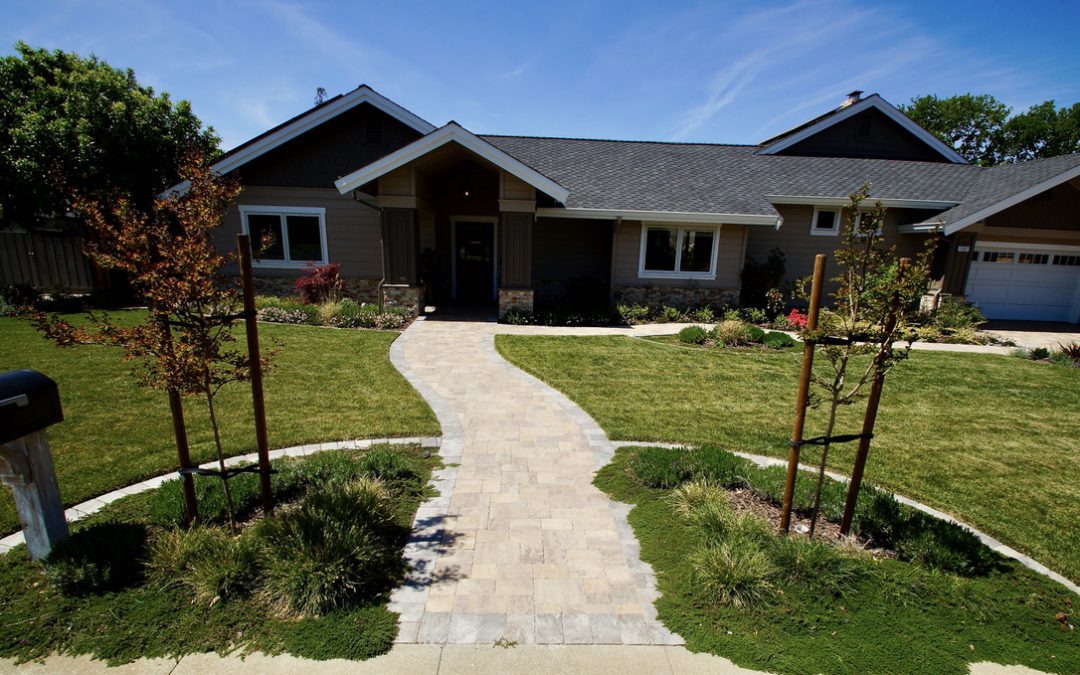
A well-designed outdoor space can become one of the most valuable and enjoyable parts of a home. A thoughtfully planned landscape can create inviting areas for entertaining, improve curb appeal, provide privacy, make outdoor living more comfortable, and help homeowners get more practical use from their property. But achieving those results takes more than choosing attractive plants or installing a new lawn.
Landscape installation is a significant investment, particularly when a project includes patios, outdoor kitchens, retaining walls, irrigation, drainage, lighting, trees, planting beds, walkways, or other custom features. When homeowners rush into construction without a clear plan, seemingly small oversights can lead to drainage problems, plant failures, maintenance headaches, unexpected costs, or an outdoor space that does not function as intended.
Understanding common planning mistakes can help homeowners make better decisions before work begins. Whether you are considering a modest garden upgrade or a comprehensive $30,000+ outdoor transformation, the planning stage is where many of the most important decisions are made.
This guide explores the mistakes homeowners should avoid when planning a landscape installation, explains why each mistake matters, and provides practical ways to approach a residential landscape installation with greater confidence.
Key Takeaways
- A successful landscape installation begins with a clear plan, realistic budget, and understanding of how the property will be used.
- Homeowners should evaluate drainage, grading, sunlight, soil, access, and existing site conditions before selecting plants or hardscape materials.
- Choosing plants based only on appearance can create long-term maintenance and replacement problems.
- A landscape budget should account for design, site preparation, materials, labor, irrigation, lighting, drainage, and potential site complications.
- Trying to complete every feature at once without prioritizing can create an impractical or unnecessarily expensive project.
- Professional landscape installation can help coordinate design, construction, planting, irrigation, drainage, and other elements as one cohesive system.
- High-value landscape projects benefit from planning for future maintenance, growth, outdoor living needs, and long-term property use rather than focusing only on immediate appearance.
Starting Without A Clear Vision For The Property
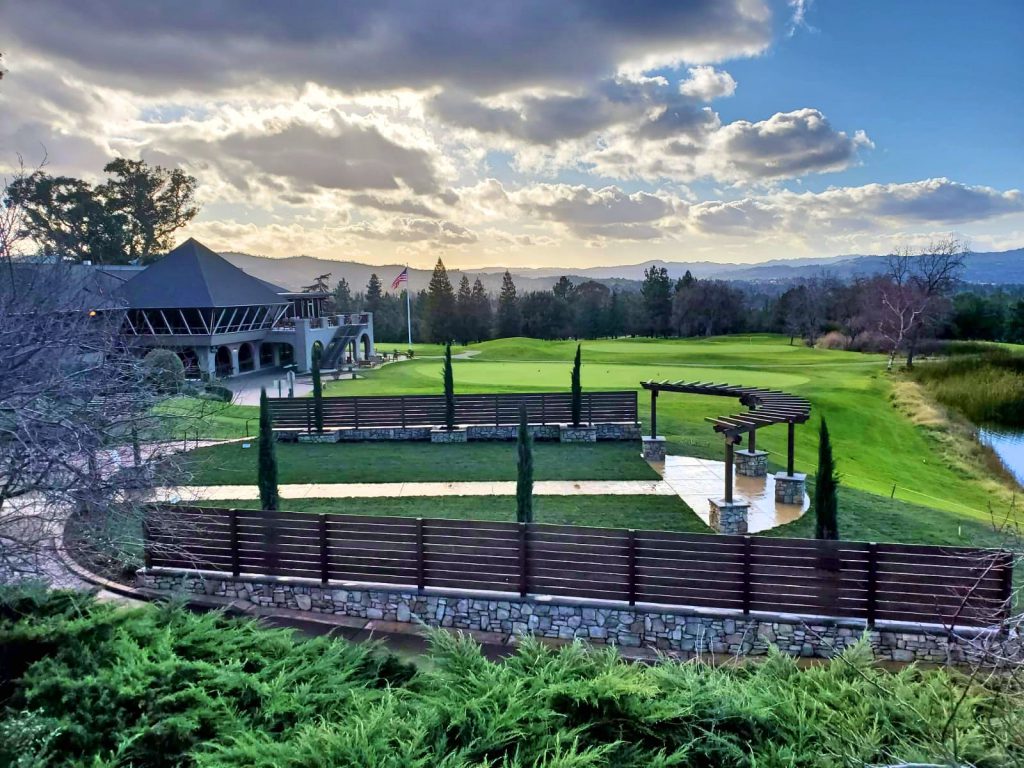
One of the most common landscape installation mistakes is beginning construction before deciding what the outdoor space is actually supposed to accomplish. Homeowners may start by choosing plants, pavers, decorative stone, or a patio because those are the most visible elements. A successful landscape should begin with the property’s purpose.
Ask yourself how you want to use the space. Do you want an outdoor dining area? A place for children to play? A private garden retreat? A poolside entertaining area? A low-maintenance yard? A welcoming front entrance? Additional space for outdoor cooking? Better screening from neighboring properties?
These questions influence nearly every other decision. For example, a homeowner who frequently entertains may benefit from a larger patio, outdoor kitchen, seating areas, lighting, and convenient circulation paths. Someone primarily interested in relaxation may place greater emphasis on shade, privacy planting, water features, and comfortable seating. Without a clear vision, homeowners can end up with individual features that look attractive but don’t work well together.
How To Avoid The Mistake
Before construction begins, create a list of priorities. Separate your needs from your wants and think about how the property should function five or ten years from now. A professional landscape installation plan can then organize those priorities into functional zones rather than treating every feature as an isolated improvement.
Focusing Only on Appearance
Beautiful landscaping is important, but appearance should not be the only consideration. A landscape needs to work with the property. It must account for water movement, soil conditions, sunlight, access, foot traffic, plant growth, maintenance requirements, and the way people actually move through the yard.
A visually impressive design can still be frustrating if water collects near the house, plants quickly outgrow their locations, walkways are inconvenient, or outdoor seating receives too much afternoon heat. This is particularly important for larger residential landscape installation projects. The more components a project includes, the more important it becomes to coordinate them.
Function Should Guide Aesthetics
Consider a patio. Its shape and material matter, but so do its location, size, relationship to the house, access to the kitchen, drainage, shade, and connection to other outdoor areas. The same principle applies to planting. A tree may look perfect in a rendering but become problematic if it eventually interferes with utilities, structures, walkways, or views. Good landscape design does not require homeowners to choose between beauty and practicality. The goal is to combine the two.
Underestimating the Importance of Site Evaluation
Another major mistake is assuming that the yard is ready for installation simply because it looks relatively level and healthy. Before construction begins, the site should be evaluated carefully.
Important factors can include:
- Existing grades and slopes
- Drainage patterns
- Soil composition
- Sun and shade
- Existing vegetation
- Mature trees and root systems
- Utility locations
- Property boundaries
- Existing structures
- Access for construction equipment
- Areas prone to erosion or standing water
Ignoring these conditions can create expensive surprises once work begins. For example, removing an old lawn may reveal compacted soil that needs improvement before planting. Excavation for a patio may uncover drainage issues or difficult soil conditions. A sloped property may require grading, steps, retaining structures, or other solutions that were not considered in the original budget.
Why Professional Evaluation Matters
Professional landscape installation involves more than placing materials in predetermined locations. Experienced professionals evaluate how the proposed improvements interact with existing site conditions. That upfront assessment can help reduce surprises and produce a landscape that performs properly after installation.
Ignoring Drainage and Water Management
Drainage is one of the easiest things to overlook because it is not usually the most visually exciting part of landscaping. It is also one of the most important. Water needs somewhere to go. If grading and drainage are not addressed properly, rainwater can collect around patios, planting beds, foundations, retaining walls, walkways, or low areas of the yard. Excess moisture can damage plants, contribute to erosion, create muddy areas, and undermine hardscape installations.
Homeowners sometimes think of drainage as something to address only after a problem appears. That approach can be costly.
Plan Drainage Before Installation
Drainage should be considered during the design stage, particularly when installing hardscaping, modifying grades, working on sloped properties, or changing large areas of the existing landscape.
Depending on the property, solutions may include improved grading, drainage channels, catch basins, permeable surfaces, appropriate soil preparation, or other water-management strategies. The correct solution depends on site conditions. The important point is that drainage should be part of the landscape plan rather than an afterthought.
Choosing Plants Based Solely On Appearance
It is easy to fall in love with a particular plant at a nursery or in a landscaping photograph. But a plant that looks beautiful in one environment may not perform well in another. Homeowners should consider mature size, sunlight, water requirements, soil conditions, growth rate, seasonal appearance, maintenance requirements, and compatibility with nearby plants.
A small ornamental tree, for example, may look perfectly proportioned when installed. Years later, its canopy or roots may interfere with nearby structures or utilities if its mature size was not considered. Similarly, densely planted beds may look impressive immediately after installation but become overcrowded as plants mature.
Think Beyond Installation Day
A landscape should be designed for the future, not just the day it is completed. Ask how large plants will become and how much space they will require. Consider whether their maintenance requirements fit your lifestyle. Think about seasonal changes and whether the landscape will continue to provide visual interest throughout the year. Good plant selection can reduce replacement costs and maintenance while helping the landscape become more attractive as it matures.
Forgetting About Maintenance
A landscape can be professionally installed and still become difficult to manage if maintenance requirements are never considered. Some homeowners want extensive planting beds, ornamental plants, hedges, seasonal color, turf, trees, and other features without realizing how much ongoing care they may require.
Maintenance can involve mowing, pruning, fertilizing, irrigation adjustments, weed control, seasonal cleanup, plant replacement, pest management, and other tasks. This does not mean homeowners should avoid ambitious landscapes. It means the landscape should match the amount of maintenance they are willing and able to provide.
Build Maintenance Into The Design
If low maintenance is a priority, communicate that during planning. Plant selection, irrigation design, bed layout, hardscape placement, mulch, ground covers, and lawn area can all influence long-term maintenance. A professional landscape installation can be planned around your preferred maintenance level instead of requiring you to adapt your lifestyle to the finished yard.
Creating A Budget Based Only On Materials
Many homeowners begin budgeting by estimating the cost of visible materials such as pavers, plants, stone, or outdoor fixtures. That can produce an unrealistic number.
A complete landscape installation may involve design, demolition, excavation, grading, soil preparation, drainage, irrigation, electrical work for lighting, hardscape construction, planting, installation labor, delivery, cleanup, and other site-specific expenses. The materials may be only one part of the overall investment.
Look At The Project As A Complete System
For a larger project, homeowners should think in terms of the finished environment rather than individual products. A $30,000+ landscape project, for example, may include several interconnected components. Spending heavily on premium pavers while overlooking drainage, lighting, planting, or site preparation may result in an unbalanced project.
A more useful budgeting approach is to establish the overall investment you are comfortable making and then determine which improvements will deliver the greatest value and functionality.
Choosing the Lowest Bid Without Comparing Scope
Price matters, but comparing landscape contractors based only on the lowest number can be risky. Two proposals can have very different scopes even when they appear to describe the same project.
One proposal might include substantial soil preparation, upgraded drainage, professional-grade irrigation, detailed planting, lighting, cleanup, and project management. Another might leave some of those elements out. A lower price is not necessarily a better value if important components are missing.
Compare What You Are Actually Receiving
When reviewing proposals, look at:
- Scope of work
- Materials and product specifications
- Site preparation
- Drainage and grading
- Irrigation
- Plant quantities and sizes
- Hardscape installation
- Lighting
- Cleanup
- Project timeline
- Warranty or workmanship information
- Any exclusions or allowances
The goal is to compare comparable scopes rather than simply comparing totals. Professional landscape installation should provide clarity about what is included and how the different phases of work fit together.
Trying To Do Everything At Once Without Prioritizing
It is understandable to want a complete outdoor transformation. You may envision a new patio, outdoor kitchen, pool area, fire feature, retaining walls, lawn, trees, garden beds, lighting, irrigation, privacy screening, and walkways all at once. For homeowners with the appropriate budget and site, a comprehensive project can make sense. But trying to incorporate every possible feature without a coherent strategy can make the landscape feel crowded and unnecessarily expensive.
Create a Master Plan
Even if the project will be completed in phases, create a long-term plan first. For example, Phase One might focus on grading, drainage, primary hardscape, and utilities. Phase Two might add planting and outdoor living features. Future phases could introduce additional landscape enhancements.
A master plan helps prevent homeowners from installing one feature today that makes a future improvement more difficult or expensive. This approach is especially valuable for larger residential landscape installation projects.
Neglecting Outdoor Circulation
Landscaping is not just about where things are placed. It is also about how people move between them. Poor circulation can make an outdoor space feel awkward. Imagine a patio located far from the kitchen, a fire pit separated from the main seating area, or a pathway that forces guests to walk through planting beds. These problems may not be obvious when looking at individual features, but they become noticeable during everyday use.
Plan Movement Intentionally
Think about the routes people will take from the house to the patio, driveway, garden, pool, outdoor kitchen, seating areas, and other destinations. Pathways should feel natural rather than forced. Their width, material, slope, lighting, and relationship to surrounding features should support comfortable movement. For larger properties, circulation becomes even more important because the landscape often functions as a series of connected outdoor rooms.
Forgetting About Privacy and Neighboring Properties
Privacy is often an important reason homeowners invest in landscaping, yet it is sometimes considered too late. If neighboring homes, streets, sidewalks, or other properties are visible from outdoor living areas, the landscape may not feel as comfortable or private as intended.
Privacy can be created using a combination of trees, shrubs, fencing, walls, screens, structures, and strategic landscape placement. The right solution depends on the property and desired level of screening.
Plan Privacy Around Mature Growth
A common mistake is installing plants too close together because homeowners want immediate screening. Instead, consider mature plant sizes and growth rates. A well-planned privacy screen should provide coverage while still giving plants enough room to develop properly.
Ignoring Sun, Shade, And Seasonal Conditions
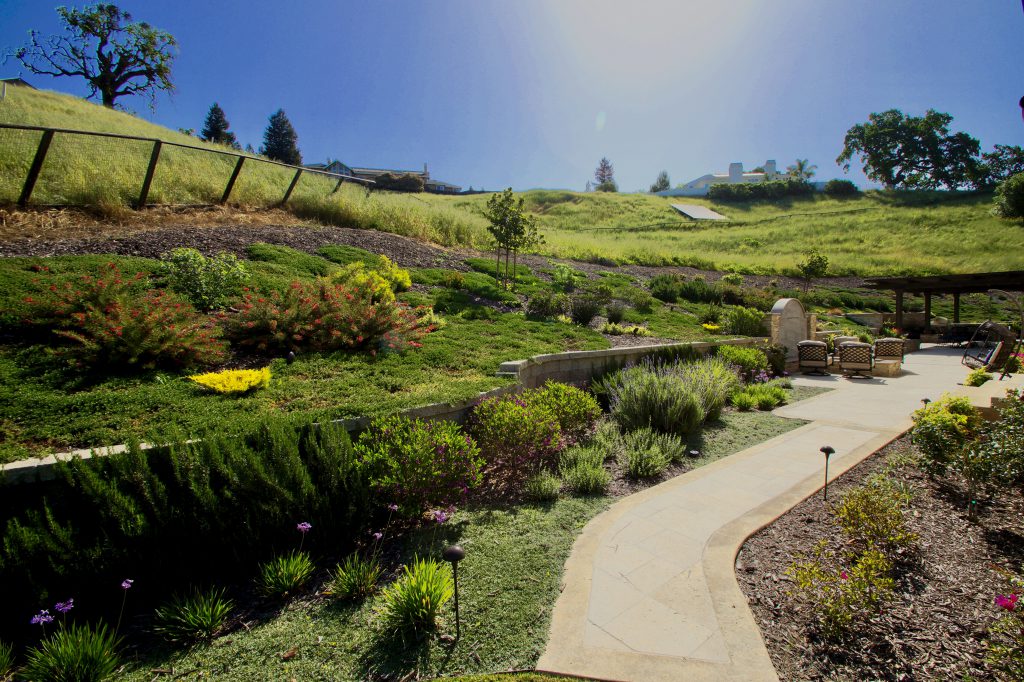
The amount of sunlight an area receives can change dramatically throughout the day and year. A location that seems sunny during an afternoon visit may receive substantially different light at another time. This matters for plants, seating areas, patios, outdoor kitchens, and other features.
Planting shade-sensitive species in a consistently shaded location can result in poor growth. Conversely, placing certain plants in intense sun may increase watering and maintenance requirements. Outdoor living areas also benefit from thoughtful consideration of shade.
Plan for Comfort
Depending on the property, shade can come from trees, pergolas, structures, umbrellas, or other features. The goal is not simply to create shade but to place it where people are most likely to use the space. Considering sunlight during the design phase can improve both plant health and outdoor comfort.
Installing Irrigation Without Considering the Whole Landscape
Irrigation is another component that homeowners may overlook until after plants are installed. Different plants can have different water requirements. Lawns, shrubs, trees, ornamental plants, and containers may not need identical watering schedules. An inefficient irrigation system can waste water, overwater some areas, underwater others, and create maintenance problems.
Match Irrigation to Planting Design
Irrigation should be coordinated with plant selection and landscape layout. A well-planned system can provide appropriate coverage while allowing different zones to be managed according to the needs of the landscape. This is one reason comprehensive professional landscape installation can be advantageous: irrigation, planting, grading, and hardscape decisions can be coordinated rather than handled independently.
Overlooking Lighting During the Planning Stage
Landscape lighting is frequently treated as an optional finishing touch. Lighting can dramatically affect how a property functions after sunset. Path lighting can improve visibility. Accent lighting can highlight trees or architectural elements. Patio lighting can make outdoor entertaining more comfortable. Properly positioned lighting can also contribute to the overall atmosphere of the property. The mistake is waiting until the landscape is complete to decide where lighting should go.
Design Lighting With the Landscape
Lighting locations should be considered alongside pathways, trees, seating areas, steps, walls, outdoor kitchens, and other features. Planning early can also make installation cleaner and reduce the need to disturb completed landscaping later.
Choosing Materials Without Considering the Home
Another common mistake is selecting landscape materials independently from the architecture of the house. A patio, retaining wall, walkway, or outdoor kitchen should generally feel connected to the property’s existing design. This does not mean everything must match exactly. In fact, contrast can be attractive. But the colors, textures, proportions, and materials should create a cohesive overall appearance.
Consider the home’s exterior finishes, roof, windows, doors, architectural style, existing hardscape, and surrounding environment. The best landscape installation usually feels like a natural extension of the home rather than an unrelated addition.
Ignoring Construction Access
Homeowners sometimes think about the finished landscape but forget how materials and equipment will reach the property. Large landscape projects may require deliveries of soil, stone, pavers, concrete, plants, or other materials. Equipment may also be necessary for excavation, grading, demolition, or material handling. Limited access can affect scheduling, labor requirements, and project costs.
Evaluate Access Early
Before finalizing a design, consider gates, driveways, narrow side yards, slopes, existing structures, and other access limitations. Understanding these constraints early allows the installation plan to account for them rather than discovering the problem after construction begins.
Failing To Plan For Future Growth
A landscape is a living environment. Trees grow. Shrubs spread. Ground covers expand. Roots develop. Outdoor spaces may also need to adapt as homeowners’ needs change. A design that works perfectly today may not remain practical if future growth is ignored. This is particularly important for trees and privacy planting. The mature size of a plant should influence where it is installed.
Future household needs matter too. A young family may eventually want more open play space. Homeowners may later want an outdoor kitchen, pool, garden, or expanded entertainment area. A master landscape plan can leave room for those possibilities.
Treating Landscaping As A Collection Of Separate Projects
One of the biggest differences between a coordinated landscape installation and a collection of small improvements is how the elements work together. A patio affects drainage. Drainage affects grading. Grading affects planting areas. Planting affects irrigation. Lighting depends on the locations of trees and hardscape. Walkways affect circulation. These decisions are connected. When each feature is planned separately, homeowners can end up making choices that conflict with one another.
Think In Systems
A professional approach considers the entire property as one environment. That does not mean every project needs to be large. Even a modest landscape can benefit from coordinated planning. For higher-value projects, this integrated approach becomes particularly important because there are more features, more investment, and more opportunities for construction conflicts.
Not Asking Enough Questions Before Hiring A Contractor
Homeowners should feel comfortable asking detailed questions before moving forward. A contractor should be able to explain the proposed scope, major materials, construction process, anticipated timeline, site preparation, and factors that could affect the project.
Ask who will manage the work, how changes will be handled, how communication will work, and what happens if unexpected site conditions are discovered. You should also ask about previous projects that demonstrate experience with the type of landscape you are considering. The goal is not to interrogate a contractor. It is to establish expectations before construction begins.
Designing For Trends Instead Of Long-Term Value
Landscape trends can inspire, but homeowners should be cautious about designing an entire property around something that may quickly become dated. A landscape is a long-term investment. Timeless materials, appropriate plant selection, functional layouts, and quality construction are generally more important than following every current design trend.
This does not mean a landscape has to look traditional. Modern, contemporary, Mediterranean, naturalistic, and other styles can all work beautifully when thoughtfully adapted to the property. The best design is one that homeowners will continue to enjoy years after installation.
How Professional Landscape Installation Can Reduce Planning Mistakes
Planning a landscape can become complicated when a project includes multiple construction and design components. Professional landscape installation can bring these elements together under one coordinated plan. Rather than choosing plants separately from hardscape, irrigation, lighting, drainage, and grading, homeowners can approach the property as a complete system.
A professional team can help identify site limitations, develop a practical layout, recommend appropriate materials and plants, coordinate installation, and address construction challenges as they arise. This does not mean homeowners should surrender control over the design. A good process should involve collaboration.
Homeowners provide the vision, priorities, lifestyle considerations, and budget. Professionals contribute technical knowledge, construction experience, design guidance, and knowledge of how different landscape components interact. That combination can be particularly valuable for substantial residential landscape installation projects where mistakes can become expensive to correct later.
How to Plan a Successful $30,000+ Landscape Project
For homeowners considering a larger landscape investment, planning should go beyond selecting attractive features.
- Start by identifying the primary objective. Is the goal to create an outdoor entertainment area, improve the property’s appearance, increase usable space, establish privacy, reduce maintenance, or accomplish several of these goals?
- Next, evaluate the property. Consider grading, drainage, sunlight, soil, existing vegetation, access, utilities, and structures. These factors can influence both design and budget.
- Then develop a comprehensive concept. Determine where the primary outdoor rooms, pathways, planting areas, and functional features will go. From there, establish priorities and select materials, plants, lighting, irrigation, and other elements that support the overall design.
- Finally, establish a realistic budget that accounts for the complete scope of work.
A larger landscape project should not be viewed simply as a collection of expensive materials. Its value comes from how effectively those materials, features, and systems work together.
Signs You May Need Professional Help
Not every landscape project requires extensive professional involvement. Some homeowners can successfully handle small planting projects, garden improvements, or straightforward upgrades themselves.
Professional assistance becomes increasingly valuable when a project involves significant grading, drainage, large hardscape areas, retaining structures, irrigation, lighting, extensive planting, outdoor kitchens, multiple outdoor living zones, or a substantial investment.
You may also benefit from professional landscape installation if you are unsure how to combine multiple ideas into one cohesive design. The larger and more complex the project, the more important coordination becomes.
A Better Way To Approach Landscape Installation
The most successful landscaping projects rarely begin with the question, “What should I buy?” They begin with, “What do I want my property to do?”
That shift in perspective can change the entire process. Instead of choosing individual plants, homeowners can create planting strategies. Instead of selecting a patio solely based on appearance, they can design an outdoor living area. Instead of adding drainage after problems occur, they can incorporate water management into the original plan. The result is a landscape that feels intentional. A well-planned landscape should be attractive when first completed, but it should also become more functional and appealing as it matures.
Final Remarks
Landscape installation is a significant investment in your home, and careful planning can make the difference between a landscape that simply looks good and one that genuinely improves the way you use your property. The biggest mistakes homeowners can avoid include starting without a clear vision, focusing exclusively on appearance, ignoring drainage and site conditions, choosing plants without considering mature growth, underestimating maintenance, creating an unrealistic budget, selecting a contractor based only on price, and failing to coordinate the different components of the project.
For larger residential landscape installation projects, these considerations become even more important. A patio, planting plan, irrigation system, drainage strategy, lighting design, pathways, and outdoor living features should work together rather than compete for space or function.
Professional landscape installation can provide valuable guidance throughout this process, especially when a project involves multiple features or represents a substantial investment. With the right planning, homeowners can create an outdoor environment that is beautiful, functional, durable, and suited to the way they actually live. The best landscape is not necessarily the one with the most features. It is the one where every major decision has a purpose.
Frequently Asked Questions
1. What Is The Biggest Mistake Homeowners Make When Planning A Landscape Installation?
One of the biggest mistakes is starting construction without a comprehensive plan. Homeowners may select plants, patios, lighting, or other features individually without considering how those elements will interact. A complete landscape plan should account for property use, grading, drainage, sunlight, soil, circulation, planting, irrigation, lighting, hardscape, maintenance, and future needs. Planning these elements together can reduce costly changes during construction and help create a more cohesive finished landscape.
2. How Much Should I Budget For A Residential Landscape Installation?
The cost of a residential landscape installation varies significantly depending on property size, design complexity, materials, site conditions, labor, and the features included. A simple planting project may cost far less than a comprehensive outdoor renovation with patios, retaining walls, irrigation, lighting, drainage, outdoor kitchens, and other improvements.
Instead of establishing a budget based only on material prices, homeowners should consider the complete scope of work. For larger projects, it is also wise to discuss priorities with a professional so the available investment can be allocated to improvements that provide the greatest functional and aesthetic value.
3. Should Drainage Be Considered Before Landscape Installation Begins?
Yes. Drainage should be evaluated during the planning stage rather than after landscaping is installed. Changes to grading, patios, walkways, planting beds, retaining structures, and other features can affect how water moves across the property. Addressing drainage early can help reduce standing water, erosion, muddy areas, and moisture-related problems. A professional evaluation can help determine which drainage and grading strategies are appropriate for the property’s specific conditions.
4. How Do I Choose The Right Plants For My Landscape?
Plant selection should be considered more than appearance. Homeowners should evaluate sunlight, soil, water requirements, mature size, growth rate, seasonal characteristics, maintenance needs, and compatibility with nearby plants. It is particularly important to understand how large trees and shrubs will become. A plant that looks appropriately sized at installation can eventually become overcrowded or interfere with structures if its mature dimensions are ignored.
A professional landscape installation team can help homeowners select plants that support both the appearance and long-term performance of the landscape.
5. Is Professional Landscape Installation A Smart Investment?
Professional landscape installation can be particularly valuable for complex or higher-value projects involving multiple systems and construction phases. Professionals can help coordinate site preparation, grading, drainage, hardscape, planting, irrigation, lighting, and other elements. This integrated approach can help homeowners avoid conflicts between different parts of the project.
For smaller projects, homeowners may be able to complete some work themselves. Professional guidance can become increasingly useful as project complexity, investment, and technical requirements increase.
6. Should I Install My Entire Landscape At Once?
Not necessarily. Some homeowners benefit from completing a landscape in phases, particularly when the project is extensive. The important thing is to create a comprehensive plan before beginning the first phase. A master plan can establish future locations for patios, planting areas, utilities, lighting, pathways, outdoor kitchens, or other features. This allows individual phases to work together instead of creating a finished area that later needs to be removed or redesigned.
7. What Should I Discuss With a Landscape Contractor Before Starting?
Before starting a landscape installation, discuss the overall scope, budget, design priorities, materials, site preparation, drainage, irrigation, planting, hardscape, lighting, timeline, maintenance expectations, and how unexpected conditions will be handled. You should also make sure you understand what is included in the proposal and which items are excluded.
For a substantial residential landscape installation, clear communication before construction begins can help establish realistic expectations and reduce misunderstandings during the project.
Ultimately, the best landscape installation starts with thoughtful planning. By understanding your property’s conditions, defining how you want to use the space, establishing realistic priorities, and working with experienced professionals when appropriate, you can create an outdoor environment designed for both immediate enjoyment and long-term value.
Start Your Residential Landscape Installation With a Proven Local Team
A great landscape starts with more than choosing plants and materials. Poor planning, disconnected contractors, drainage problems, irrigation mistakes, and improper installation can turn an exciting project into an expensive headache. Vince’s Landscaping takes a different approach to landscape installation, bringing design, construction, and installation together so every part of your outdoor space works as one complete plan.
Since 1982, our family-owned team has helped East Bay homeowners transform outdated and underused yards into outdoor spaces designed around the way they actually live. From hardscaping and planting to irrigation, lighting, outdoor living areas, and complete landscape installation, our experienced crews manage the project from start to finish with careful planning and open communication.
If you’re ready to invest in a landscape that looks great, functions properly, and is built to last, Vince’s Landscaping can help. Schedule a consultation and discover what professional landscape design and installation can do for your home.
Disclaimer
The materials available on this website are provided for general informational and educational purposes only. They are not intended to serve as professional design, construction, engineering, architectural, legal, or other specialized advice for any specific property or project.
Every landscape project is different, and conditions such as grading, drainage, soil, irrigation, existing structures, local codes, permitting requirements, and site access can affect the appropriate design and construction approach. You should consult with a qualified landscape professional, contractor, landscape architect, engineer, or other appropriate professional before making decisions based on information provided on this website.
Do not act or refrain from acting solely based on the content of this site. Information may change over time and may not reflect current building codes, regulations, industry standards, product specifications, or site-specific requirements. Vince’s Landscaping disclaims liability for actions taken or not taken based on the information contained on this website to the fullest extent permitted by law.
Recent Comments