
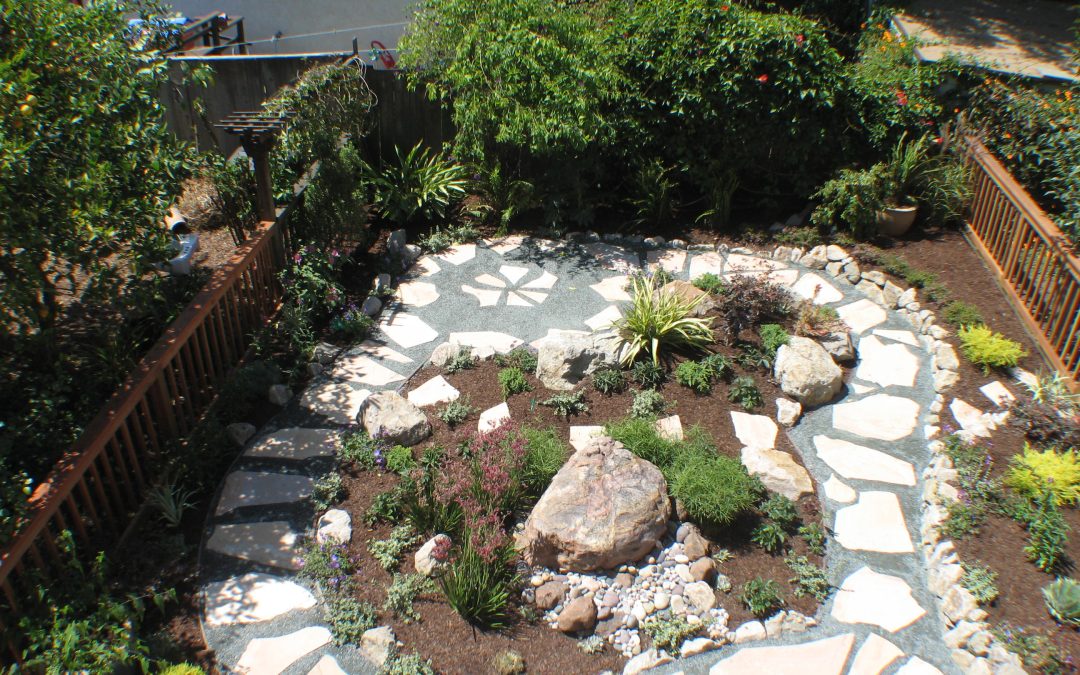
Choosing the right company for landscape installation is one of the most important decisions you can make when investing in your property’s outdoor space. A landscape project can involve much more than planting a few trees or installing new grass. Depending on your goals, it may include grading, drainage, irrigation, retaining walls, patios, walkways, outdoor lighting, planting design, hardscaping, soil preparation, and long-term maintenance considerations.
For larger residential projects, the investment can also be substantial. When a landscape installation costs $30,000 or more, selecting a contractor based only on the lowest estimate can create unnecessary risks. A company may offer an attractive initial price but lack the experience, planning process, project management, or craftsmanship needed to deliver the finished landscape you actually want.
The right landscape installation company should be able to understand your property, listen to your priorities, develop a practical design, explain the scope clearly, and execute the work professionally. Just as importantly, the company should be transparent about costs, timelines, materials, site conditions, and potential challenges.
This guide explains what homeowners should look for when comparing landscape installation companies. Whether you are planning a complete backyard transformation, a front-yard renovation, an outdoor entertaining area, or a comprehensive residential landscape installation, these considerations can help you make a confident decision.
Key Takeaways
- Look for a landscape installation company with relevant experience, strong project management, and a portfolio that reflects the type and scale of work you want.
- Don’t choose a contractor based solely on the lowest estimate. Compare the scope, materials, workmanship, process, and long-term value.
- A professional landscape installation company should evaluate your property before providing a detailed proposal.
- Ask who will handle design, site preparation, irrigation, drainage, hardscaping, planting, and other major components of the project.
- Review contracts and proposals carefully so you understand what is included, what is excluded, and how changes will be handled.
- For larger projects, prioritize communication, planning, craftsmanship, and accountability as much as price.
- The best company should approach your landscape as a complete outdoor environment rather than a collection of unrelated improvements.
Why Choosing the Right Landscape Installation Company Matters
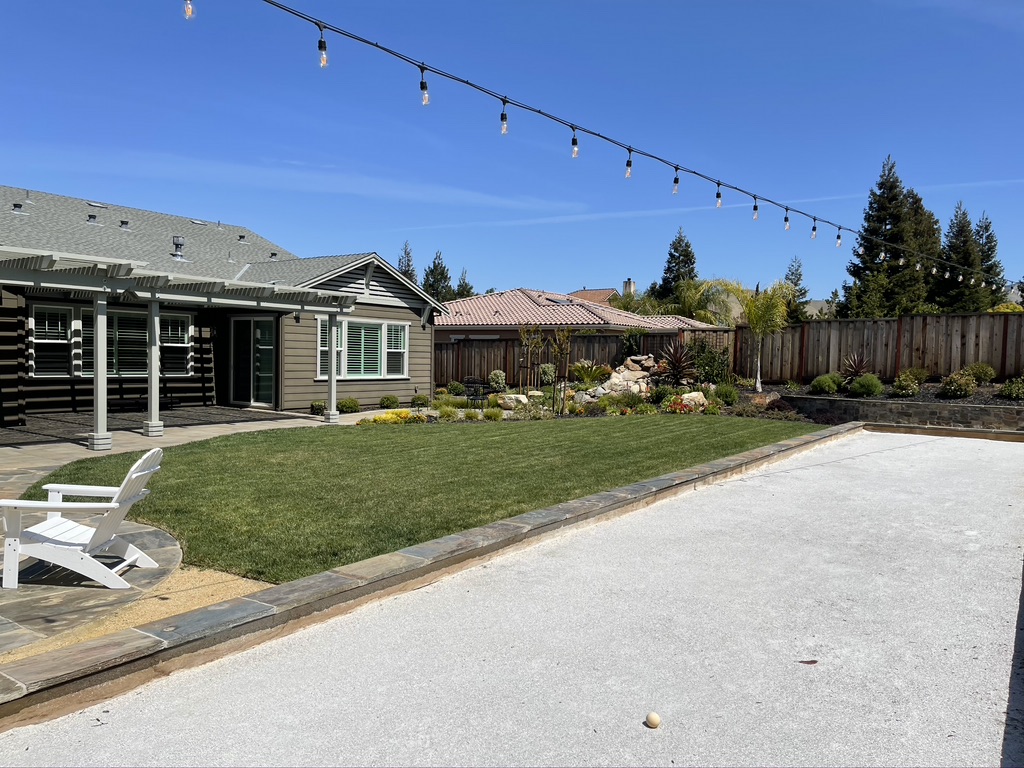
A landscape installation project can dramatically change how you use and experience your property. A well-designed outdoor space can make a backyard more comfortable for entertaining, improve curb appeal, create functional areas for family activities, and make better use of previously underutilized portions of the property. Landscaping is also a construction process. The finished appearance depends on what happens beneath and behind the visible elements.
For example, a beautiful patio may not perform well if the base is improperly prepared. New plants may struggle if the soil has not been appropriately evaluated or amended. Water can collect in unwanted areas when grading and drainage are overlooked. Irrigation problems can create unnecessary maintenance and water usage. Poor coordination between different trades can also lead to delays, inconsistent workmanship, and additional costs. That is why professional landscape installation requires more than aesthetic judgment.
The company you choose should understand how the different elements of your project work together. A walkway needs appropriate preparation and drainage. Planting areas need suitable soil and irrigation. Retaining structures need to account for site conditions and water movement. Outdoor living spaces should be planned around how people will actually use them. For homeowners making a significant investment, the contractor becomes an important part of the project itself.
Start By Defining What You Want To Accomplish
Before comparing landscape installation companies, take some time to define your goals. You don’t necessarily need a finished design. In fact, a qualified professional can help you develop one. But you should have a general understanding of what you want your property to accomplish.
Are you primarily interested in improving curb appeal? Do you want a backyard designed for entertaining? Are you trying to create more usable space for children or pets? Would you like an outdoor dining area? Are drainage problems affecting the yard? Do you want to replace an aging landscape with lower-maintenance plantings? Your priorities will influence which contractor is the best fit.
A company that specializes primarily in small planting projects may not be the right choice for a comprehensive backyard renovation involving hardscape construction, drainage, lighting, irrigation, and multiple outdoor living areas. Similarly, a contractor focused heavily on large-scale hardscape construction may not provide the level of horticultural expertise you need for a highly detailed planting design.
Think about the overall scope rather than focusing on individual features. A $30,000-plus landscape project, for example, should generally be evaluated as a coordinated investment in the property rather than as a list of separate purchases such as pavers, plants, lighting, and irrigation.
Look For Experience That Matches Your Project
Experience matters, but not all experience is equally relevant. A company may have been operating for many years while having limited experience with the specific type of landscape installation you are considering. When reviewing contractors, look for experience that matches your property’s needs and the scale of your project.
For residential landscaping, consider asking:
- How long has the company been performing landscape installation?
- What types of residential properties does it typically work on?
- Does it regularly complete projects comparable in size to yours?
- Has it handled projects involving multiple landscape elements?
- Does it have experience with local site conditions?
- Who manages the project from beginning to completion?
A contractor who routinely manages comprehensive residential projects may be better prepared to coordinate excavation, grading, hardscape construction, irrigation, planting, lighting, and other components.
Experience also helps a contractor anticipate potential problems. Experienced professionals know that existing conditions don’t always match assumptions made from photographs or basic measurements. Soil, drainage, access, existing utilities, slopes, mature vegetation, and other site characteristics can influence the final design and construction process.
The goal is not simply to find the company with the longest history. It is to find a company with relevant experience.
Review the Company’s Landscape Installation Portfolio
A portfolio can tell you a great deal about a landscape installation company. Look beyond whether the photographs are attractive. Ask whether the projects demonstrate the company’s ability to solve problems, coordinate multiple features, and create outdoor spaces that look intentional.
If you want a complete backyard renovation, look for examples of completed outdoor environments rather than only close-up photographs of individual plants or hardscape materials.
Pay attention to:
- Overall layout
- Transitions between hardscape and planting areas
- Material selection
- Plant placement
- Outdoor living areas
- Drainage and grading solutions where visible
- Attention to detail
- Consistency of workmanship
- How well the landscape complements the home
If possible, ask whether the company has completed projects similar to yours in size and complexity. A portfolio is most useful when it helps you understand how the contractor thinks. A strong project should not simply contain expensive materials. It should show thoughtful planning and a cohesive relationship between the home’s architecture and the outdoor environment.
Ask Who Handles The Design
One of the most important questions to ask is who will design your landscape. Some companies provide design and installation under one coordinated process. Others install plans created by an outside landscape designer or architect. Neither approach is automatically better, but you should understand how responsibilities are divided.
A design-build approach can simplify communication because the company responsible for creating the plan is also involved in constructing it. This can make it easier to evaluate whether design decisions are practical from a construction standpoint.
If a separate designer is involved, clarify how the designer and contractor communicate and who is responsible for resolving conflicts or changes. For larger residential landscape installation projects, design should consider more than appearance. It should account for circulation, drainage, irrigation, plant growth, maintenance, lighting, materials, access, and the way the space will be used. A professional should also be willing to explain why certain recommendations are being made.
Insist On A Thorough Property Evaluation
Be cautious of companies that provide a detailed landscape installation estimate without adequately evaluating the property. A professional site assessment allows the contractor to identify conditions that may affect the project.
Depending on the scope, the evaluation may consider:
- Existing grades and slopes
- Soil conditions
- Drainage patterns
- Existing irrigation
- Sun and shade exposure
- Mature trees and vegetation
- Access for equipment and materials
- Existing hardscape
- Property boundaries
- Utility considerations
- Desired circulation
- Potential construction challenges
This process is particularly important for larger projects. A contractor who takes the time to understand the site before pricing the work is generally in a better position to produce a realistic proposal. It also allows you to see how the company approaches problems.
During the consultation, pay attention to the questions the contractor asks. Are they interested in how you use the property? Do they ask about maintenance preferences? Do they discuss drainage? Do they consider how the landscape will look several years after installation? Do they ask about entertaining, privacy, children, pets, or accessibility when those factors are relevant? Good landscape planning begins with understanding the homeowner.
Compare Proposals Carefully
Getting multiple estimates is a smart way to understand the potential cost of your project. Comparing only the final numbers can be misleading. Two companies can provide very different prices because they are proposing different scopes of work. For example, one proposal might include extensive soil preparation, upgraded irrigation components, high-quality planting material, substantial site preparation, and detailed finishing work. Another might use more basic materials or exclude certain preparation tasks.
When comparing proposals, look at what you are actually receiving. A strong proposal should clearly describe the major components of the project, including relevant materials, quantities where appropriate, construction responsibilities, installation work, and other significant elements. Ask questions about anything unclear. If one proposal is significantly less expensive than the others, don’t automatically assume you have found a bargain. Find out why.
Sometimes the difference is completely reasonable. A contractor may have a more efficient process, different material suppliers, or a different design. In other cases, a low bid may reflect omissions that become apparent later. The best comparison is between equivalent scopes of work, not simply between dollar amounts.
Understand the Materials Being Proposed
Materials can have a major impact on both the appearance and longevity of a landscape. For hardscape projects, ask about the proposed paving materials, retaining wall products, edging, base preparation, and other construction components. For planting, ask about plant varieties, sizes, soil amendments, mulch, and irrigation requirements. You don’t necessarily need the most expensive material available. Instead, the materials should be appropriate for the design, climate, use, and expected level of maintenance.
A professional landscape installation company should be able to explain the advantages and limitations of its recommended materials. For example, if you are comparing two types of paving materials, the decision should not be based solely on appearance. Durability, maintenance, installation requirements, drainage, availability, and compatibility with the overall design may all matter.
The same principle applies to plants. A plant that looks beautiful in a nursery photograph may not be appropriate for the specific exposure, soil, irrigation conditions, or mature size of your property.
Evaluate the Company’s Communication
Communication is easy to underestimate before construction begins. During a major landscape project, communication becomes one of the most important factors in your experience. Notice how the company communicates during the sales and planning process.
Does the team answer questions clearly? Does someone explain the next steps? Are estimates and revisions provided in an organized manner? Does the contractor return calls or messages within a reasonable timeframe? These early interactions can give you an indication of how the company may communicate once construction begins.
For larger residential landscape installation projects, establish who your primary point of contact will be. You should know who to contact if you have questions about scheduling, materials, changes, site conditions, or other issues.
A professional company does not need to promise that nothing will ever go wrong. Outdoor construction can involve unexpected conditions. What matters is how clearly and responsibly those issues are communicated when they arise.
Ask About Project Management
Landscape installation can involve multiple phases, and coordination matters. A comprehensive project might include demolition, excavation, grading, drainage, utility coordination, hardscape construction, irrigation, electrical work for lighting, soil preparation, planting, and finishing.
Ask the company how these stages are organized. Who supervises the crew? Who coordinates subcontractors when they are needed? How are materials scheduled? How are changes documented? Who inspects completed work? You should also ask about the anticipated sequence of construction.
Understanding the general process helps set realistic expectations and reduces confusion once work begins. For a major project, a professional landscape installation company should have a defined process rather than simply arriving at the property and determining the next task each day.
Check References and Reviews
References can provide useful insight into what it is actually like to work with a contractor. When reviewing references, ask about more than the appearance of the finished landscape.
Useful questions include:
- Was communication consistent?
- Was the project completed reasonably close to the expected schedule?
- Were costs explained clearly?
- How did the company handle changes or unexpected conditions?
- Did the crew respect the property?
- Were concerns addressed promptly?
- Would the homeowner hire the company again?
Online reviews can also be useful, but look for patterns rather than focusing on one particularly positive or negative comment. A company with many consistent reviews describing good communication, quality work, professionalism, and responsiveness may provide more useful evidence than a contractor with only a handful of testimonials. For a substantial residential investment, references from comparable projects can be particularly valuable.
Confirm the Company’s Professionalism
A professional landscape contractor should be willing to explain how the business operates. Depending on your location and project scope, this may include confirming appropriate business credentials, insurance coverage, contracts, warranties, and other requirements relevant to the work. Don’t hesitate to ask for documentation when appropriate. You should also receive a written agreement that clearly establishes the project scope, price, payment terms, responsibilities, and procedures for changes.
Professionalism is not simply about having a polished website or branded vehicles. It is reflected in the way the company plans, documents, communicates, and executes the project. For high-value landscape installation, those details can protect both the homeowner and the contractor by establishing shared expectations before construction begins.
Don’t Automatically Choose the Lowest Bid
Price is important. It should not be ignored. But the lowest initial estimate is not always the lowest overall cost. A landscape that requires premature repairs, replacement plants, drainage corrections, or hardscape reconstruction can become far more expensive than a properly planned installation.
Instead of asking, “Who is cheapest?” ask, “Which proposal offers the strongest combination of quality, scope, experience, communication, and long-term value?” This is particularly important for projects in the $30,000-plus range.
At that level, homeowners are often making a significant investment in their property. A difference in price may be justified when it reflects better materials, more thorough preparation, stronger project management, or a more comprehensive design. The goal should be value rather than simply a low starting number.
Consider Long-Term Maintenance
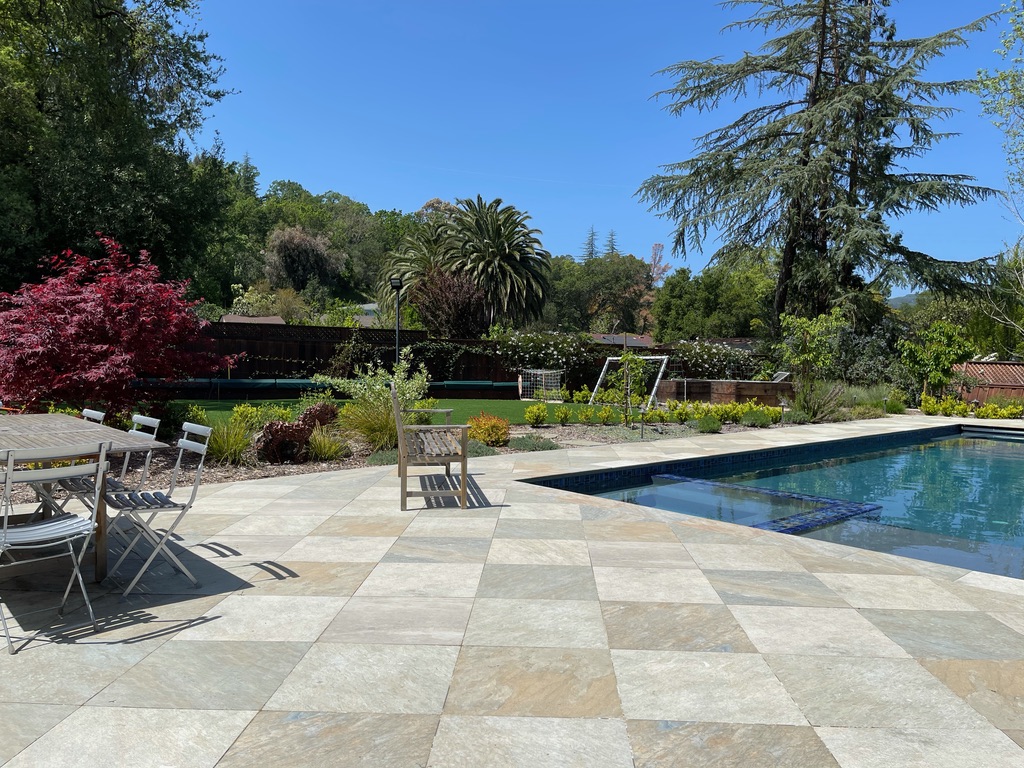
A landscape can look spectacular immediately after installation and still become difficult to maintain later. When reviewing a landscape plan, think beyond the first season. Ask how large plants are expected to become. Consider irrigation requirements, pruning needs, seasonal changes, leaf drop, access for maintenance, and how different materials will age. If your priority is a low-maintenance landscape, communicate that clearly before design decisions are finalized.
A professional company should help you balance appearance with practical maintenance requirements. This is another reason professional landscape installation can provide value. A qualified contractor can consider how different design decisions will affect the property after construction is complete.
Look At The Landscape As A Complete System
One of the strongest indicators of a quality landscape installation company is the ability to think about the entire property. A landscape is not simply a collection of plants, patios, walls, lighting fixtures, and irrigation lines. These elements interact.
The location of a patio can affect circulation. Grading influences drainage. Drainage affects planting areas. Plant selection influences irrigation. Trees affect shade and future maintenance. Lighting can influence how outdoor areas are used after sunset.
When these elements are planned independently, the finished landscape can feel disconnected. When they are coordinated, the result is more functional and visually cohesive. For homeowners investing in a comprehensive residential landscape installation, this systems-level approach can make a meaningful difference.
Ask Questions Before Signing A Contract
A good contractor should welcome reasonable questions.
Before signing, make sure you understand:
- What work is included in the project?
- What materials are being used?
- Who handles design and construction?
- What preparation is included?
- How will changes be priced and approved?
- What is the anticipated project schedule?
- Who supervises the work?
- How will unexpected site conditions be handled?
- What maintenance is expected after installation?
- What warranties or workmanship assurances apply?
You don’t need to become a construction expert before hiring a landscape contractor. Your goal is simply to understand what you are buying and how the company intends to deliver it. If a contractor becomes evasive when asked basic questions about scope, materials, pricing, or process, consider that a warning sign.
Watch for Common Red Flags
Certain warning signs deserve additional attention. Be cautious if a company pressures you to make an immediate decision without giving you adequate time to review the proposal. Be careful with vague estimates that don’t explain the scope of work. An unusually low price should also prompt questions, particularly when other qualified contractors are proposing substantially higher amounts for similar work.
Other concerns include poor communication, unwillingness to provide a written agreement, unclear responsibility for design, and lack of relevant project examples. Another potential problem is a contractor who promises an unrealistically short schedule without explaining how the work will be coordinated. Landscaping is affected by weather, material availability, site conditions, and construction sequencing. A responsible contractor should provide realistic expectations rather than making promises simply to win the project.
How To Choose Between Two Good Landscape Installation Companies
Sometimes your research will leave you with two or three qualified companies. At that point, focus on fit. Compare how well each contractor understands your goals. Look at the quality and completeness of the proposals. Consider how clearly each company communicates. Review comparable projects. Think about whether you trust the team to manage a substantial investment.
You can also compare the design process.
- Which company asked better questions?
- Which one identified potential site challenges?
- Which proposal gave you a clearer understanding of the finished project?
- Which contractor seemed to care about how the landscape would function several years from now?
The right choice is often the company that gives you the greatest confidence in the complete process, not necessarily the one with the lowest estimate.
Questions To Ask During Your Landscape Consultation
A consultation is an opportunity to evaluate the contractor as much as the contractor evaluates your property. Start by explaining what you like and dislike about your existing landscape. Describe how you want to use the space and identify the features that matter most. Then ask the contractor to explain how they would approach the project.
Instead of asking only, “How much will this cost?” consider questions such as:
- “How would you improve the flow between the house and backyard?”
- “What site conditions could affect this project?”
- “How would you address drainage?”
- “What type of maintenance should I expect?”
- “What elements would you prioritize if we wanted to stay within a specific budget?”
- “What should we plan for now to avoid expensive changes later?”
These questions encourage a more useful conversation. They also help reveal whether the contractor is simply selling individual services or genuinely thinking about your property’s long-term needs.
How to Plan a $30,000+ Landscape Installation
For a larger project, begin with a realistic budget rather than a shopping list. A defined budget helps the landscape professional determine where to allocate resources. For example, you may decide that an outdoor living area is more important than extensive ornamental planting or that drainage improvements should take priority over decorative features. Large projects are often easier to manage when divided into priorities.
Your “must-have” elements might include drainage, grading, a patio, and an irrigation system. Secondary features might include additional planting, lighting, decorative walls, or other enhancements. This does not necessarily mean you have to build the project in multiple phases. It simply gives your contractor a clear understanding of where your budget should be focused. It can also reduce the likelihood of making expensive decisions late in the process.
A professional landscape installation company should be able to discuss options that preserve the overall vision while helping you make informed choices about where to invest.
What Makes Professional Landscape Installation Different?
Professional landscape installation combines design thinking, construction knowledge, horticultural understanding, and project management. That combination becomes especially important as the project becomes more complex.
A professional approach considers the entire installation, including what happens before, during, and after construction. It addresses site preparation, material selection, installation methods, plant placement, drainage, irrigation, finishing details, and the homeowner’s expectations.
The value is not simply in having someone perform the physical work. It is in having a coordinated process that increases the likelihood that the finished landscape will perform as intended.
For homeowners planning a significant outdoor renovation, this distinction can be important. A landscape may look simple when viewed from the finished photograph, but successful installation often depends on dozens of decisions that are not immediately visible.
Why Residential Landscape Installation Should Be Personalized
Every residential property is different. Two homes on the same street may have different grades, soil conditions, sunlight, drainage patterns, architectural styles, family needs, and maintenance preferences. That is why a strong landscape installation plan should be customized.
A family that regularly hosts outdoor gatherings may prioritize entertaining space and lighting. Another homeowner may want privacy and a quiet garden. Someone with children or pets may need durable open areas. A homeowner preparing to age in place may place greater importance on accessible paths and comfortable outdoor areas. Your landscape should support the way you actually live. The right contractor will listen before recommending solutions.
The Best Landscape Installation Company Is A Long-Term Partner
A successful landscape project does not end when the final plant is installed, or the last paver is placed. The finished landscape will continue to evolve. Plants mature, materials, weather, and irrigation systems require attention, and homeowner needs can change. Choosing a contractor who thinks beyond installation can therefore be valuable.
Ask about the company’s approach to post-installation questions and ongoing landscape needs. Even if maintenance is handled by another provider, you should understand how the installed landscape is expected to be cared for. A thoughtful contractor will want the finished project to remain successful after construction is complete.
Final Remarks
Choosing the right company for landscape installation requires more than comparing estimates. Your outdoor space is a long-term investment, and the quality of the finished result depends heavily on the planning, experience, communication, and craftsmanship of the company you hire. Start by defining what you want your property to accomplish. Then look for a contractor with relevant residential experience, a strong portfolio, a thoughtful design process, and a willingness to evaluate the property thoroughly before recommending solutions.
Compare proposals based on scope and value rather than price alone. Ask about materials, site preparation, project management, communication, scheduling, maintenance, and how unexpected conditions will be handled. For larger projects, especially investments of $30,000 or more, these details can be just as important as the visual design.
Most importantly, look for a company that sees your landscape as a complete environment. The best professional landscape installation combines beauty with function, durability, practical maintenance, and thoughtful planning. When you choose a contractor who understands both your property and your goals, the result can be more than a new yard. It can become a carefully designed extension of your home, one that improves how you live outdoors, adds lasting value, and gives you a landscape you can enjoy for years.
Frequently Asked Questions
1. How Do I Choose a Good Landscape Installation Company?
Start by looking for a company with relevant residential experience, a strong portfolio, clear communication, and a well-defined installation process. Ask for examples of projects similar to yours and make sure the proposal clearly explains the scope, materials, pricing, and expected schedule. It is also important to evaluate how the company approaches your property. A good contractor should ask questions about your goals, lifestyle, maintenance preferences, drainage, site conditions, and budget before recommending a solution.
Don’t base your decision solely on the lowest estimate. For a substantial landscape investment, experience, workmanship, planning, and communication can have a significant impact on the final result.
2. How Much Does Residential Landscape Installation Cost?
Residential landscape installation costs vary considerably depending on the size of the property, design complexity, materials, site conditions, labor, and features included in the project. A simple planting project may cost significantly less than a comprehensive landscape renovation involving patios, retaining walls, drainage, irrigation, lighting, grading, and extensive planting.
For larger projects, it is better to establish a realistic budget and discuss priorities with the contractor. A professional can help determine how the available budget should be allocated among the most important improvements. Rather than focusing only on a price per square foot, homeowners should compare complete scopes of work to understand what each contractor is actually proposing.
3. What Should Be Included In A Landscape Installation Proposal?
A detailed proposal should clearly describe the major components of the project. Depending on the scope, this may include site preparation, demolition, grading, drainage, hardscaping, planting, irrigation, lighting, materials, labor, cleanup, and other relevant work. The proposal should also identify important exclusions or allowances when applicable.
For a large project, ask questions about anything that seems unclear. You should understand what the contractor is responsible for, how changes will be handled, and how additional work will be priced if unexpected site conditions arise. A clear proposal helps both the homeowner and contractor begin the project with the same expectations.
4. Should I Hire A Landscape Designer Or A Landscape Installation Contractor?
The answer depends on the complexity of your project and how the companies you are considering structure their services. Some landscape companies offer design and installation together, creating a coordinated design-build process. Others work with independent landscape designers or architects.
For a comprehensive residential project, having design and installation closely coordinated can simplify communication and help ensure that the proposed design is practical to construct. If you hire separate professionals, make sure you understand who is responsible for design, construction coordination, revisions, and resolving questions that arise during installation.
5. How Long Does Professional Landscape Installation Take?
The timeline depends on the project’s size, complexity, site conditions, materials, weather, and the number of construction phases involved. A relatively small planting project may be completed quickly, while a comprehensive landscape installation involving excavation, grading, drainage, hardscaping, irrigation, lighting, and extensive planting can take considerably longer.
Ask the contractor for a realistic schedule and an explanation of the major project phases. Keep in mind that outdoor construction can be affected by weather and material availability. A responsible contractor should provide reasonable expectations rather than promising an unrealistically short completion time.
6. What Questions Should I Ask a Landscape Contractor Before Hiring Them?
Ask about the contractor’s experience, comparable projects, design process, materials, site evaluation, project management, communication, scheduling, and written agreement. You should also ask who will supervise the work, how changes will be handled, what happens if unexpected site conditions are discovered, and what type of post-installation support is available.
For larger projects, ask the contractor to explain the reasoning behind major recommendations. Their answers can help you determine whether they are developing a comprehensive solution or simply selling individual landscape features.
7. Is Professional Landscape Installation A Worthwhile Investment?
Investing in professional landscape installation can be a smart choice when you want an outdoor space that is attractive, functional, durable, and thoughtfully planned, especially for projects involving extensive construction or multiple design elements.
A professional installation team can coordinate important components such as grading, drainage, irrigation, planting, hardscaping, and outdoor lighting. Proper coordination helps ensure that each part of the landscape works together rather than creating conflicts or problems later. The benefits can be especially significant for larger or more complex projects, where installation mistakes may be costly and time-consuming to fix.
Start Your Residential Landscape Installation With a Proven Local Team
A great landscape starts with more than choosing plants and materials. Poor planning, disconnected contractors, drainage problems, irrigation mistakes, and improper installation can turn an exciting project into an expensive headache. Vince’s Landscaping takes a different approach to landscape installation, bringing design, construction, and installation together so every part of your outdoor space works as one complete plan.
Since 1982, our family-owned team has helped East Bay homeowners transform outdated and underused yards into outdoor spaces designed around the way they actually live. From hardscaping and planting to irrigation, lighting, outdoor living areas, and complete landscape installation, our experienced crews manage the project from start to finish with careful planning and open communication.
If you’re ready to invest in a landscape that looks great, functions properly, and is built to last, Vince’s Landscaping can help. Schedule a consultation and discover what professional landscape design and installation can do for your home.
Disclaimer
The materials available on this website are provided for general informational and educational purposes only. They are not intended to serve as professional design, construction, engineering, architectural, legal, or other specialized advice for any specific property or project.
Every landscape project is different, and conditions such as grading, drainage, soil, irrigation, existing structures, local codes, permitting requirements, and site access can affect the appropriate design and construction approach. You should consult with a qualified landscape professional, contractor, landscape architect, engineer, or other appropriate professional before making decisions based on information provided on this website.
Do not act or refrain from acting solely based on the content of this site. Information may change over time and may not reflect current building codes, regulations, industry standards, product specifications, or site-specific requirements. Vince’s Landscaping disclaims liability for actions taken or not taken based on the information contained on this website to the fullest extent permitted by law.
Recent Comments