
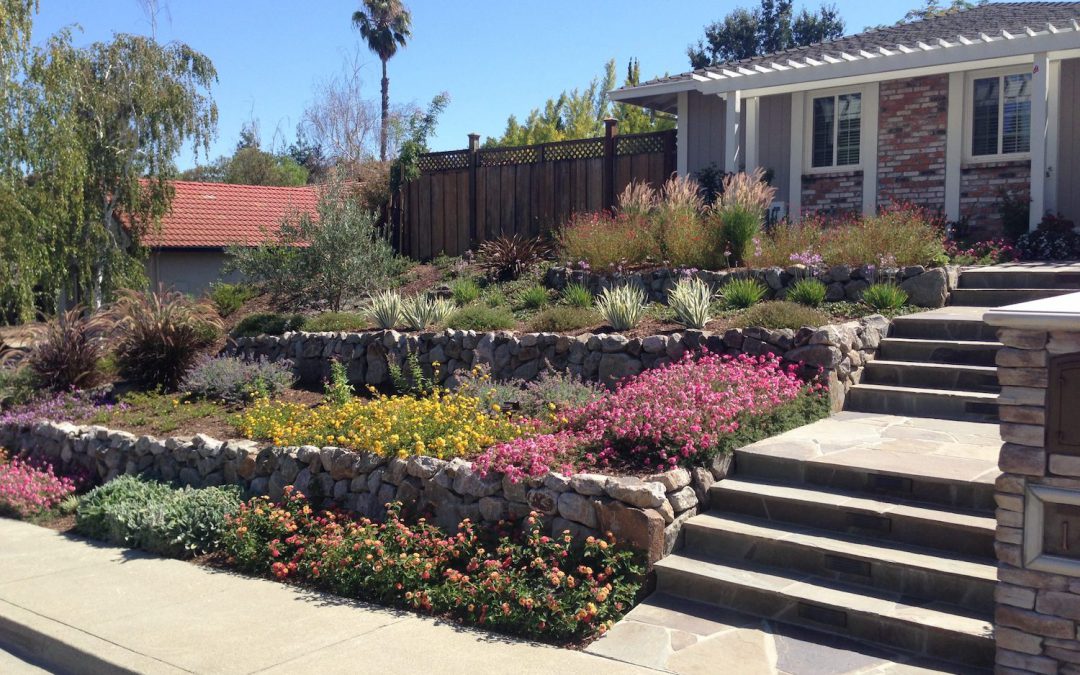
A beautiful landscape can completely change the way a property looks, feels, and functions. New planting beds, patios, walkways, outdoor kitchens, retaining walls, irrigation systems, lighting, and carefully selected plants can turn an ordinary yard into a comfortable outdoor living space. But before committing to a major project, many homeowners have one practical question: How long does a professional landscape installation take?
The short answer is that there is no single timeline for every property. A small landscape refresh may take only a few days, while a comprehensive residential landscape installation involving hardscaping, drainage, irrigation, planting, lighting, and custom outdoor features can take several weeks or longer.
For higher-value projects, particularly landscapes involving a $30,000 or greater investment, understanding the installation process is just as important as choosing the design. A realistic schedule helps homeowners coordinate access to the property, prepare for temporary disruptions, understand project milestones, and make informed decisions about materials and upgrades.
A professional landscape installation is more than planting a few shrubs and spreading mulch. It can involve site preparation, grading, excavation, drainage, utility coordination, hardscape construction, irrigation, electrical work, soil preparation, planting, finishing, and cleanup. Each stage has to be completed in the right sequence.
This guide explains how long landscape installation typically takes, what affects the schedule, what happens during each phase, and how homeowners can help keep their project moving.
Key Takeaways
- A small landscape installation may take several days, while a comprehensive project can take several weeks or more.
- The size and complexity of the design are two of the biggest factors affecting the installation timeline.
- Hardscaping, drainage, grading, irrigation, lighting, and outdoor structures can significantly extend the schedule.
- Site preparation should not be rushed because proper grading, soil preparation, and drainage can affect the landscape for years.
- Weather, material availability, plant availability, site conditions, and project changes can influence the completion date.
- Larger $30,000+ landscape projects generally require more planning, coordination, and construction than simple landscape refreshes.
- Hiring an experienced landscape installation contractor can help homeowners establish a realistic schedule and coordinate the different phases efficiently.
What Is Landscape Installation?
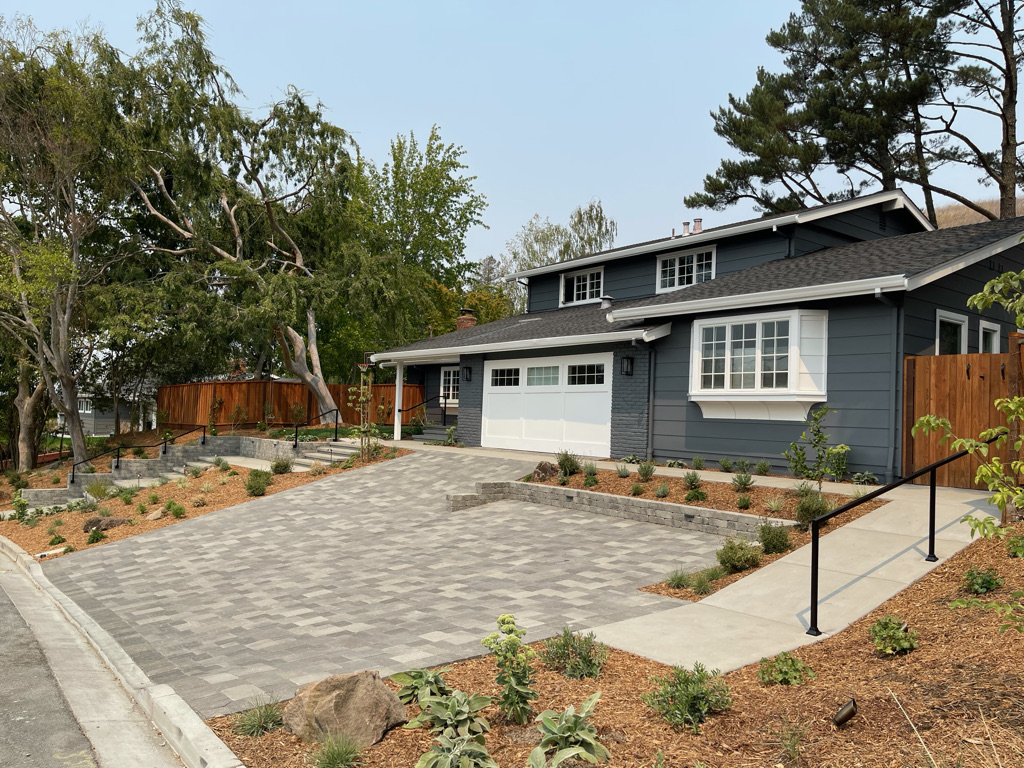
Landscape installation is the process of transforming a landscape plan or design into a completed outdoor environment. Depending on the scope of the project, installation may include everything from basic planting to extensive construction and outdoor living improvements.
A professional project might include:
- Site clearing and preparation
- Grading and drainage improvements
- Soil amendment and preparation
- Trees, shrubs, flowers, and ground cover
- Lawn or alternative groundcover installation
- Patios and outdoor living areas
- Walkways and garden paths
- Retaining walls
- Irrigation systems
- Landscape lighting
- Fences, gates, and privacy features
- Outdoor kitchens or gathering areas
- Fire features
- Decorative stone, mulch, or other finishes
Because every property is different, two projects with similar square footage can have very different timelines. For example, installing new planting beds on an already-prepared property may be relatively straightforward. Installing a complete backyard with a new patio, retaining walls, drainage improvements, irrigation, landscape lighting, mature trees, and an outdoor kitchen requires considerably more work. That is why homeowners should evaluate a landscape project based on its scope and complexity, rather than square footage alone.
Average Timeline for Landscape Installation
A straightforward landscape installation can sometimes be completed in several days. Medium-sized projects often take one to three weeks, while extensive residential landscapes may require several weeks or more. These are general planning ranges rather than guarantees because site conditions and project requirements vary. A simple project might involve planting, mulch, decorative rock, and a small amount of grading. A more involved project could require excavation, concrete or masonry work, irrigation installation, electrical work, drainage, and extensive planting.
For a larger project, the installation may also be divided into phases. Hardscape construction could occur first, followed by irrigation and electrical work, soil preparation, planting, and final cleanup. The most useful question to ask a contractor is not simply, “How many days will this take?” Instead, ask for a project schedule that explains the major phases and expected duration of each one. This provides a much clearer understanding of how the project will progress.
What Determines the Timeline for Landscape Installation?
Several factors influence how quickly a landscape can be installed. Some are within the contractor’s control, while others depend on weather, suppliers, site conditions, or homeowner decisions.
1. The Size Of The Property
The larger the installation area, the more time may be required for preparation, construction, planting, irrigation, and finishing. A small front yard with several planting beds may be completed relatively quickly. A large property with multiple outdoor zones requires more labor and coordination. Large properties may also have different landscape conditions from one area to another. One section may require grading, another may need drainage, and another may involve extensive planting or hardscape construction.
2. The Complexity Of The Design
Complexity is often more important than size. A relatively small backyard can become a substantial construction project if it includes a custom patio, outdoor kitchen, retaining wall, drainage system, irrigation, lighting, and specialty planting. A larger property with simple planting and lawn installation could potentially be completed more quickly. The more individual components a project contains, the more carefully the phases need to be coordinated.
3. The Hardscape Construction
Hardscaping can add significant time to a landscape installation. Patios, walkways, retaining walls, seat walls, steps, outdoor kitchens, fire features, and other masonry or concrete elements typically require excavation and a properly prepared base before the finished surface can be installed.
Some materials also require setting or curing time. For example, a concrete patio cannot necessarily be treated like a simple planting bed. The ground must be prepared, the appropriate base and reinforcement installed when required, and the material allowed to develop sufficient strength before certain activities take place. Paver installations have their own preparation requirements, including excavation, base construction, leveling, and edge restraint. When a landscape includes extensive hardscape, homeowners should expect construction to take longer than a project focused primarily on plants.
4. Landscape Grading and Drainage
Water management is one of the most important parts of a successful landscape. If a property has standing water, poor drainage, erosion, steep slopes, or water flowing toward the house, those problems may need to be addressed before planting or hardscape installation begins.
Grading can involve moving substantial amounts of soil. Drainage improvements may require trenches, catch basins, drainage piping, gravel, soil modifications, or other solutions appropriate to the site. These tasks can add time, but they are often essential. A landscape that looks beautiful immediately after installation can develop serious problems if water is not managed properly. Addressing drainage during installation can help protect plants, hardscape, structures, and the overall usability of the property.
5. Irrigation Installation
New plants need appropriate water to become established, particularly during the early stages after installation. If an existing irrigation system is inadequate, a new or upgraded system may be part of the project. Irrigation installation can involve trenching, pipe installation, valves, controllers, sprinkler heads, drip irrigation, and system testing. The time required depends on the size of the system and the complexity of the planting plan. A professional contractor may also divide irrigation into different zones based on the water requirements of different plants and landscape areas.
6. Plant Selection and Availability
Plant availability can affect the schedule, especially when homeowners request specific varieties, mature specimens, or specialty plants. Some plants are readily available from local nurseries. Others may need to be sourced from specialty growers or ordered in advance. Large trees can require additional planning because transportation, access, equipment, and placement may all need to be coordinated. For major landscape projects, choosing plants early can reduce delays and make it easier for the contractor to coordinate procurement.
7. The Weather
Weather is one of the factors contractors cannot fully control. Heavy rain can make excavation difficult, create muddy working conditions, interfere with grading, and affect certain construction activities. Extreme heat may also affect workers, plants, soil, and materials. Weather does not necessarily stop every type of landscape work, but it can change the order in which tasks are performed. Experienced contractors generally build some flexibility into larger project schedules because outdoor construction is naturally affected by changing conditions.
A Typical Professional Landscape Installation Timeline
Although each project is unique, understanding the general sequence can help homeowners visualize what happens from beginning to end.
Phase 1: Planning and Site Assessment
Before installation begins, the contractor needs to understand the property. This may involve evaluating existing vegetation, drainage, grading, soil conditions, access, utilities, structures, sunlight, and the homeowner’s goals. For larger projects, planning may also involve detailed drawings, material selections, measurements, and coordination among different trades. This stage can take anywhere from several days to several weeks depending on the size and complexity of the project. The more comprehensive the landscape, the more valuable detailed planning becomes.
Phase 2: Site Preparation
Once the plan is finalized, physical work can begin. Site preparation may include removing unwanted plants, old landscape materials, debris, damaged hardscape, or other obstacles. Contractors may also prepare areas for excavation, construction, planting, and drainage. If extensive grading is required, heavy equipment may be used to reshape portions of the property. Site preparation is sometimes overlooked because it does not provide the immediate visual impact of new plants or a finished patio. It establishes the foundation for everything that follows.
Phase 3: Landscape Drainage and Grading
If the landscape requires changes to the property’s elevation or drainage, these improvements are typically addressed before finishing the landscape. The goal is to create appropriate slopes and establish a strategy for directing and managing water. Depending on the property, this can be one of the most time-consuming stages of installation. A complicated hillside property, for example, can require substantially more preparation than a relatively flat yard.
Phase 4: Landscape Hardscape Installation
After major site preparation, hardscape features can be constructed.
This might include:
- Patios
- Walkways
- Retaining walls
- Steps
- Outdoor kitchens
- Fire features
- Seating areas
- Decorative walls
Hardscape construction generally follows a carefully planned sequence because many components depend on proper excavation, base preparation, drainage, dimensions, and elevation. For larger projects, this phase can take several days or weeks depending on the number and size of features.
Phase 5: Irrigation and Landscape Lighting
Irrigation and lighting are often coordinated around the construction and planting phases. Irrigation lines may need to be installed before certain areas are finished. Lighting wiring may also need to be placed before final surfaces or planting beds are completed. Good coordination is important because installing these systems too late can require disturbing completed areas.
Phase 6: Soil Preparation
Before plants are installed, the soil may need to be improved. Depending on site conditions, preparation could include grading, adding amendments, improving drainage, removing poor-quality soil, or incorporating organic material. Healthy soil provides a better environment for roots and can support the long-term performance of the landscape.
Phase 7: Plant Installation
Planting is the stage where the landscape often begins to look dramatically different. Trees, shrubs, perennials, ornamental grasses, groundcovers, flowers, and other plants are placed according to the design. The contractor needs to account for spacing, mature plant size, sunlight, drainage, irrigation requirements, and the relationship between different plants. A well-designed landscape should not simply look good on installation day. It should also have room to mature without becoming overcrowded.
Phase 8: Final Details and Cleanup
The final stage may include installing mulch or decorative rock, adjusting irrigation, completing landscape lighting, cleaning hardscape surfaces, removing construction debris, and addressing small finishing details. The contractor may also review the completed landscape with the homeowner and explain basic maintenance requirements. At this point, the physical installation may be complete, but the landscape’s development is only beginning.
How Long Does A $30,000+ Landscape Project Take?
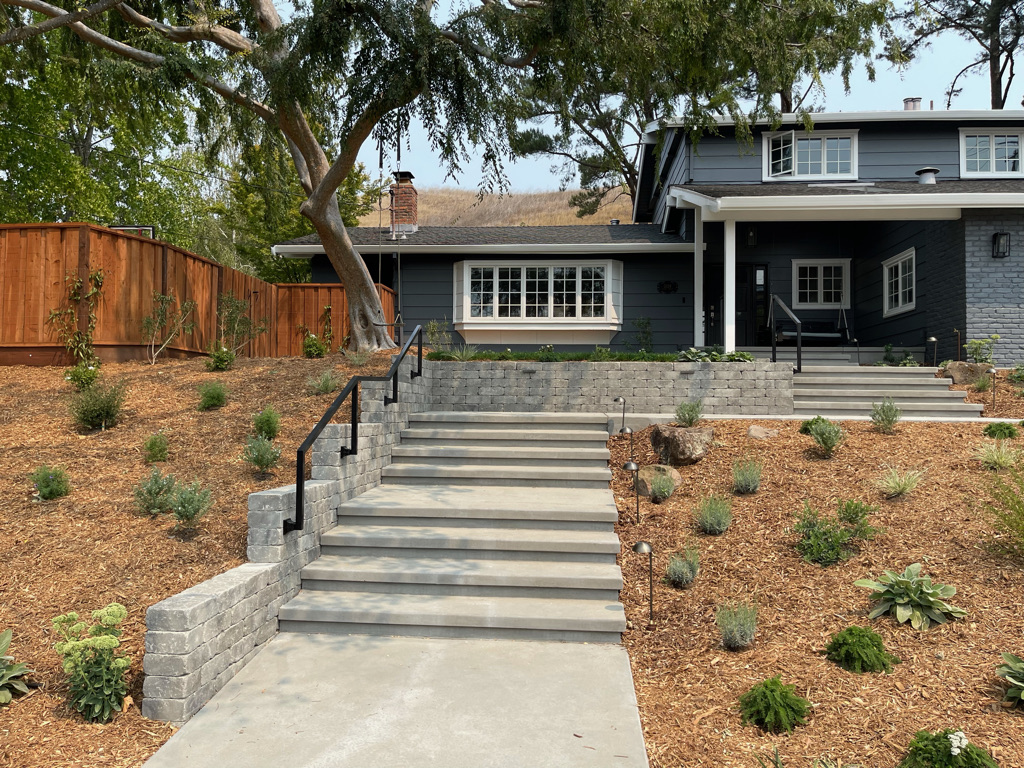
A landscape project costing $30,000 or more often involves significantly more than basic planting. The budget may include substantial hardscaping, drainage, irrigation, lighting, outdoor living features, extensive planting, grading, or custom construction. Because there are more components, the project generally requires more coordination. A larger landscape may take several weeks from the start of physical construction to completion. Some especially complex projects can take longer.
Project cost alone does not determine duration. A $30,000 landscape focused on a relatively simple outdoor living area may have a different timeline from a $30,000 landscape involving extensive grading, retaining walls, drainage, mature trees, multiple patios, and complicated planting. For higher-value projects, homeowners should request a detailed scope of work and project schedule before construction begins.
This can help clarify:
- What work happens first
- Which phases depend on others
- When major materials are expected
- When the property will be substantially disrupted
- Which items could affect the schedule
- What the expected completion milestone looks like
A clear schedule can make a major landscape investment feel much more manageable.
Residential Landscape Installation: What Homeowners Should Expect
A residential landscape installation requires careful consideration of how the property will actually be used. A landscape is not simply a visual improvement. It can become an extension of the home. For example, a family may want an outdoor dining area near the kitchen, a lawn for children, a shaded seating area, a private garden, or a low-maintenance landscape for easier upkeep. These goals influence both the design and the installation process. Homeowners should also expect some temporary disruption.
Depending on the project, equipment and materials may need to enter the property. Soil may be excavated, construction materials may be staged, and portions of the yard may be inaccessible during certain phases. Planning can make this easier. If the project includes an outdoor kitchen or patio, homeowners may want to think about where they will eat or entertain while construction is underway. If the front yard is being renovated, temporary access routes may need to be considered. Communication with the contractor is especially important during this period.
Can A Landscape Installation Be Completed Faster?
Sometimes a project can be accelerated, but faster is not always better. Landscape construction involves foundational work that should not be rushed. Improper grading, inadequate base preparation, poor drainage, rushed planting, or incomplete irrigation installation can create problems that cost more to fix later. Instead of simply asking a contractor to finish as quickly as possible, homeowners should ask how the schedule can be made efficient without compromising quality. Several decisions can help.
Finalizing selections early can prevent delays caused by last-minute changes. Having the site accessible can improve productivity. Choosing readily available materials and plants may shorten procurement time. Clear communication is also important. Changes made after construction begins can interrupt the sequence of work. Even a seemingly small change may require materials to be reordered, completed work to be modified, or multiple crews to adjust their schedules.
What Can Delay a Landscape Installation?
Some delays are predictable, while others are discovered only after work begins.
- Unexpected Site Conditions: Contractors may uncover buried concrete, old irrigation lines, unsuitable soil, unexpected drainage problems, or other conditions that were not visible during the initial assessment. Resolving these issues may require additional work.
- Material Delays: Specialty pavers, stone, lighting components, irrigation equipment, or custom features may have longer lead times than standard materials. Selecting materials early can reduce this risk.
- Weather: Rain, excessive heat, or other unfavorable conditions can affect excavation, grading, concrete work, planting, and other outdoor tasks.
- Design Changes: Changing the design during construction is one of the most common ways to disrupt a project schedule. Adding a feature, moving a patio, changing materials, or significantly altering plant selections may require work to be redesigned or reordered.
- Access Limitations: Properties with narrow gates, steep driveways, limited parking, or restricted equipment access may require additional labor or specialized equipment.
These conditions can influence how quickly materials and equipment can be moved around the site.
The Benefits Of Professional Landscape Installation
A landscape may appear simple from the surface, but a successful installation involves many interconnected systems. Plants depend on suitable soil, appropriate water, drainage, sunlight, and adequate space. Hardscape depends on proper excavation, grading, base preparation, and installation techniques. Irrigation depends on thoughtful zoning and correct placement. This is where professional landscape installation provides value. An experienced contractor can coordinate the different phases instead of treating each element as an isolated task.
Professional installation can also help homeowners avoid expensive mistakes. Poor drainage, inadequate soil preparation, improperly installed hardscape, or poorly planned irrigation may not become obvious immediately. The goal is not simply to finish construction. It is to create a landscape that performs well over time.
Preparing Your Property for Landscape Installation
Homeowners can help keep a project moving by making decisions before construction begins. Start by identifying how you want to use the property. Do you want an entertainment space, a private retreat, a children’s play area, a garden, or a combination of several functions? Then consider which features matter most. For a major project, it can be helpful to separate must-have features from optional upgrades. This gives the contractor a clearer understanding of priorities and makes budget decisions easier.
Finalize important selections as early as possible. This includes major hardscape materials, lighting styles, irrigation preferences, plant palettes, and outdoor features. It is also helpful to discuss access and daily routines with the contractor. Knowing when workers will arrive, where materials will be stored, and which parts of the property will be unavailable can make construction less disruptive. Most importantly, communicate throughout the project.
A professional contractor should be able to explain what is happening, what comes next, and whether anything has changed from the original schedule.
How To Choose A Landscape Installation Contractor
Choosing the right contractor is one of the most important decisions homeowners make during a major landscape project. Look beyond photographs of finished landscapes. Ask about the contractor’s experience with projects similar to yours. A company that primarily handles small planting jobs may not be the best fit for a complex landscape involving extensive hardscape, drainage, irrigation, lighting, and outdoor living construction.
Ask potential contractors about their process. How do they prepare the site? How do they handle drainage? Who coordinates different phases? How are material selections managed? How do they communicate schedule changes? It is also important to understand what is included in the proposal. A detailed proposal should provide a clear description of the work rather than simply offering a single total price. For a substantial project, homeowners should understand the scope, materials, major phases, and expectations before work begins. Good communication is often a strong indicator of how the project will be managed.
Landscape Installation Is An Investment In How You Use Your Property
A professionally installed landscape can provide much more than curb appeal. A thoughtfully designed backyard can create a place to host friends and family. A well-planned patio can provide an outdoor dining area. Strategic trees and planting can improve privacy and create shade. Pathways can make the property easier to navigate, while lighting can extend the usability of outdoor spaces into the evening. For homeowners investing $30,000 or more, the objective should be to create a cohesive outdoor environment rather than simply adding individual features. That requires planning.
A patio should relate naturally to the home’s architecture. Planting should complement hardscape. Irrigation should support the landscape rather than become an afterthought. Drainage should be addressed before problems develop. When these elements are planned together, the result can feel intentional and integrated.
What Happens After Landscape Installation?
The end of construction does not mean the landscape has reached its final appearance. New plants need time to establish. Trees and shrubs will grow, perennials will fill in, and seasonal plants will change throughout the year. The first few months can be particularly important.
Watering must be appropriate for the new plants and adjusted as conditions change. Irrigation systems may require monitoring and adjustments. Mulch may need to be maintained, and newly planted trees may require additional attention during establishment.
A professional contractor should be able to explain the maintenance requirements associated with the new landscape. For homeowners seeking a lower-maintenance property, maintenance requirements should be considered during the design stage rather than after installation. Plant selection, irrigation design, hardscape choices, and the amount of lawn can all influence future maintenance.
How To Plan Your Landscape Installation Timeline
The best way to plan a landscape project is to think about it as a process rather than a single construction date. Start with the design and scope. Determine what you want to build, how you want to use the property, and which features are priorities. Next, discuss the project with a qualified landscape installation contractor. A site assessment can reveal conditions that may influence the schedule, including drainage, grading, soil, access, and existing landscape conditions. Once the design and scope are established, finalize major material and plant selections as early as practical.
Before construction begins, ask for a realistic schedule that identifies the major phases. Keep in mind that an estimated completion date is different from a guaranteed date. Outdoor construction is affected by factors such as weather, site conditions, material availability, and changes requested during the project. The goal should be a schedule that is realistic, transparent, and flexible enough to accommodate reasonable adjustments.
Final Remarks
So, how long does a professional landscape installation take? For a simple project, the work may be completed within several days. A medium-sized residential landscape may require one to three weeks, while a comprehensive landscape involving substantial hardscape, drainage, grading, irrigation, lighting, and outdoor living features can take several weeks or longer. The most important factor is not simply the number of days on the calendar. A successful landscape installation requires the right work to happen in the right order.
Site preparation needs to be completed before many finishing elements can be installed. Drainage and grading need to be addressed before the landscape is finalized. Hardscape needs a proper foundation. Irrigation and lighting need to be coordinated with construction. Plants need suitable soil, water, and space to establish successfully. For homeowners considering a major landscape investment, particularly a project valued at $30,000 or more, careful planning can make the entire process easier to understand.
A qualified landscape installation contractor can assess the property, explain the scope of work, establish realistic expectations, coordinate the different phases, and help turn a landscape concept into a functional outdoor environment. The result should not simply be a yard that looks finished. It should be a landscape designed to work for the way you live, complement your property, and remain enjoyable for years to come.
Frequently Asked Questions
1. How Long Does a Typical Landscape Installation Take?
A simple landscape installation may take several days, while a more comprehensive residential project can take several weeks or longer. The timeline depends on factors such as property size, design complexity, grading, drainage, hardscape construction, irrigation, lighting, plant availability, weather, and site access. The best way to determine the expected duration is to have a professional contractor evaluate the property and provide a project-specific schedule.
2. What Takes The Longest During Landscape Installation?
Hardscape construction, grading, drainage improvements, and extensive site preparation can be among the most time-consuming parts of a landscape installation. Projects involving patios, retaining walls, outdoor kitchens, extensive excavation, or difficult slopes may require considerably more time than projects focused primarily on planting. Plant installation itself may happen relatively quickly once the site has been properly prepared.
3. Does Residential Landscape Installation Take Longer Than Commercial Landscaping?
Not necessarily. The timeline depends primarily on the scope and complexity of the project rather than whether the property is residential or commercial. A large residential landscape with multiple outdoor living areas and substantial hardscape may take longer than a small commercial planting project. Likewise, a large commercial property can require extensive work and take significantly longer than most residential projects.
4. Can Weather Delay a Professional Landscape Installation?
Yes. Weather can affect excavation, grading, concrete work, planting, and other outdoor construction activities. Heavy rain may make soil difficult to work with, while extreme conditions can affect workers and newly installed plants. Experienced contractors generally account for some weather-related flexibility when creating project schedules.
5. How Long Does A $30,000 Landscape Project Take?
A $30,000 or greater landscape project may take several weeks or longer depending on the scope. Projects involving patios, outdoor kitchens, retaining walls, drainage, irrigation, lighting, extensive grading, and significant planting generally require more time than a basic landscape renovation. Project cost alone does not determine the schedule. The number and complexity of individual components are more useful indicators.
6. Should Landscaping Be Installed All At Once?
Not always. Larger landscape projects are commonly completed in logical phases based on the design and construction requirements. For example, site preparation and grading may occur first, followed by drainage and hardscape construction. Irrigation, lighting, soil preparation, planting, and final details can then be completed in the appropriate sequence. Phased installation can be especially useful for complex properties or projects where homeowners want to prioritize certain areas.
7. How Can I Keep My Landscape Installation On Schedule?
The best way to support an efficient installation is to make important decisions early, finalize the design, select materials and plants in advance when possible, maintain clear communication with the contractor, and avoid major changes once construction begins. Providing reliable site access can also help crews work efficiently. Most importantly, choose a contractor who provides a clear scope of work and realistic expectations. A well-organized installation process can reduce unnecessary delays while ensuring that important construction and planting work is completed properly.
Start Your Residential Landscape Installation With a Proven Local Team
A great landscape starts with more than choosing plants and materials. Poor planning, disconnected contractors, drainage problems, irrigation mistakes, and improper installation can turn an exciting project into an expensive headache. Vince’s Landscaping takes a different approach to landscape installation, bringing design, construction, and installation together so every part of your outdoor space works as one complete plan.
Since 1982, our family-owned team has helped East Bay homeowners transform outdated and underused yards into outdoor spaces designed around the way they actually live. From hardscaping and planting to irrigation, lighting, outdoor living areas, and complete landscape installation, our experienced crews manage the project from start to finish with careful planning and open communication.
If you’re ready to invest in a landscape that looks great, functions properly, and is built to last, Vince’s Landscaping can help. Schedule a consultation and discover what professional landscape design and installation can do for your home.
Disclaimer
The materials available on this website are provided for general informational and educational purposes only. They are not intended to serve as professional design, construction, engineering, architectural, legal, or other specialized advice for any specific property or project.
Every landscape project is different, and conditions such as grading, drainage, soil, irrigation, existing structures, local codes, permitting requirements, and site access can affect the appropriate design and construction approach. You should consult with a qualified landscape professional, contractor, landscape architect, engineer, or other appropriate professional before making decisions based on information provided on this website.
Do not act or refrain from acting solely based on the content of this site. Information may change over time and may not reflect current building codes, regulations, industry standards, product specifications, or site-specific requirements. Vince’s Landscaping disclaims liability for actions taken or not taken based on the information contained on this website to the fullest extent permitted by law.
Recent Comments