
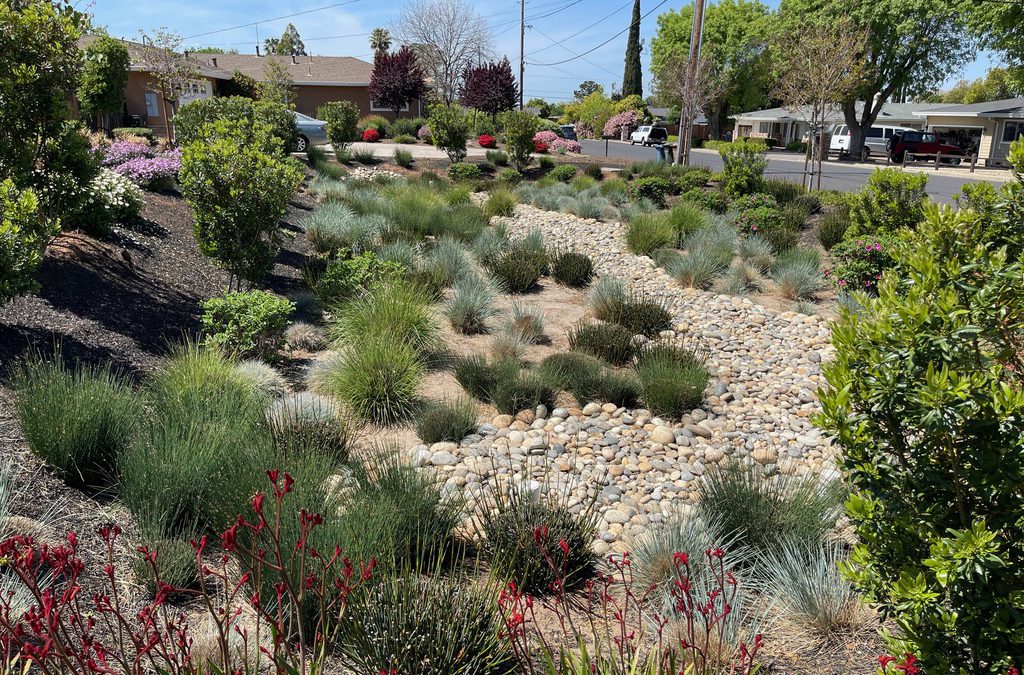
A beautiful yard rarely happens by accident. While planting a few trees or adding a new patio can improve an outdoor space, a truly complete property transformation requires thoughtful planning, proper preparation, quality materials, skilled installation, and attention to how every part of the landscape works together. That is where landscape installation comes in.
Landscape installation is the process of turning a landscape design or property improvement concept into a finished outdoor environment. Depending on the homeowner’s goals and the property’s condition, the work can range from grading and soil preparation to planting, irrigation, outdoor structures, hardscaping, drainage, lighting, and final cleanup.
For homeowners considering a substantial outdoor renovation, understanding what is included in a complete project is especially important. A $30,000-plus landscape project, for example, involves considerably more than selecting attractive plants. It may require coordinating multiple construction and landscaping elements so the finished property looks cohesive, performs well, and remains enjoyable for years.
A well-planned residential landscape installation should also reflect how the homeowner actually uses the property. A family that enjoys outdoor dining may need a spacious patio and comfortable entertaining area. A homeowner seeking privacy may prioritize screening plants, fencing, and strategically positioned trees. Others may want a low-maintenance garden, a poolside environment, a children’s play area, or a combination of functional and decorative spaces.
The scope varies from property to property, but most comprehensive projects follow a similar progression: evaluate the site, develop a plan, prepare the property, install structural elements, complete planting and irrigation, add finishing details, and establish a practical maintenance approach.
Understanding these components can help homeowners make better decisions, compare proposals more accurately, and recognize the value of professional landscape installation.
Key Takeaways
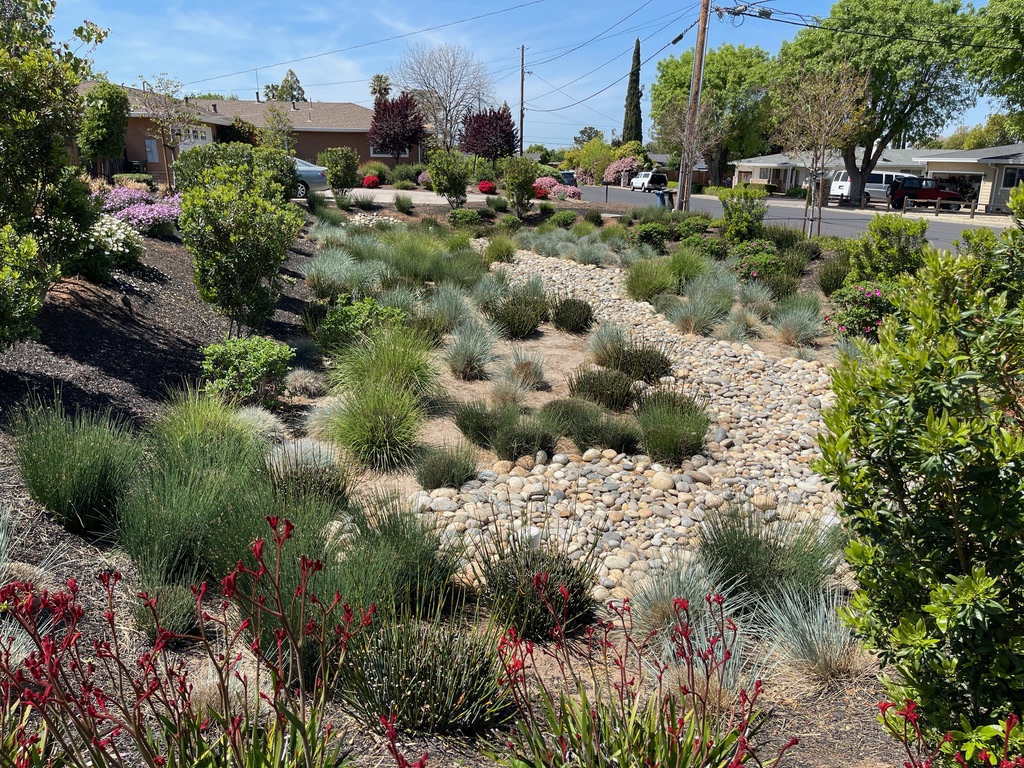
- A complete landscape installation can include site preparation, grading, drainage, irrigation, planting, hardscaping, lighting, and outdoor living features.
- Residential landscaping should be designed around the property’s conditions and the homeowner’s lifestyle rather than based solely on appearance.
- Site preparation is one of the most important stages because soil, drainage, grading, and existing conditions affect everything installed afterward.
- Hardscape features such as patios, walkways, retaining walls, steps, and outdoor kitchens can significantly increase the functionality and value of a landscape.
- Professional installation helps coordinate different parts of a project so materials, elevations, drainage, plants, and construction details work together.
- Larger projects require careful budgeting because excavation, utilities, drainage, structural work, materials, planting, irrigation, and lighting can all affect the final investment.
- The best landscape projects are planned for long-term performance, not simply for how the property looks immediately after installation.
What Is Included In Landscape Installation?
Landscape installation is a broad term that covers the physical implementation of a landscape plan. It can include both softscape and hardscape work, along with the infrastructure needed to support the finished property.
Softscape generally refers to living elements such as trees, shrubs, flowers, lawns, ground covers, and other plants. Hardscape includes constructed features such as patios, walkways, retaining walls, steps, walls, outdoor kitchens, seating areas, and other permanent structures. A comprehensive project may also include irrigation, drainage, landscape lighting, grading, soil improvements, demolition, excavation, and site cleanup.
The exact scope depends on the property. One homeowner may need a relatively straightforward front-yard renovation, while another may be transforming an entire backyard into an outdoor living area with multiple elevations, planting zones, lighting, irrigation, and entertainment spaces.
This is why homeowners should look beyond a simple list of plants or materials when evaluating a landscaping proposal. The installation process behind those finished features can be just as important as the features themselves.
Initial Site Assessment And Project Planning
Before anything is installed, the property needs to be evaluated. A professional landscaping team typically considers the property’s existing layout, topography, soil conditions, sunlight, drainage patterns, access points, existing vegetation, utilities, structures, and other site characteristics. The homeowner’s goals are equally important.
Questions that can influence the design include:
- How will the outdoor space be used?
- How much maintenance is acceptable?
- Are children or pets regularly using the yard?
- Is outdoor entertaining important?
- Does the homeowner want more privacy?
- Are there existing trees or structures worth preserving?
- Is water conservation a priority?
- Are there areas that currently flood, erode, or remain difficult to use?
A good plan connects these practical considerations with the desired aesthetic. For a larger residential project, planning can also help establish priorities and a realistic budget. Rather than spending heavily on one feature while overlooking drainage or access, homeowners can determine how individual improvements fit into the overall project.
This planning stage is particularly valuable for homeowners considering a major landscape investment because changes become more expensive after construction begins.
Landscape Design And Layout
Once the property and goals are understood, the next step is developing the layout. Landscape design determines where different features will be located and how people will move through the property. It can establish planting areas, lawn spaces, patios, walkways, outdoor rooms, retaining walls, lighting zones, irrigation areas, and other features.
Good landscape design considers more than visual symmetry. For example, a patio should be positioned where it is convenient to access from the house. A walkway should provide a logical route rather than forcing people to take an awkward path. Trees should be placed with their mature size in mind. Drainage should be addressed before low areas become planting or entertaining spaces.
The result should feel intentional without making the yard feel overly rigid. For large projects, homeowners may also benefit from dividing the property into functional zones. A backyard could include an entertaining area near the house, a garden farther away, a lawn or open space for recreation, and a private seating area surrounded by plants. This approach turns a large yard into a collection of connected outdoor spaces.
Site Preparation And Demolition
One of the less glamorous parts of landscape installation is also one of the most important: preparing the site. Existing landscaping may need to be removed before new work can begin. This can include old plants, damaged concrete, outdated irrigation, unwanted structures, excess soil, gravel, or other materials.
In some cases, portions of the existing landscape can be preserved. Mature trees, healthy plants, established walls, or other useful features may become part of the new design. Once unwanted materials are removed, the site can be prepared for construction and planting.
Depending on the project, this may involve excavation, soil removal, filling, compaction, leveling, and other preparation work. Poor preparation can create problems later. A patio installed over an unstable base may settle. Plants placed in unsuitable soil may struggle. Poorly prepared areas can develop drainage problems or erosion. Professional landscape installation therefore places considerable emphasis on what happens below the finished surface.
Grading And Drainage
Water management is a critical part of a successful landscape. A property needs to direct water appropriately so that heavy rain does not create persistent puddles, erosion, saturated planting beds, or water-related damage to outdoor features. Grading involves shaping the ground to establish appropriate elevations and slopes. Drainage systems can supplement grading where natural water movement is insufficient.
Depending on the property, drainage improvements may include surface drains, catch basins, drainage channels, pipes, swales, or other water-management solutions. The right approach depends on the property’s existing conditions. Drainage should also be coordinated with patios, retaining walls, planting areas, walkways, and other features. Installing these elements without considering water flow can create problems that are difficult and expensive to correct later. For this reason, drainage should not be treated as an afterthought. It is part of the foundation of a durable residential landscape.
Soil Preparation And Improvement
Healthy plants need healthy soil. Soil conditions can vary significantly from one property to another. Construction, compaction, poor drainage, erosion, and years of landscaping can all affect soil quality. Landscape installation may therefore include soil testing, amendment, cultivation, topsoil installation, compost incorporation, or other improvements designed to create better growing conditions.
The objective is not simply to make soil look dark and rich. Different plants have different requirements, and soil preparation should support the types of vegetation selected for the project. Proper soil preparation can improve root development, water retention, drainage, nutrient availability, and overall plant establishment. For larger projects, soil work may take place across several areas of the property, including planting beds, lawn zones, and areas around newly installed trees.
Hardscape Installation
Hardscaping is often one of the largest components of a substantial residential landscape project. Hardscape features provide structure and usable space. They can also dramatically change how a homeowner experiences the property.
Common hardscape installations include:
- Patios
- Walkways
- Steps
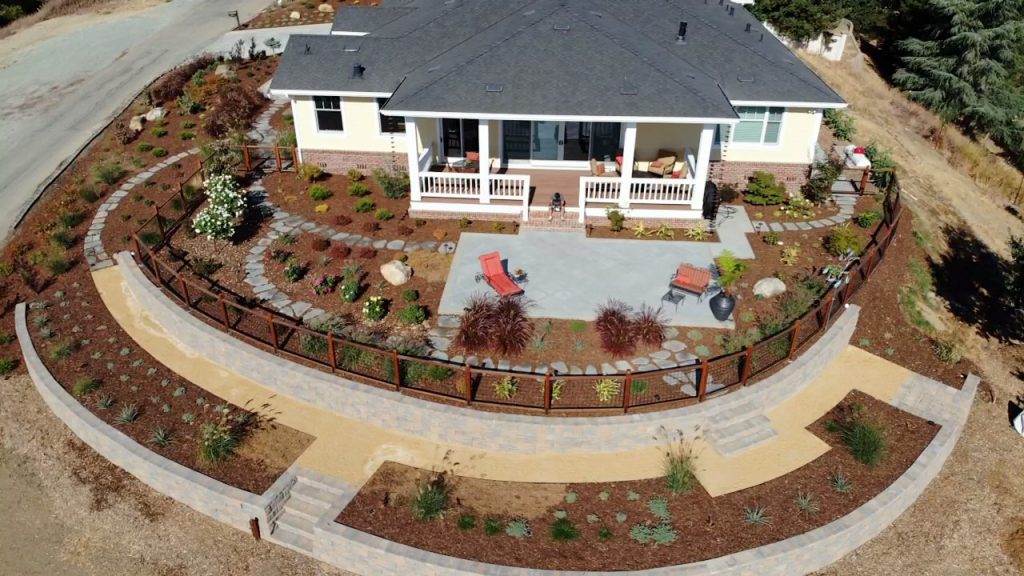
- Retaining walls
- Seating walls
- Paved entertaining areas
- Driveway or entry improvements
- Outdoor kitchens
- Fire features
- Pool surrounds
- Decorative stonework
Materials can include natural stone, concrete, concrete pavers, brick, porcelain products, and other landscape materials. The appropriate material depends on the project’s design, climate, intended use, maintenance expectations, and budget.
Installation quality matters just as much as material selection. A beautiful paver may still fail to perform properly if the base is poorly prepared or the surface does not drain correctly. A professional installation team coordinates excavation, base preparation, grading, material placement, edges, joints, and transitions between different surfaces. For homeowners investing in a larger landscape project, hardscape features can create the framework around which the rest of the property is organized.
Patios And Outdoor Living Areas
A patio can turn an underused backyard into an extension of the home. But a successful outdoor living area involves more than placing paving materials on the ground. The layout should accommodate furniture, movement, access, shade, views, and the homeowner’s preferred activities. A dining-focused space may require room for a table and chairs, while an entertainment area may need space for lounge furniture, cooking equipment, or a fire feature.
Larger projects may combine multiple outdoor living functions. For example, a landscape could include a dining patio connected to the kitchen, a separate lounge area, and a pathway leading to a garden or pool. Creating these relationships during the design stage helps prevent a landscape from becoming a collection of disconnected features.
Walkways, Steps, And Circulation
Walkways serve both practical and visual purposes. They provide safe, convenient routes between the home, driveway, patio, garden, pool, garage, and other parts of the property. A well-designed path should feel natural. Its width, material, alignment, elevation changes, and surrounding planting should reflect how the space will be used.
Properties with slopes may also require steps, ramps, retaining walls, or other grade-transition solutions. These features should be designed with safety and long-term usability in mind. Water drainage, surface texture, lighting, and transitions can all affect how comfortable a walkway is to use.
Planting And Softscape Installation
Once major site work and hardscaping are underway or complete, planting can bring the landscape to life. Softscape installation may include trees, shrubs, perennials, ornamental grasses, ground covers, annuals, vines, and lawn areas. Plant selection should consider more than appearance. Important factors include mature size, sunlight, soil, water needs, seasonal changes, maintenance requirements, and compatibility with surrounding plants.
A professional landscape installation can use plants to create structure, privacy, shade, color, texture, screening, and visual transitions. Trees may provide long-term shade and definition. Shrubs can establish boundaries or privacy. Ground covers can soften hard edges. Flowering plants can introduce seasonal interest. Layering plants at different heights can also create a more natural and visually interesting landscape than simply placing individual plants around an open lawn.
Lawn Installation
Some homeowners want extensive lawn areas, while others prefer to reduce turf in favor of planting beds, patios, or low-maintenance landscaping. Where lawn is part of the design, installation can involve soil preparation, grading, irrigation, seed, sod, edging, and establishment care. The choice between seed and sod depends on project conditions, timing, budget, and desired results.
The important consideration is that the lawn should be integrated into the overall landscape rather than treated as an isolated element. Its shape can influence circulation, drainage, planting layouts, and maintenance requirements.
Irrigation System Installation
A landscape needs an appropriate water supply, particularly during establishment and in areas where natural rainfall does not meet plant requirements. Irrigation installation may include controllers, valves, pipes, drip systems, sprinklers, emitters, and other components. The system should be designed according to the landscape rather than applying the same watering approach to every plant. Trees, shrubs, lawn, and planting beds can have different water requirements. Dividing the irrigation system into appropriate zones can help deliver water more efficiently.
Modern irrigation systems may also incorporate weather-based controls, smart controllers, or other technologies designed to reduce unnecessary watering. A properly designed system can make landscape maintenance easier while helping protect the investment in newly installed plants.
Landscape Lighting
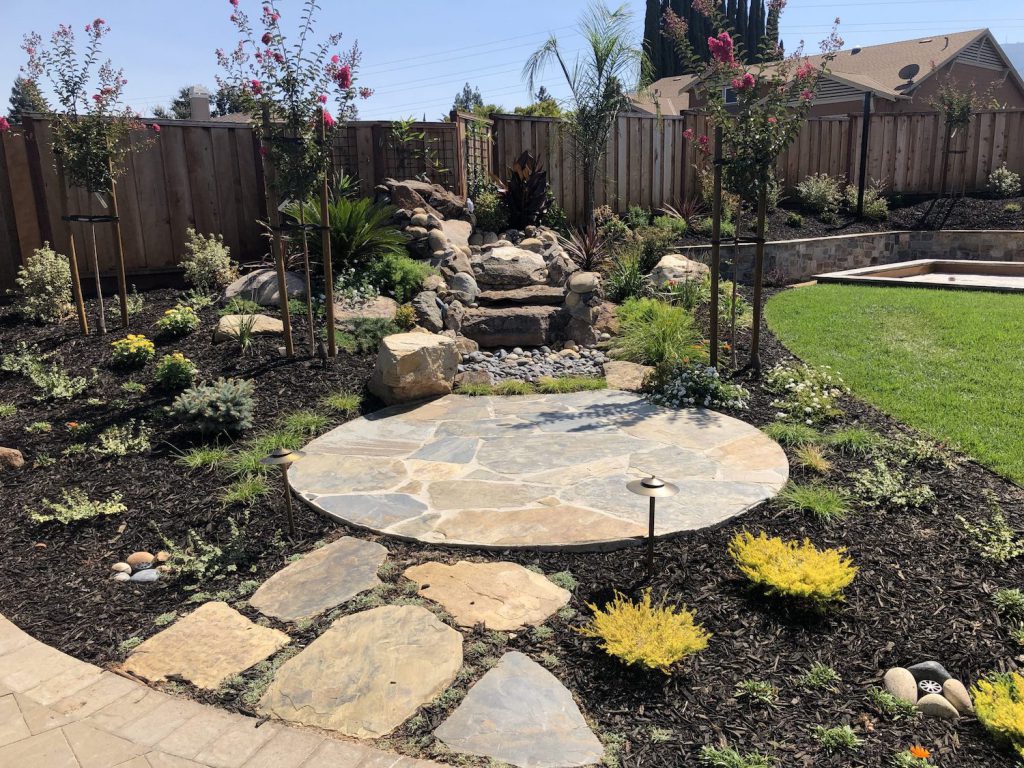
Lighting is another feature that can substantially improve a completed residential landscape. Landscape lighting can improve nighttime visibility while highlighting architectural features, trees, pathways, planting beds, patios, walls, and outdoor living areas. Common approaches include path accent, step, wall, and entertainment space lighting.
The goal is generally not to illuminate everything equally. Thoughtful lighting creates layers and visual depth. Lighting can also extend the amount of time homeowners can comfortably use their outdoor spaces. A patio that feels inviting during the day can become an evening gathering space when properly illuminated. During installation, wiring and fixture placement should be coordinated with other landscape elements to avoid creating unnecessary disruption later.
Retaining Walls And Grade Management
Sloped properties can present unique challenges. Retaining walls can help manage changes in elevation while creating usable terraces and defined planting areas. Depending on the design and site conditions, retaining walls may be constructed from natural stone, concrete products, masonry, or other materials. Their appearance matters, but structural performance is even more important.
Drainage behind retaining walls, appropriate foundations, soil pressure, grading, and water movement all need to be considered. When retaining walls are part of a larger landscape, they can also become design features. A wall may define a seating area, frame a garden, create planting terraces, or separate different levels of the property.
Outdoor Kitchens, Fire Features, And Other Upgrades
Higher-value landscape projects often incorporate outdoor living features that go beyond basic planting and paving. Outdoor kitchens can include counters, cooking areas, storage, sinks, and other amenities. Fire features can create gathering points and add warmth or ambiance. Pergolas, shade structures, built-in seating, water features, and other additions can further customize the space.
These features require additional planning because they may involve multiple trades, utility connections, structural considerations, or specialized materials. For a homeowner considering a major investment, it is often more efficient to coordinate these elements as part of a single comprehensive landscape plan rather than adding them one at a time after the rest of the yard has been completed.
Fencing, Privacy, And Screening
Privacy is one of the most common reasons homeowners invest in landscaping. Landscape installation can incorporate fencing, walls, trees, hedges, shrubs, screens, and other elements that create separation from neighboring properties or surrounding views. Plants can provide privacy gradually as they mature, while structures may provide immediate screening.
A successful privacy design considers sightlines from windows, patios, neighboring properties, streets, and other relevant viewpoints. Plant selection is especially important because a small plant that looks appropriate at installation may eventually become too large for its location. Planning for mature size can prevent future pruning problems and preserve the intended appearance of the landscape.
Finishing Details And Cleanup
The final stage of installation brings the property together. This can include installing mulch, decorative gravel, edging, final plant placement, adjusting irrigation, completing lighting connections, cleaning hardscape surfaces, removing construction debris, and restoring areas affected by construction.
Final grading and drainage should also be checked. A professional team should review the completed landscape for consistency and functionality rather than simply leaving once the major construction work is finished. The homeowner should understand how new plants and systems should be cared for during the establishment period.
How Much Does A Complete Landscape Installation Cost?
There is no single price for a residential landscape installation because the scope can vary dramatically. A small planting project and a complete backyard transformation are fundamentally different investments.
Costs can be affected by:
- Property size and accessibility
- Amount of demolition
- Grading and excavation requirements
- Drainage improvements
- Soil conditions
- Hardscape materials
- Patio and walkway size
- Retaining walls
- Irrigation
- Landscape lighting
- Number and maturity of plants
- Outdoor kitchens or other structures
- Site complexity
- Custom design requirements
For homeowners considering a project in the $30,000-plus range, it is particularly important to evaluate the project as a complete system. A lower initial quote may not necessarily represent better value if essential preparation, drainage, irrigation, lighting, or finishing work is excluded.
Instead of comparing only the total price, homeowners should compare the scope of work, materials, preparation, installation methods, warranties where applicable, and what is actually included.
Why Professional Landscape Installation Matters
Landscaping can appear deceptively simple from the finished product. A completed patio, planted garden, or new lawn may look straightforward, but getting those elements to perform properly can involve substantial technical work. Professional landscape installation brings together design knowledge, construction experience, plant knowledge, site preparation, drainage, irrigation, and project coordination.
This matters because landscaping components are interconnected. Changing the grade can affect drainage. Moving a patio can affect irrigation. Installing a retaining wall can change planting areas. Adding a tree can eventually affect shade and surrounding plants. Installing lighting after construction may require unnecessary disruption if wiring was not planned.
Professional coordination reduces these conflicts. It can also help homeowners avoid common mistakes such as choosing plants that outgrow their locations, underestimating drainage requirements, selecting unsuitable materials, or designing outdoor spaces without considering how people actually move through the property. For a substantial investment, professional installation can help turn a collection of individual improvements into one cohesive landscape.
How To Plan A $30K+ Residential Landscape Project
A larger project deserves a different planning approach than a small landscaping job. Start by identifying the primary goals. Perhaps the property needs better outdoor entertaining space, increased privacy, improved drainage, or a complete visual transformation. Next, determine which features are essential and which are optional. For example, drainage and proper grading may be fundamental site requirements, while a decorative water feature may be an optional enhancement.
It is also helpful to think about the landscape in phases if the entire project cannot be completed at once. A professional design can establish the long-term vision while allowing construction to occur in logical stages. Most importantly, establish the overall budget before finalizing the design. A realistic budget allows the landscaping team to recommend materials, features, and construction approaches that align with the investment level.
What Should Homeowners Ask A Landscape Contractor?
Before choosing a landscaping company, homeowners should understand exactly what they are receiving. Ask how the contractor approaches site preparation, drainage, irrigation, plant selection, hardscape construction, lighting, and cleanup. It is also useful to ask what happens if unexpected site conditions are discovered during excavation. Existing concrete, buried materials, poor soil, drainage problems, or difficult access can affect both the schedule and cost.
Homeowners should also ask how the project will be coordinated if multiple types of work are involved. A company capable of managing a complete landscape installation can often provide a more unified experience than hiring several unrelated contractors for individual components. The goal is not simply to find the lowest price. It is to find a qualified team capable of delivering the desired result within a clearly defined scope.
How Long Does Landscape Installation Take?
Project timelines vary based on size, complexity, weather, material availability, site conditions, and the number of features involved. A simple planting project may be completed relatively quickly, while a comprehensive landscape transformation involving demolition, grading, drainage, hardscaping, irrigation, lighting, structures, and extensive planting can take considerably longer. The sequence of work also matters.
Major site preparation generally comes before hardscape installation. Irrigation infrastructure needs to be coordinated with planting and construction. Plants are typically installed after the primary construction work has been completed. A realistic schedule should account for these dependencies rather than assuming that every part of the project can happen simultaneously.
Designing A Landscape For Long-Term Value
A successful landscape should look good when it is finished, but it should also continue working years later. That means considering mature plant sizes, maintenance requirements, drainage, irrigation efficiency, material durability, and changing household needs. For example, a young tree may look small when installed, but its future canopy should be considered when selecting its location.
A patio should provide enough space for the furniture and activities the homeowner expects to use years from now. Irrigation should be capable of supporting the landscape as plants mature. Long-term thinking can make the difference between a landscape that merely looks impressive at installation and one that remains functional and attractive over time.
The Difference Between Installing A Landscape And Building An Outdoor Environment
A complete residential landscape is more than a collection of plants, patios, and decorative features. It is an outdoor environment designed around the property and the people who use it. The best projects create connections between the home and yard. They make movement easier, provide comfortable places to gather, introduce natural beauty, manage water effectively, and establish outdoor spaces that support everyday life.
That is why comprehensive landscape installation requires planning at both the large and small scale. At the large scale, the project needs a coherent layout and appropriate grading. At the small scale, plant placement, lighting, materials, edges, transitions, and finishing details determine how polished the final result feels. When these pieces are properly coordinated, the landscape becomes more than an improvement to the property. It becomes an extension of the home.
Final Remarks
A complete landscape installation can encompass far more than planting flowers or installing a new lawn. A substantial residential project, it may involve site assessment, design, demolition, grading, drainage, soil preparation, hardscaping, patios, walkways, retaining walls, irrigation, lighting, planting, privacy features, outdoor living areas, and final finishing work. The most important consideration is how these components work together.
A patio needs proper preparation and drainage. Plants need suitable soil and irrigation. Retaining walls need appropriate grade and water management. Lighting needs to be coordinated with the finished landscape. Outdoor living spaces need to fit the way the homeowner actually uses the property.
This interconnected approach is what makes professional landscape installation valuable, particularly for homeowners planning larger investments. If you are considering a residential landscape installation, begin with the overall vision rather than individual features. Think about how you want to use the property, what problems need to be solved, which improvements matter most, and how the landscape should perform several years from now. A well-planned project can transform an ordinary yard into a functional, comfortable, attractive outdoor environment, and create lasting value from the investment.
Frequently Asked Questions
1. What Does Landscape Installation Typically Include?
Landscape installation can include a range of services depending on the property’s needs and the project’s scope. A comprehensive installation may include site preparation, demolition, grading, drainage, soil improvement, hardscaping, patios, walkways, retaining walls, irrigation, landscape lighting, lawn installation, planting, privacy screening, outdoor living features, and final cleanup.
Not every project requires every component. A professional assessment can help determine which elements are appropriate for the property and the homeowner’s goals.
2. What Is The Difference Between Landscape Design And Landscape Installation?
Landscape design focuses on planning the appearance, layout, functionality, and organization of the outdoor space. Landscape installation is the physical process of building and planting that design.
The two are closely connected. A well-designed landscape still needs proper construction and planting techniques to perform as intended. Likewise, installation without thoughtful planning can result in disconnected features, drainage problems, unsuitable plants, or inefficient use of space.
For larger residential projects, coordinating design and installation can help create a more consistent final result.
3. How Much Should I Budget For A Complete Residential Landscape Installation?
The appropriate budget depends on the project’s size, materials, site conditions, labor requirements, and features. A basic planting project may cost significantly less than a complete property transformation involving patios, retaining walls, drainage, irrigation, lighting, outdoor kitchens, and extensive planting.
Homeowners planning a $30,000 or larger project should consider the entire scope rather than focusing on one feature. A detailed proposal should clearly identify preparation work, materials, construction, planting, irrigation, lighting, and other included services. A professional evaluation is the best way to develop a realistic project budget.
4. How Long Does A Residential Landscape Installation Take?
There is no standard timeline because projects vary significantly. Small landscaping improvements may take only a short period, while comprehensive installations involving excavation, grading, drainage, hardscaping, irrigation, lighting, structures, and extensive planting can require substantially more time.
Weather, material availability, site access, project complexity, and the sequence of construction can also affect the schedule. A professional contractor should provide a project timeline based on the actual scope rather than relying on a generic estimate.
5. Is Drainage Included In Landscape Installation?
Drainage can be included when the property requires water-management improvements, although the exact solution depends on site conditions. Drainage work may involve grading, swales, catch basins, drains, pipes, channels, or other methods of directing water appropriately.
Addressing drainage during the landscape installation process is often preferable to waiting until problems develop. Proper water management can protect hardscape features, planting areas, soil, and usable outdoor spaces.
6. Why Should I Hire A Professional For Landscape Installation?
Professional landscape installation can provide expertise in site preparation, grading, drainage, plant selection, hardscape construction, irrigation, lighting, and project coordination.
This is particularly valuable for larger projects because the different components need to work together. A mistake in one area can affect another. For example, poor grading can create drainage issues, while inappropriate plant placement can lead to long-term maintenance problems. Professional installation can help homeowners avoid costly mistakes and achieve a landscape designed for both immediate appearance and long-term performance.
7. What Should I Consider Before Starting A Major Landscape Project?
Start by determining how you want to use the property and what problems you want the project to solve. Consider outdoor entertaining, privacy, recreation, gardening, maintenance preferences, drainage, irrigation, shade, accessibility, and future needs. Then establish a realistic budget and identify the most important features.
For a major residential project, it is also wise to consider the landscape as one complete system rather than a series of unrelated upgrades. Planning the entire property first can help ensure that patios, planting, irrigation, lighting, drainage, and other features complement one another. The result is a more cohesive landscape and a better foundation for a long-term outdoor investment.
Start Your Residential Landscape Installation With A Proven Local Team
A great landscape starts with more than choosing plants and materials. Poor planning, disconnected contractors, drainage problems, irrigation mistakes, and improper installation can turn an exciting project into an expensive headache. Vince’s Landscaping takes a different approach to landscape installation, bringing design, construction, and installation together so every part of your outdoor space works as one complete plan.
Since 1982, our family-owned team has helped East Bay homeowners transform outdated and underused yards into outdoor spaces designed around the way they actually live. From hardscaping and planting to irrigation, lighting, outdoor living areas, and complete landscape installation, our experienced crews manage the project from start to finish with careful planning and open communication.
If you’re ready to invest in a landscape that looks great, functions properly, and is built to last, Vince’s Landscaping can help. Schedule a consultation and discover what professional landscape design and installation can do for your home.
Disclaimer
The materials available on this website are provided for general informational and educational purposes only. They are not intended to serve as professional design, construction, engineering, architectural, legal, or other specialized advice for any specific property or project.
Every landscape project is different, and conditions such as grading, drainage, soil, irrigation, existing structures, local codes, permitting requirements, and site access can affect the appropriate design and construction approach. You should consult with a qualified landscape professional, contractor, landscape architect, engineer, or other appropriate professional before making decisions based on information provided on this website.
Do not act or refrain from acting solely based on the content of this site. Information may change over time and may not reflect current building codes, regulations, industry standards, product specifications, or site-specific requirements. Vince’s Landscaping disclaims liability for actions taken or not taken based on the information contained on this website to the fullest extent permitted by law.
Recent Comments