
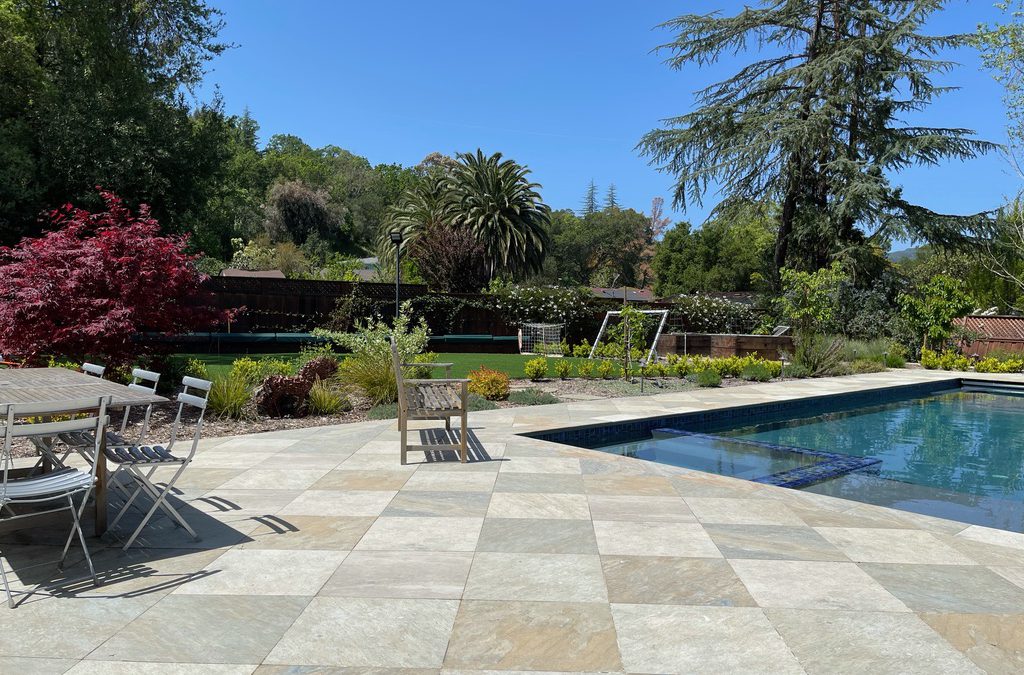
A successful landscape starts with decisions that happen long before installation. While choosing plants, paving materials, and outdoor furniture can be exciting, those choices work best when they follow a clear understanding of your property, priorities, and budget. Without that foundation, an attractive design may leave you with uncomfortable gathering areas, difficult maintenance, or features that do not suit your daily life.
Before starting a landscape design, homeowners should consider how they want to use the space, what conditions already exist, how much they can invest, and what upkeep they can realistically manage. They should also think about drainage, privacy, construction access, and the relationship between the yard and the home.
For homeowners preparing to discuss a project with Vince’s Landscaping, organizing these details can make the first conversation more productive. You do not need a finished vision or a complete plant list. You need a practical description of what works, what does not, and what you want the landscape to accomplish.
The following considerations can help you approach landscape design with clearer expectations and fewer avoidable surprises.
Key Takeaways
- Start with the activities and everyday needs your landscape should support.
- Evaluate sunlight, soil, slopes, drainage, and existing features before choosing materials.
- Establish a realistic investment range that includes preparation and installation.
- Plan circulation, privacy, and outdoor comfort alongside appearance.
- Choose plants and irrigation arrangements that fit the property.
- Consider maintenance requirements and mature plant sizes.
- Clarify project scope, approvals, responsibilities, and scheduling before construction.
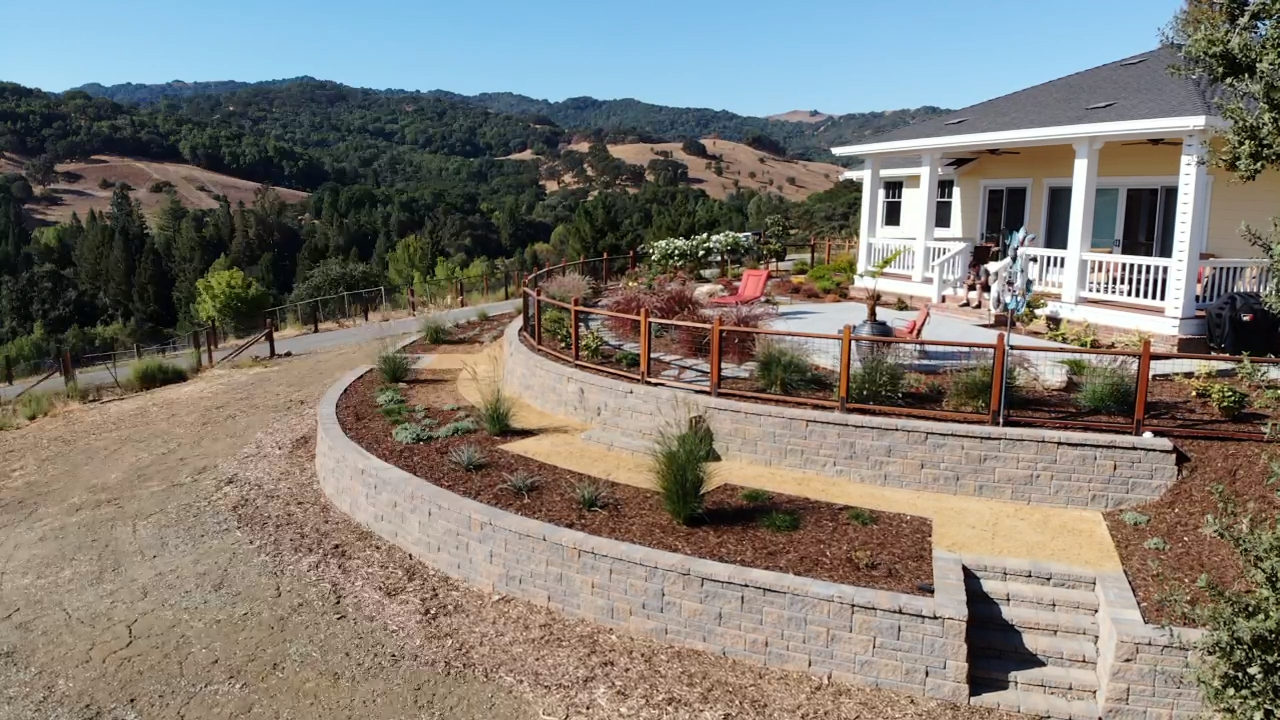
Define What You Want Your Landscape To Accomplish
Start With Everyday Activities
The most useful starting point is how you want to spend time outside. A yard intended for quiet reading requires different decisions from one used for large family gatherings. A household with young children may need open play space, while enthusiastic gardeners may prefer productive planting beds and convenient access to water.
Think about a normal week, not just special occasions. Where would you drink coffee? How often would you eat outdoors? Do pets need a defined area? Would you actually use an outdoor kitchen, or would a comfortable dining patio serve your needs?
Describe these activities before selecting features. “We want to comfortably seat six people for dinner” gives a designer more useful information than “We want a bigger patio.” It connects the design to a measurable purpose.
Separate Essential Needs From Optional Features
Most homeowners can imagine more improvements than their property or budget can accommodate. Dividing ideas into essentials, preferences, and future possibilities helps establish priorities.
Essential needs might include correcting standing water, replacing an unsafe walkway, or creating a usable seating area. Preferences could include decorative lighting, a particular paving finish, or additional garden beds. Future possibilities might include a larger shade structure or expanded entertaining area.
This distinction helps when tradeoffs arise. If an unexpected site condition increases preparation costs, you can protect the features that matter most and reconsider less urgent additions.
Include other household members in this discussion. Different expectations are easier to reconcile on paper than after construction begins.
Consider How Your Needs May Change
A landscape should support your current lifestyle while allowing reasonable flexibility. Children grow, pets age, and the way you entertain may change.
Flexible spaces often remain useful longer than highly specialized areas. An open patio can support dining, lounging, or temporary activities without major reconstruction. A clear route between the house and garden may become increasingly valuable as mobility needs change.
You do not need to predict every future circumstance. However, discussing likely changes can prevent a design from becoming inconvenient within a few years. Consider whether important spaces can adapt without removing established plants or rebuilding expensive features.
Understand Your Property’s Existing Conditions
Observe Sunlight, Shade, And Exposure
A landscape plan needs to reflect the conditions on your property. Before your consultation, observe where sunlight falls in the morning, afternoon, and evening. Note which spaces feel comfortable and which become too hot, windy, or exposed.
A seating area that looks appealing on a drawing may be difficult to enjoy during the hours you expect to use it. Similarly, a planting bed can struggle if its plants receive a different level of sunlight than they need.
EPA WaterSense guidance recommends considering local climate, sun and shade, soil conditions, maintenance, and intended use when planning a landscape.
Take photographs from the same locations at different times. Seasonal observations are helpful when available, but even a few days of notes can improve the initial discussion.
Identify Drainage And Soil Concerns
Water movement deserves attention before decorative features are planned. Look for puddles that linger after rain, soil washing onto walkways, damp areas near the house, and runoff crossing spaces you want to use.
Share these observations with your landscape professional. A dry-weather visit may not reveal problems that appear during storms.
Soil conditions also influence planting and installation decisions. Compacted areas, heavy clay, shallow soil, and previously disturbed ground may need further evaluation. Avoid assuming that adding the same soil amendment everywhere will solve every issue.
Ask whether testing or a more detailed assessment would help determine the appropriate approach. Significant drainage or slope concerns may require additional professional input before the design can be finalized.
Decide What To Keep, Remove, Or Investigate
Existing trees, patios, fences, and planting beds can influence the entire project. Identify features you value and those that create problems.
A mature tree may provide useful shade, but proposed excavation near it requires careful consideration. An existing patio might remain usable, or its condition and elevation may make replacement more practical.
Do not assume removal is always the best starting point. Preserving suitable features can support the character of the property and reduce unnecessary work.
Also identify anything uncertain, such as an old irrigation line, an unexplained depression, or a fence that may not follow the property boundary. Flagging uncertainty early gives the project team time to investigate before finalizing the layout.

Establish A Budget That Reflects The Complete Project
Set A Comfortable Investment Range
A useful budget describes what you can comfortably invest in the overall project. It should account for both visible improvements and the work necessary to support them.
Homeowners sometimes focus on plants and paving while overlooking demolition, hauling, grading, drainage, irrigation changes, and construction access. These items can meaningfully affect the scope.
Share your budget range early when speaking with Vince’s Landscaping. That allows the conversation to focus on options that fit your priorities.
You can also explain where you are willing to adjust. Perhaps durable paving matters more than a large planting palette, or a comfortable shaded patio matters more than decorative features. Clear priorities make budget decisions more manageable.
Understand What Each Proposal Includes
A proposal is easier to evaluate when its scope is specific. Ask what preparation, materials, installation, disposal, and cleanup are included.
Important questions include:
- Does the scope include removing existing materials?
- How will drainage concerns be addressed?
- Are irrigation modifications included?
- What plant sizes and quantities are proposed?
- Are lighting fixtures and electrical work included?
- Who handles required approvals?
- What work, if any, remains the homeowner’s responsibility?
A lower total does not necessarily represent the same work at a lower price. Differences in preparation, material quantities, or included services can change the comparison substantially.
Written details help you understand what the project will deliver and where additional costs could arise.
Plan For Uncertainty And Phased Improvements
Existing properties can contain conditions that are difficult to confirm before work begins. Discuss how unforeseen conditions and requested changes will be handled, including how additional work is documented and approved.
Keep room in your financial planning for uncertainty rather than assigning every available dollar to optional features. The appropriate reserve depends on the project and the amount of unknown work.
If the full vision exceeds your current budget, ask about a coordinated phased plan. Preparation, drainage, and underground infrastructure may need to happen before later improvements.
A phased approach works best when each stage supports the final layout. Installing a temporary feature that must soon be removed can undermine the intended savings.
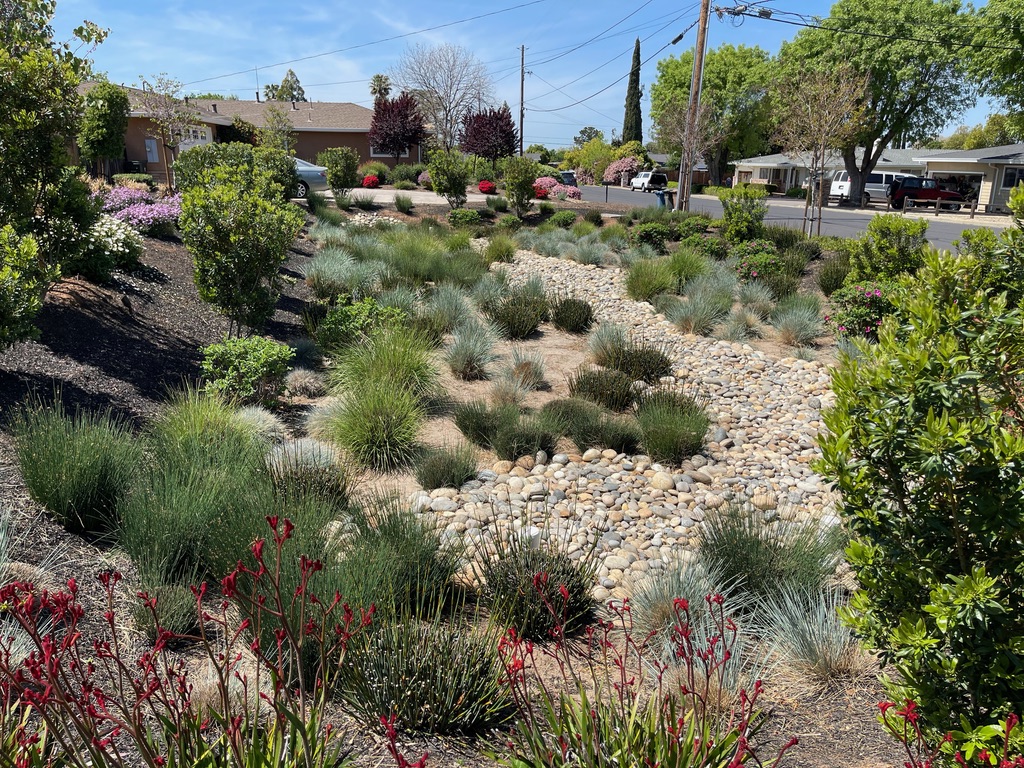
Plan A Layout That Makes The Yard Comfortable To Use
Create Clear Connections Between Spaces
A landscape should make the property feel natural. Consider the routes between exterior doors, parking areas, seating, garden beds, storage, and side gates.
Frequently used destinations should be convenient to reach. Carrying dinner outside becomes frustrating if the dining area requires navigating narrow paths or walking around furniture. Garden maintenance becomes harder when tools and supplies must travel through an entertaining space.
Review how doors and gates open, where people gather, and whether furniture interrupts circulation. A layout can look spacious before chairs, planters, and other everyday items are added.
Ask to see the proposed arrangement with those objects represented. That helps you judge how the space will function when it is actually in use.
Address Privacy, Shade, And Views
Comfort depends on more than square footage. A patio may be large enough but feel exposed to neighboring windows, afternoon sun, or an unattractive view.
Identify where privacy matters most. You may need screening around a seating area without enclosing the entire property. Different combinations of planting, fencing, and structures can create different levels of privacy.
Discuss the timing of the result. Plants may need years to provide the desired screening, while other features can offer more immediate coverage.
Shade requires similar planning. Consider when you need protection and how proposed trees or structures will affect nearby spaces. A feature that casts shade in the morning may provide little benefit during afternoon gatherings.
Check Dimensions And Everyday Usability
Before approving a layout, review the dimensions of important spaces. Confirm that dining areas allow people to pull out chairs and walk around the table. Make sure lounging areas accommodate the furniture you expect to use.
Think about elevation changes, steps, surface transitions, and nighttime visibility. If someone in the household uses a mobility aid or has difficulty with stairs, explain those needs early.
Where practical, mark proposed boundaries on the ground using temporary stakes or another removable method. Standing within the outlined area can reveal concerns that are difficult to recognize on a screen.
Use this review to test practical questions: Can two people pass comfortably? Is the grill conveniently located? Can you reach planting beds without stepping through delicate plants?
Choose Plants And Materials For Long-Term Performance
Select Plants For The Site And Their Mature Size
Plant selection should follow the property assessment and layout. Appearance matters, but so do growing conditions, mature dimensions, and the space available for roots and branches.
A shrub that fits neatly beside a walkway at installation may eventually obstruct the route. A small tree can later affect views, shade patterns, and nearby features.
Ask how the planting plan will look immediately after installation and several years later. Appropriate spacing may leave visible gaps at first, but those gaps can allow plants to develop without constant trimming.
Also discuss household concerns such as pets, allergies, thorny plants, and messy fruit near gathering areas. No plant suits every location, so the goal is a suitable match between the plant, the site, and the people using it.
Coordinate Plants With Irrigation Needs
A planting plan and irrigation plan should work together. Plants with different water requirements can be difficult to manage when they share the same watering schedule.
Grouping plants with similar watering needs into separate irrigation areas, often called hydrozones, helps provide water according to their requirements. EPA WaterSense identifies this approach as a way to reduce water use and avoid under- or overwatering.
Ask how existing irrigation will be evaluated and adapted to the new landscape. A system designed for an old lawn may not suit a replacement planting arrangement.
Discuss establishment care as well. Newly installed plants need attention while developing roots, even when they are selected for lower water use once established.
Evaluate Materials Beyond Their Appearance
Paving, edging, fencing, and other materials should support the activities planned for each area. Compare texture, cleaning needs, repair options, and how surfaces feel under expected conditions.
If people will often walk barefoot, surface temperature deserves consideration. Near entrances or frequently wet areas, discuss traction and drainage. Where furniture will be used, consider whether the surface provides stable support.
Request samples when possible and examine them outdoors beside the house. Color and texture can look different in direct sunlight than in an indoor showroom.
Ask what maintenance the proposed materials require. Some finishes need periodic treatment, while others may develop a weathered appearance. Understanding those characteristics helps you select materials you will continue to appreciate.
Match Maintenance Requirements To Your Lifestyle
Be Honest About The Time You Want To Spend
Maintenance expectations should influence the design from the beginning. A landscape that requires more work than you want to provide can become a source of frustration.
Consider how much time you are willing to spend on watering checks, pruning, mowing, weeding, cleanup, and seasonal tasks. Also decide which responsibilities you expect to handle personally and which you may hire someone to complete.
“Low maintenance” needs a practical definition. It might mean reducing mowing, limiting seasonal plant replacement, or choosing a simpler arrangement of planting beds.
Describe the tasks you want to minimize instead of relying on the phrase alone. This gives the designer a clearer basis for recommending an appropriate level of complexity.
Consider Access For Routine Care
Maintenance becomes easier when the layout allows people to reach the areas that need attention. Narrow gaps, crowded beds, and hard-to-access equipment can make simple tasks unnecessarily difficult.
Discuss access to irrigation controls, drainage features, exterior faucets, and lighting equipment. Keep service areas usable rather than hiding them behind features that prevent inspection or repair.
Think about where garden tools, cushions, hoses, and other supplies will be stored. Convenient storage helps outdoor areas remain usable without creating clutter.
Planting arrangements should also allow appropriate access as plants mature. A bed that can only be maintained by stepping on neighboring plants may need a different shape or spacing.
Understand Establishment And Ongoing Costs
The weeks and months following installation require their own care plan. Ask what watering, monitoring, and adjustments are needed while plants establish.
Clarify who is responsible for that care and how concerns should be reported. If you travel frequently, make arrangements before installation rather than assuming the new landscape can immediately be left unattended.
Long-term costs also deserve consideration. These may include gardening services, water, replacement plants, surface care, and equipment repairs. The relevant expenses depend on your design.
Evaluate those commitments alongside installation costs. A feature that fits the initial budget may still be a poor match if its continuing upkeep exceeds what you want to spend. A simpler design can be a better choice when it supports consistent care.
Clarify Project Requirements Before Construction Begins
Confirm Boundaries, Approvals, And Restrictions
Before finalizing features near property edges, confirm the relevant boundaries and identify any easements or shared conditions. An existing fence should not automatically be treated as a verified property line.
Ask which proposed elements require review or approval. Requirements can vary by location and project scope, especially when a design includes structures, significant grading, retaining walls, or utility work.
If your property is part of a homeowners association, review its requirements early. Approval procedures can influence material choices and scheduling.
Clarify who will investigate these matters and obtain any necessary documentation. When a boundary, structural condition, or approval requirement remains uncertain, resolve it before committing to affected construction details.
Discuss Access, Timing, And Household Disruption
Installation requires a practical plan for workers, equipment, materials, and debris removal. Narrow side yards, limited parking, and restricted delivery areas can influence how work is performed.
Tell the project team about household needs that affect access. These may include pets, children, work schedules, or a doorway that must remain available.
Discuss expected work hours, storage areas, and how existing features will be protected. Ask whether any parts of the yard will be unavailable and what temporary arrangements may be needed.
Treat the schedule as a coordinated plan with dependencies. Material availability, site conditions, required reviews, and weather can affect progress. Understanding those dependencies helps you prepare without relying on an unrealistic completion date.
Agree On Deliverables And Communication
Before moving forward, understand what the design service includes. Depending on the agreement, deliverables may include a layout, planting plan, material selections, irrigation information, or other project documents.
Ask how many revisions are included and what marks the transition from design approval to installation planning. Confirm whether additional technical details or specialist services are needed for particular features.
Establish a main contact and a clear process for questions, decisions, and changes. Keep important approvals in writing so everyone is working from the same information.
For your first conversation with Vince’s Landscaping, bring photographs, a priority list, your budget range, and questions about the property. These materials provide a useful starting point for discussing a landscape that fits your household.
Conclusion
Before starting a landscape design, homeowners should look beyond the finished appearance and consider how the yard will function over time. Clear goals, realistic budgeting, site assessment, comfortable circulation, suitable plants, and manageable maintenance all contribute to a more practical result.
The strongest preparation does not require choosing every detail yourself. It requires identifying your priorities and sharing relevant information about your property and lifestyle. That gives your landscape professional a better foundation for developing and explaining suitable options.
If you are preparing to work with Vince’s Landscaping, start by documenting your existing concerns and the activities you want the space to support. A thoughtful planning conversation can help turn broad ideas into a coordinated design you understand before installation begins.

Frequently Asked Questions
1. What Should I Prepare Before A Landscape Design Consultation?
Bring photographs of the property, a list of problems you want to solve, and examples of styles you like. Include your approximate budget range and describe how you expect to use the yard. If you have a survey, relevant association guidelines, or information about existing irrigation, make those available. You do not need to arrive with a finished layout.
2. Should I Decide On A Budget Before Starting The Design?
Establish a comfortable investment range before detailed planning begins. You can refine it as the scope becomes clearer, but an initial range helps guide practical choices. Be sure the discussion covers preparation and installation alongside visible features. If your goals exceed the available budget, ask which priorities should come first and whether a coordinated phased plan is appropriate.
3. Can Existing Trees And Patios Be Included In A New Design?
Yes, suitable existing features can become part of a new landscape. Their condition, location, and compatibility with the proposed layout determine whether preservation makes sense. Trees need particular attention when construction could affect their roots or surrounding soil. Discuss what you want to retain during the initial assessment, and allow for further evaluation where necessary.
4. How Can I Plan A Landscape That Requires Less Maintenance?
Identify the specific tasks you want to reduce, such as mowing, frequent pruning, or seasonal plant replacement. Discuss plants suited to the site, appropriate mature spacing, straightforward access, and materials with manageable care requirements. A simpler arrangement can also reduce upkeep. Every landscape needs some attention, so clarify both establishment care and the ongoing maintenance plan before installation.
5. Should Drainage Be Addressed Before New Landscaping Is Installed?
Drainage concerns should be evaluated before affected features are installed. Water movement can influence grading, planting locations, paved areas, and the usability of the yard. Share photographs or notes showing what happens during rain. The appropriate response depends on the property, and more complex conditions may need additional assessment before the landscape layout is finalized.
6. Is It Better To Install The Entire Landscape At Once Or In Stages?
Either approach can work, depending on your budget, priorities, and project dependencies. Completing everything together may simplify coordination, while stages can spread the investment over time. If you choose phases, develop the overall plan first and identify work that supports later additions. This helps reduce the likelihood of removing completed improvements to accommodate the next stage.
Bring Your Outdoor Vision To Life With Professional Landscape Design
Great outdoor spaces don’t happen by accident. Thoughtful landscape design brings together layout, function, planting, hardscape, lighting, drainage, and the way you want to use your property. Vince’s Landscaping creates custom landscape designs that help homeowners turn ideas into practical, beautiful outdoor environments.
Since 1982, our family-owned team has worked with East Bay homeowners to design landscapes that fit their homes, lifestyles, and long-term goals. Whether you’re planning a complete backyard transformation, new entertaining areas, updated planting, walkways, patios, or a more cohesive overall layout, we help organize every element into a clear design before construction begins.
If you’re ready to create an outdoor space that feels intentional, functional, and uniquely suited to your property, Vince’s Landscaping can help. Schedule a consultation and start planning a landscape designed around the way you want to live.
Disclaimer
The materials available on this website are provided for general informational and educational purposes only. They are not intended to serve as professional design, construction, engineering, architectural, legal, or other specialized advice for any specific property or project.
Every landscape project is different, and conditions such as grading, drainage, soil, irrigation, existing structures, local codes, permitting requirements, and site access can affect the appropriate design and construction approach. You should consult with a qualified landscape professional, contractor, landscape architect, engineer, or other appropriate professional before making decisions based on information provided on this website.
Do not act or refrain from acting solely based on the content of this site. Information may change over time and may not reflect current building codes, regulations, industry standards, product specifications, or site-specific requirements. Vince’s Landscaping disclaims liability for actions taken or not taken based on the information contained on this website to the fullest extent permitted by law.
Recent Comments