
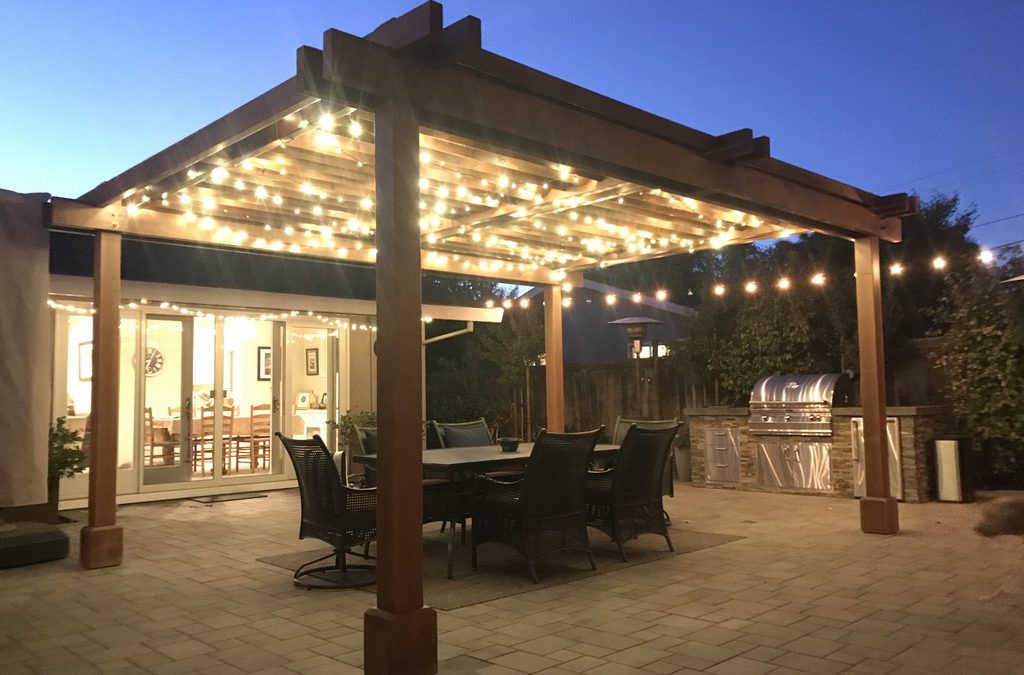
Homeowners planning a major outdoor renovation often encounter two similar terms while researching professional help: landscape architect and landscape designer. At first glance, these titles may seem interchangeable. Both professionals can contribute to attractive, functional outdoor environments, and both may help homeowners make decisions about patios, walkways, planting areas, outdoor living spaces, privacy, circulation, and the overall organization of a property. There are important differences between the two roles.
A landscape architect typically works within a regulated professional framework and may be required to meet specific education, experience, examination, and licensing requirements. A landscape designer may also have extensive education, training, and practical experience, but the title does not necessarily carry the same licensing requirements or professional scope. This distinction becomes particularly important when a residential project involves complicated site conditions, grading, drainage, retaining structures, or other technical considerations.
For homeowners, choosing between a landscape architect and a landscape designer should not simply come down to which title sounds more professional. The better question is which professional has the qualifications, experience, and services appropriate for the property and the proposed improvements. A straightforward backyard renovation may have very different design requirements from a hillside property involving substantial grade changes and drainage concerns.
Understanding these differences can help homeowners make more informed decisions before investing in professional design or landscape construction. This guide explains what landscape architects and landscape designers do, where their responsibilities overlap, how their qualifications may differ, and what homeowners should consider when selecting professional landscape design services.
Key Takeaways
- Landscape architects and landscape designers can both contribute to residential outdoor design, but their education, licensing, professional scope, and experience may differ.
- Landscape architecture is a regulated profession in many jurisdictions, while requirements for landscape designers vary more widely.
- A landscape architect may be appropriate when a project involves complex site planning, grading, drainage, or other technical considerations.
- An experienced landscape designer can be an excellent choice for many residential projects involving planting, patios, walkways, hardscape, and outdoor living areas.
- Professional title alone does not determine design quality; homeowners should also consider relevant experience, portfolio quality, communication, and project scope.
- Complex residential projects may benefit from collaboration among landscape professionals, engineers, contractors, and other specialists.
- Homeowners should verify professional credentials whenever licensing or specialized expertise is relevant to the proposed work.

What Is a Landscape Architect?
A landscape architect is a professional involved in planning and designing outdoor environments. The work can combine creative design with practical considerations such as site organization, circulation, grading, drainage, planting, hardscape, environmental conditions, and the relationship between built structures and the surrounding landscape.
On a residential property, landscape architecture may involve developing an overall vision rather than designing a single isolated feature. The professional may consider how patios connect to the house, where walkways should lead, how planting can provide privacy, how elevation changes influence outdoor spaces, and how different landscape elements should work together.
Site analysis is an important part of this process. Existing conditions such as topography, sunlight, vegetation, drainage patterns, access, views, structures, and property constraints can influence the design. Instead of simply deciding where attractive features should be placed, the planning process considers how those improvements interact with the property as a whole.
Landscape architects may work on residential, commercial, institutional, recreational, or public projects. Individual professionals often develop specialties, which is why homeowners should look specifically for experience relevant to residential properties when evaluating potential design professionals.
What Is a Landscape Designer?
A landscape designer also plans and organizes outdoor environments, particularly residential landscapes. Depending on their experience and services, landscape designers may develop plans for patios, pathways, planting areas, privacy screening, outdoor living spaces, irrigation concepts, lighting, and other landscape features.
Many landscape designers specialize heavily in residential projects. Their experience may include plant selection, hardscape layout, materials, construction coordination, outdoor living design, and practical knowledge gained through years of working with homeowners and landscape contractors.
The primary distinction is that the title landscape designer generally does not represent the same regulated professional designation as landscape architect. Educational and professional backgrounds can therefore vary considerably among designers. Some have formal education in landscape design, horticulture, architecture, or related disciplines, while others develop expertise through extensive practical experience.
That difference does not mean that a landscape designer is automatically less capable of producing a successful residential design. For many projects, an experienced designer may provide exactly the combination of creativity, practical knowledge, and residential experience a homeowner needs.
Is a Landscape Architect the Same as a Landscape Designer?
A landscape architect and a landscape designer are not necessarily the same type of professional, although their responsibilities can overlap significantly. Both may create landscape plans, organize outdoor spaces, select materials, incorporate planting, and help homeowners develop a cohesive vision for their property.
The difference becomes more noticeable when considering professional regulation and project complexity. Landscape architects generally follow formal professional requirements established by the jurisdiction in which they practice. Landscape designer qualifications are more varied and depend heavily on the individual’s education, experience, and services.
For homeowners, this means that titles should be considered alongside actual qualifications. A highly experienced residential landscape designer may have decades of practical knowledge involving planting, hardscape, construction, and outdoor living. A landscape architect may have extensive technical training but specialize primarily in commercial or public projects rather than residential properties.
The objective should be to find a professional whose expertise matches the project rather than assuming one title automatically guarantees a better result.
How Education and Training May Differ
Landscape architects typically follow a more standardized professional path. Their education can cover subjects such as site planning, grading, drainage, plant materials, environmental systems, design theory, circulation, construction documentation, and the relationship between natural and built environments. Professional licensing requirements may also involve documented experience and examinations.
Landscape designers can come from a much broader range of backgrounds. Some have degrees or certificates in landscape design, horticulture, architecture, environmental design, or related subjects. Others develop their skills through years of professional practice, construction experience, planting design, or design-build landscaping.
Formal education can be particularly valuable when a project involves complicated technical conditions. Practical residential experience is equally important when the goal is creating an outdoor environment that works for everyday life. Homeowners should therefore evaluate both professional training and relevant project experience.
Landscape Architect vs. Landscape Designer for Residential Projects
Residential landscaping is one area where the work of landscape architects and landscape designers frequently overlaps. Both professionals may be capable of planning a backyard renovation, developing outdoor living areas, laying out patios and walkways, organizing planting, and improving privacy or circulation.
The appropriate professional often depends on the complexity of the property. A relatively straightforward residential landscape may primarily require strong design skills, planting knowledge, and an understanding of outdoor living. A more complicated project involving substantial elevation changes, difficult drainage, retaining structures, or significant site modifications may require broader technical expertise and additional professional coordination.
Rather than choosing based on title alone, homeowners should begin by defining the project. Understanding what needs to change and what challenges exist on the property makes it easier to identify the right level of professional assistance.
When a Landscape Designer May Be a Good Choice
A landscape designer can be a strong choice for many residential renovations. If the property is relatively straightforward and the primary goals involve improving appearance, creating better outdoor living areas, updating planting, adding patios, or reorganizing pathways, an experienced residential designer may be well suited to the work.
Landscape designers can help homeowners transform disconnected ideas into a unified plan. A homeowner may know that they want a larger patio, more privacy, lower-maintenance planting, and better circulation but may not know how those elements should be arranged. A designer can evaluate the property and develop a layout that brings those priorities together.
Residential landscape designers may also have valuable knowledge of materials, plant performance, maintenance considerations, and construction realities. This practical perspective can help create landscapes that are not only attractive on paper but also comfortable and manageable after installation.
When a Landscape Architect May Be Appropriate
A residential landscape architect may be appropriate when the property or project presents more complicated planning challenges. Significant slopes, major grading changes, complicated drainage conditions, extensive site planning, or other technical issues may require a higher level of professional analysis.
For example, creating usable outdoor spaces on a steep property can involve much more than choosing where to place a patio. Elevations may influence pathways, steps, retaining structures, drainage, planting, and the relationship between different areas of the yard. Decisions in one part of the design can affect several others.
Even when a landscape architect is involved, additional specialists may still be required. Structural engineers, civil engineers, geotechnical professionals, architects, contractors, or other qualified professionals may need to contribute depending on the conditions and proposed work. No single professional title should be assumed to cover every technical requirement.
How Landscape Architects and Designers Approach Hardscape
Hardscape includes constructed landscape elements such as patios, pathways, steps, walls, and similar permanent features. Both landscape architects and landscape designers may incorporate hardscape into residential plans.
Good hardscape planning involves much more than choosing attractive materials. The professional needs to consider how people move through the property, how large outdoor areas should be, how surfaces connect to the home, and how hardscape relates to planting and other landscape features.
A patio intended for family gatherings, for example, needs enough space for furniture and comfortable circulation. A walkway should lead naturally between important destinations. Steps need to work with elevation changes rather than feeling awkwardly inserted into the landscape.
As hardscape becomes more technically complicated, additional professional expertise may be necessary. Structural retaining walls and substantial grade changes, for example, can involve considerations beyond basic landscape layout.
How Planting Design Fits Into Both Roles
Planting is an important part of both landscape architecture and landscape design. A successful planting plan should do more than create attractive combinations of plants. It should respond to the conditions of the property and the homeowner’s long-term expectations.
Sun exposure, shade, soil, irrigation, mature plant size, maintenance, seasonal appearance, privacy, and proximity to structures all influence plant selection. Plants should also relate to the architecture of the house and the overall landscape style.
Many residential landscape designers develop extensive expertise in planting because it represents such a large part of their everyday work. Landscape architects may also incorporate detailed planting plans as part of broader site designs. Individual expertise varies, so homeowners should review previous work rather than assuming one professional category always provides better planting design.
How Grading and Drainage Affect the Decision
Grading and drainage are particularly important considerations when determining what type of professional involvement a project may require. Water naturally follows elevation, so changes to patios, pathways, walls, and other landscape features can affect how water moves across the property.
A landscape professional should recognize these relationships during the planning process. Relatively straightforward conditions may be addressed as part of normal landscape design, while complicated drainage problems or significant grading changes may require additional technical evaluation.
A professional landscape architect may have formal training related to grading and site planning, but that does not mean every drainage or grading issue automatically falls within one professional’s scope. Complex conditions can require engineering or other specialized expertise.
Homeowners should ask how grading and drainage will be evaluated and whether additional professionals may be needed before construction begins.
What About Retaining Walls?
Retaining walls demonstrate why the distinction between aesthetic planning and technical requirements matters. A wall may be an important part of the overall landscape design because it creates usable space, defines planting areas, or helps organize elevation changes.
Both landscape architects and landscape designers may incorporate retaining walls into the overall layout. Certain retaining structures may require engineering or other specialized professional involvement depending on height, loads, soil conditions, location, and applicable requirements.
The landscape plan should therefore consider the wall as part of the entire outdoor environment while recognizing when additional expertise is necessary. A responsible professional should be willing to coordinate with other specialists rather than attempting to perform work outside their qualifications.
Outdoor Living Design
Both landscape architects and landscape designers can create sophisticated outdoor living environments. This work involves understanding how homeowners actually want to use their property.
A family may want an outdoor dining area near the house, a separate seating space for relaxing, open areas for children or pets, and planting that creates privacy from neighboring properties. The designer needs to organize those uses so they feel connected without competing for space.
Circulation is particularly important. People should be able to move naturally between the house and outdoor areas without navigating awkward pathways or squeezing around furniture. Shade, sunlight, views, wind exposure, and privacy may also influence where different spaces are located.
For outdoor living projects, portfolio quality and residential experience can often be more informative than professional title alone.
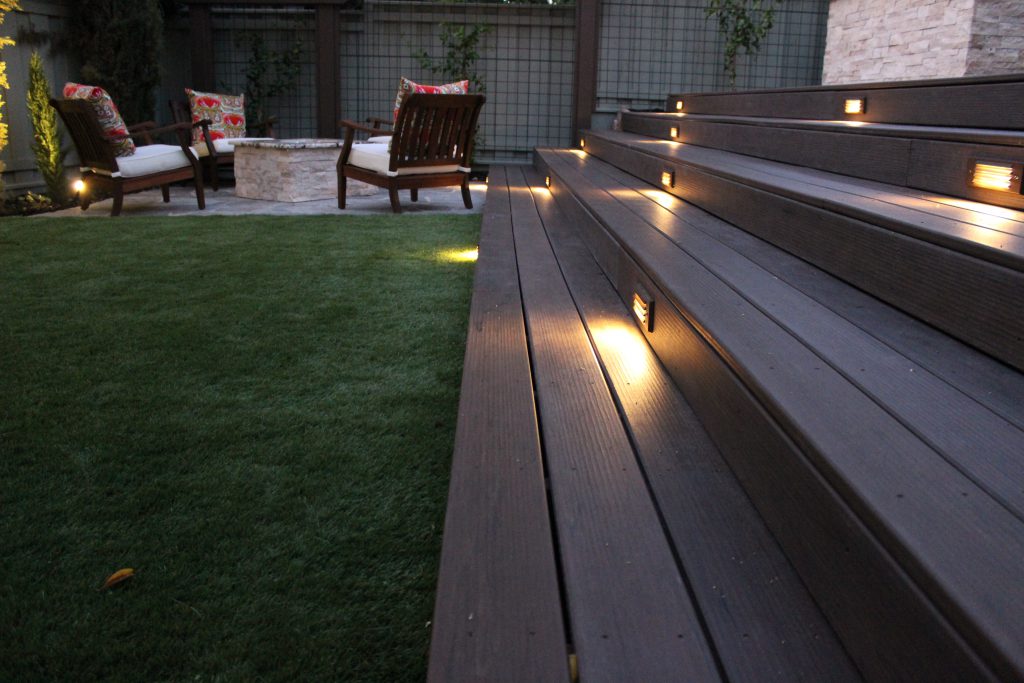
Irrigation and Landscape Lighting
Irrigation and lighting may be incorporated into the overall landscape planning process by either landscape architects or landscape designers, depending on their scope of services.
Irrigation should relate directly to the planting plan. Different plants may have different water requirements, and new hardscape can change how irrigation infrastructure needs to reach different areas of the property. Coordinating irrigation before construction can help prevent unnecessary disruption later.
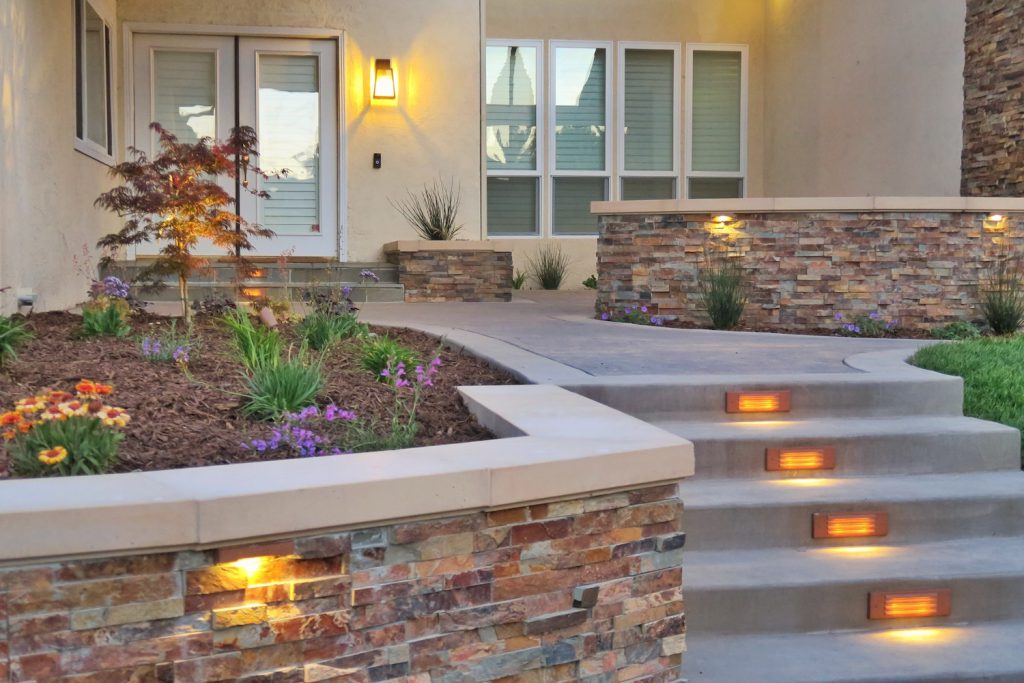
Landscape lighting also benefits from early planning. Pathways and steps may require illumination for visibility, while patios and seating areas may benefit from softer lighting. Trees, walls, and planting can also be highlighted to create visual interest after dark.
Homeowners should ask whether detailed irrigation or lighting plans are included rather than assuming these services are automatically part of a landscape design package.
How Costs May Differ
There is no universal rule that a landscape architect will always cost more than a landscape designer. Professional fees depend on experience, location, reputation, project scope, business structure, and the amount of work required.
A highly experienced residential landscape designer may charge more than a landscape architect providing limited services. Conversely, a landscape architect preparing extensive technical documentation and coordinating a complex project may have substantially higher fees than a designer creating a conceptual plan.
This is why homeowners should compare deliverables instead of comparing prices alone. One proposal might include only a general layout, while another includes detailed planting, materials, hardscape information, revisions, site visits, and construction-related coordination. Those services cannot be compared fairly based only on the total price.
Why the Professional’s Portfolio Matters
A portfolio provides valuable insight into the type of work a professional actually performs. Homeowners should look for projects similar in scale, complexity, and style to the one they are planning.
If your property has significant slopes, look for examples showing how the professional handled elevation changes. If your priority is outdoor entertaining, look for projects with well-designed patios, seating areas, circulation, and planting. If you want a naturalistic garden, evaluate the quality and maturity of planting designs.
Pay attention to how complete the landscapes feel. Hardscape, planting, lighting, circulation, and the architecture of the home should feel related rather than designed independently.
A strong portfolio can demonstrate whether the professional’s skills align with your expectations.
Why Residential Experience Matters
Residential landscapes need to support everyday life. They are not simply spaces to look at. Homeowners cook, entertain, relax, garden, play, care for pets, and move between indoor and outdoor areas throughout the day.
A professional with extensive residential experience understands these practical considerations. A patio may look attractive but feel uncomfortable if there is not enough room around furniture. A walkway may look interesting on a drawing but become inconvenient if it does not follow the route people naturally take.
Good residential design balances appearance with usability. This practical understanding can be valuable whether the professional is a landscape architect or a landscape designer.
How Design-Build Landscaping Fits Into the Picture
Some homeowners choose a design-build approach in which landscape planning and construction are coordinated through the same company or project team. This can create a smoother connection between ideas on paper and the realities of construction.
Design decisions can be evaluated with materials, installation methods, site access, sequencing, and other construction considerations in mind. The design and construction sides of the project can communicate throughout the process rather than working independently.
A design-build company may work with landscape designers, landscape architects, engineers, contractors, and other qualified professionals depending on the needs of a particular property. Homeowners should still ask who will perform the design work and what professional qualifications or experience apply to their project.
When Engineering May Be Necessary
Some residential landscape projects require specialized engineering regardless of whether a landscape architect or landscape designer is involved. Structural retaining walls, difficult drainage conditions, significant grading, foundations, soil-related concerns, and other technical elements may require appropriately qualified professionals. The specific requirements depend on the property and the proposed work.
A responsible landscape professional should recognize when additional expertise is necessary. Collaboration should not be viewed as a weakness. On complex projects, it is often evidence that the team understands the limits of each discipline and is approaching the property carefully.
Permits and Local Requirements
Landscape projects can also be affected by local regulations. Depending on the jurisdiction and scope of work, certain improvements may require permits, reviews, or additional documentation.
Requirements can apply to features such as retaining structures, substantial grading, drainage work, electrical installations, and certain constructed improvements. Rules vary by location and may change over time.
Homeowners should therefore avoid assuming that a landscape architect, landscape designer, or contractor automatically handles every permitting responsibility. The professional agreement should explain whether permit research, preparation, or coordination is included.
Property-specific requirements should always be verified with the appropriate local authorities and qualified professionals before work begins.
Can Landscape Architects and Landscape Designers Work Together?
Yes. In some cases, collaboration provides the best result. A landscape designer may contribute extensive residential design, planting, material, or construction experience while a landscape architect provides additional site-planning expertise. Engineers and contractors may then contribute their own specialized knowledge.
The goal is not to assemble the largest possible team. It is to make sure the project has the expertise it actually requires. A straightforward property may need only one experienced landscape professional. A complicated hillside transformation may require several disciplines working together.
How to Decide Which Professional You Need
Begin by evaluating your property and project goals. If the primary objective is updating planting, improving a patio, adding walkways, creating privacy, or developing outdoor living spaces on a relatively straightforward property, an experienced landscape designer may be a strong fit.
If the project involves challenging slopes, major grade changes, complex drainage, substantial site planning, or technical conditions, broader professional involvement may be appropriate. This could include a landscape architect and other specialists depending on the work.
Homeowners do not need to diagnose every technical issue themselves. During the consultation process, a qualified landscape professional should be able to identify potential concerns and explain when additional expertise may be necessary.
What to Ask Before Hiring a Landscape Professional
Ask about experience with residential projects similar to yours. Find out what the design process includes, how the property will be evaluated, how revisions are handled, and what final drawings or documents you will receive.
Discuss the major features you are considering, including patios, walkways, retaining walls, planting, irrigation, lighting, grading, and drainage. Ask which services are included and which would require another professional.
You should also ask how the design relates to construction. Some professionals provide design only, while others participate in construction coordination or work within a design-build process. When professional licensing is relevant to the proposed services, verify current credentials through the appropriate licensing authority.
What Should You Look for in a Design Proposal?
A clear proposal should explain exactly what the professional will provide. It should identify the area being designed, the anticipated design stages, the number of revisions included, and the final deliverables.
The proposal should also clarify whether planting, hardscape, irrigation, lighting, grading considerations, site visits, meetings, or construction coordination are included. This information makes it easier to compare professionals fairly.
A less expensive proposal may be appropriate, but it may also include fewer services. A higher price may reflect substantially more detailed work. Understanding the scope allows homeowners to evaluate value rather than simply choosing the lowest number.
Which Professional Is Better for a Complete Backyard Transformation?
There is no universal answer. A complete backyard transformation may be successfully planned by an experienced landscape designer, a landscape architect, or a coordinated team. The condition of the property is often the deciding factor.
A relatively level backyard with straightforward access and uncomplicated site conditions may primarily require creative residential design. A steep property with significant retaining structures, drainage issues, and multiple elevations may require broader technical coordination. For larger projects, homeowners should prioritize a comprehensive planning process rather than focusing exclusively on professional titles.
Which Is Better for High-End Residential Landscaping?
High-value residential projects often involve more features and more coordination. Extensive hardscape, custom planting, outdoor living areas, landscape lighting, irrigation, drainage, retaining structures, and other improvements need to function as one cohesive environment.
For these projects, professional experience becomes particularly important. The design team needs to understand not only how the landscape should look but also how different features interact and how the plan can be translated into construction.
A landscape architect may be appropriate for certain complex projects, while an experienced landscape designer working with qualified technical professionals can also be effective. The strongest approach is the one that combines the design vision and professional expertise actually required by the property.
Why Planning Before Construction Matters
Whether you work with a landscape architect, landscape designer, or design-build team, thoughtful planning should happen before major construction whenever possible.
Permanent landscape improvements can be expensive to change. Patios, retaining walls, pathways, drainage systems, irrigation infrastructure, and large planting areas should be coordinated before installation.
A comprehensive plan helps homeowners understand how individual improvements relate to the overall property. It can also establish a logical construction sequence and reduce the risk of one improvement interfering with another. This becomes particularly valuable when a project will be completed in stages.
Professional Landscape Design as a Long-Term Investment
Professional landscape design is not simply about producing a drawing. It provides an opportunity to think through important decisions before construction resources are committed.
A good plan considers how the property functions today and how homeowners may want to use it in the future. It can establish where outdoor living spaces belong, how circulation should work, where privacy is needed, how planting will mature, and how different improvements fit into the overall landscape.
The value of professional design therefore extends beyond the initial appearance of the yard. Thoughtful planning can help create an outdoor environment that continues to work for the household as needs change over time.
Conclusion
The difference between a landscape architect and a landscape designer matters, but choosing the right professional is not as simple as deciding which title sounds more qualified. Both can contribute significant value to residential landscape projects, and their work frequently overlaps.
A landscape architect generally operates within a more formal and regulated professional framework and may be particularly appropriate when a project involves complex site planning, grading, drainage, or other technical considerations. A landscape designer may bring extensive residential expertise in planting, hardscape, materials, outdoor living, and the practical details that make a yard comfortable and functional.
The property should ultimately guide the decision. A straightforward residential renovation may be handled successfully by an experienced landscape designer. A complicated hillside project or extensive site transformation may require a landscape architect, engineers, or a coordinated team of qualified professionals.
Homeowners should review relevant experience, portfolios, design services, professional qualifications, and the scope of each proposal before making a decision. Thoughtful planning at the beginning of the project can help coordinate hardscape, planting, circulation, drainage, lighting, irrigation, and outdoor living areas before construction begins.
Whether the project is led by a landscape designer, landscape architect, or broader design-build team, the goal is to create an outdoor environment that looks cohesive, functions naturally, responds to the property, and supports the homeowner’s lifestyle for years to come.
Frequently Asked Questions
1. What is the Main Difference Between a Landscape Architect and a Landscape Designer?
A landscape architect generally operates within a regulated professional framework that may include formal education, experience, examination, and licensing requirements. Landscape designer qualifications can vary more widely. Both may work on residential landscape projects, but their professional scope and technical responsibilities may differ.
2. Is a Landscape Architect Better than a Landscape Designer?
Not automatically. The better choice depends on the project. An experienced residential landscape designer may be ideal for many home renovations, while a landscape architect may be appropriate for projects involving more complicated site-planning or technical considerations.
3. Can a Landscape Designer Design a Complete Backyard?
Yes. Many landscape designers specialize in residential properties and can plan patios, walkways, planting, privacy, outdoor living areas, materials, and other features. The designer’s experience should be appropriate for the complexity of the project.
4. Can a Landscape Architect Create a Planting Plan?
Yes. Planting design can be part of landscape architecture. Individual expertise varies, so homeowners should review previous residential projects and ask about the professional’s planting experience.
5. Who Should I Hire for a Sloped Property?
A sloped property may require a professional with strong site-planning and grading experience. Depending on the severity of the slope and proposed improvements, landscape architecture, engineering, or other specialized professional services may be appropriate.
6. Who Designs Retaining Walls?
Landscape professionals may incorporate retaining walls into the overall design, but structural design or engineering may be required depending on wall height, loads, soil conditions, location, and applicable requirements.
7. Does a Landscape Designer Need a License?
Requirements depend on the jurisdiction and the services being provided. Homeowners should verify current local requirements and professional credentials when licensing is relevant.
Bring Your Outdoor Vision To Life With Professional Landscape Design
A successful outdoor transformation starts with thoughtful design. Grading, drainage, hardscape placement, plant selection, irrigation, lighting, and traffic flow all need to work together to create a landscape that looks great and functions well. Vince’s Landscaping brings a complete design perspective to each project, helping homeowners create outdoor spaces that feel cohesive, practical, and tailored to the property.
Since 1982, our family-owned team has helped East Bay homeowners plan and create distinctive residential landscapes. From patios, walkways, retaining walls, planting areas, and outdoor living spaces to irrigation, lighting, and complete backyard transformations, we carefully coordinate the details that shape how the finished landscape looks and performs.
If you’re looking for experienced professional landscape design to help turn your ideas into a well-planned outdoor environment, Vince’s Landscaping can help. Schedule a consultation and start creating a landscape designed around your home, lifestyle, and long-term goals.
Disclaimer
The materials available on this website are provided for general informational and educational purposes only. They are not intended to serve as professional design, construction, engineering, architectural, legal, or other specialized advice for any specific property or project. Every landscape project is different, and conditions such as grading, drainage, soil, irrigation, existing structures, local codes, permitting requirements, and site access can affect the appropriate design and construction approach. You should consult with a qualified landscape professional, contractor, landscape architect, engineer, or other appropriate professional before making decisions based on information provided on this website. Do not act or refrain from acting solely based on the content of this site. Information may change over time and may not reflect current building codes, regulations, industry standards, product specifications, or site-specific requirements. Vince’s Landscaping disclaims liability for actions taken or not taken based on the information contained on this website to the fullest extent permitted by law.
Recent Comments