
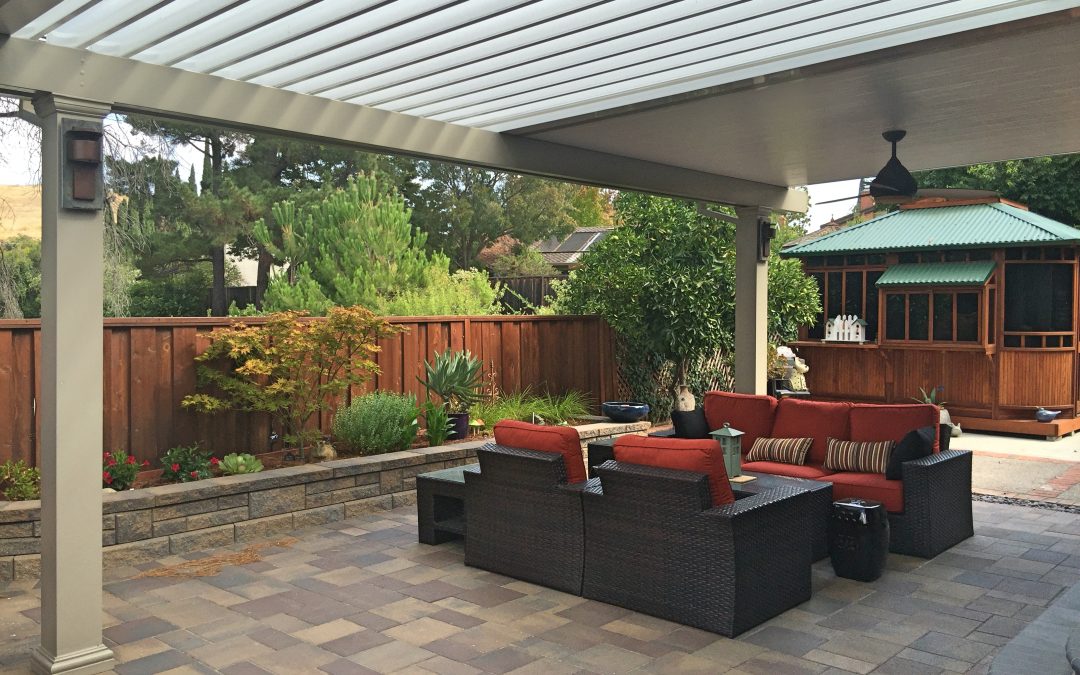
A backyard renovation often starts with a few simple ideas. You may want a larger patio, better planting, more privacy, improved drainage, or a more comfortable place to spend time outdoors. But once several improvements are being considered at the same time, the project can become much more complex than it first appears. A patio can affect drainage. A retaining wall can change the grade of the yard. New planting may require irrigation adjustments. A seating area may need better access, shade, lighting, or privacy to work well.
This is often the point when homeowners begin asking whether it is time to hire a landscape architect.
A landscape architect or qualified landscape design professional can help bring structure to a backyard project by looking at the property as a complete environment rather than a collection of separate features. Instead of deciding where to place one improvement at a time, professional landscape planning considers how hardscape, planting, grading, drainage, irrigation, lighting, circulation, privacy, and outdoor living spaces all relate to one another.
For many homeowners, the best time to involve a residential landscape architect is before major construction begins. Early planning can help identify potential conflicts, organize priorities, and create a long-term vision for the property. This can be especially valuable when a project involves permanent improvements, challenging site conditions, or multiple phases of construction.
Not every backyard project requires the same level of professional involvement. A small planting refresh is very different from a complete redesign involving retaining walls, patios, walkways, grading, irrigation, lighting, and new outdoor living areas. Understanding when professional design becomes valuable can help homeowners make better decisions before committing significant time and money to a project.
Key Takeaways
- Hire a landscape architect when your backyard project involves several interconnected features rather than one simple improvement.
- Professional landscape design is especially useful for slopes, drainage concerns, retaining walls, patios, irrigation, lighting, and major outdoor living improvements.
- A residential landscape architect can help organize your ideas into a cohesive plan before construction begins.
- Planning early can reduce conflicts between hardscape, planting, drainage, circulation, and future improvements.
- A professional landscape plan can also be useful when the project will be completed in phases over time.
- The right professional depends on the complexity of the project, site conditions, local requirements, and whether structural or engineering expertise is needed.
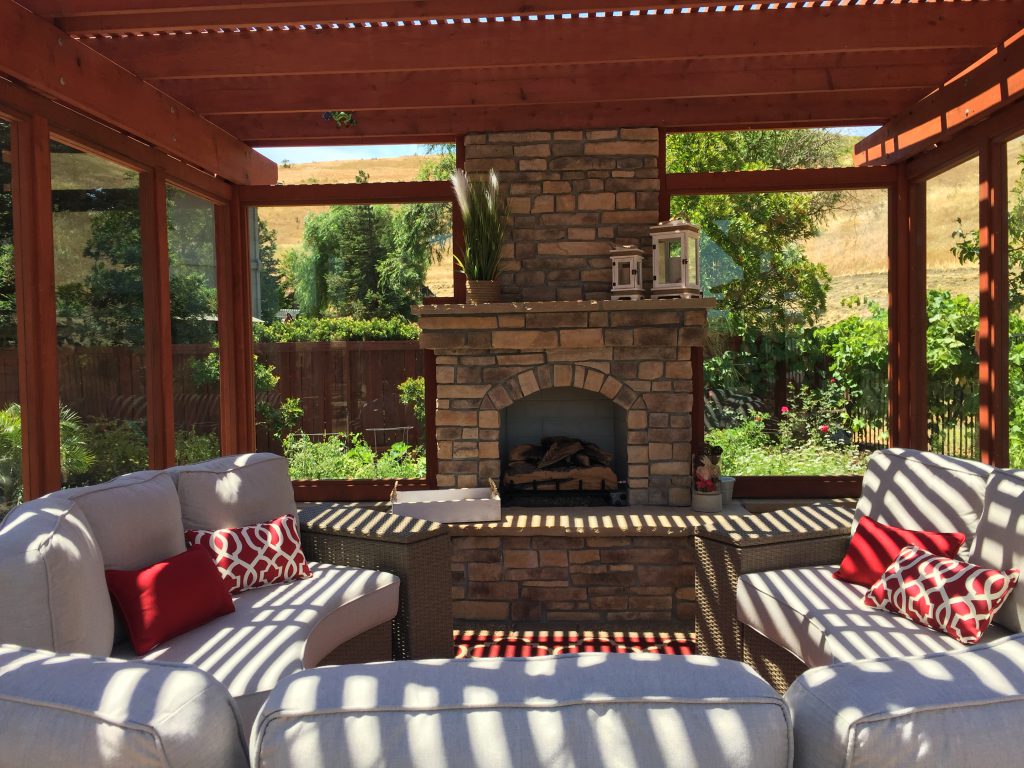
When Should You Hire a Landscape Architect?
You should consider hiring a landscape architect when your backyard project begins involving decisions that affect one another. A small improvement can often be addressed on its own, but a larger renovation usually creates a chain of design considerations.
For example, imagine that you want to install a new patio. At first, the project may seem straightforward. But then you realize that the patio needs to be connected to the house with a walkway. The area has a slight slope, so grading may be required. Water currently collects nearby after heavy rain, which means drainage needs to be evaluated. The patio will also eliminate part of an existing planting area, so new planting must be planned elsewhere. If you want to use the space after dark, lighting must be coordinated as well.
At that point, the project is no longer just about choosing a patio material. It has become a landscape design problem involving circulation, drainage, grades, planting, lighting, and overall layout. This is where professional planning can add substantial value. A landscape architect looks at the entire backyard and helps determine how each improvement should fit into a broader plan.
Hire a Landscape Architect for a Complete Backyard Transformation
One of the clearest reasons to hire a landscape architect is when you are redesigning most or all of your backyard.
A complete backyard renovation often involves a combination of patios, walkways, planting, retaining walls, irrigation, lighting, outdoor gathering areas, privacy improvements, and changes to circulation. These features can work beautifully together when they are carefully coordinated, but they can also conflict when they are planned separately.
For example, a patio installed without considering future planting may limit where trees or screening shrubs can go. A walkway may be placed in an area that later becomes important for drainage. Irrigation lines may need to cross beneath the finished hardscape. A retaining wall may change the usable area available for outdoor seating.
A professional landscape architect can help organize these decisions before construction begins. The goal is not simply to fit every desired feature into the yard. The goal is to create a backyard that feels intentional, functions well, and supports the way the homeowner wants to use the space.
A complete design also makes it easier to see the backyard as one connected environment. Instead of having a patio that feels separate from the planting, or a walkway that seems disconnected from the rest of the yard, the individual elements can be arranged so they reinforce one another.
Hire a Landscape Architect When Your Property Has Slopes
Sloped backyards can be attractive, but they usually require more planning than flat properties. A slope affects how people move through the landscape, where outdoor living areas can be placed, how water travels across the property, and whether retaining structures are needed. Even relatively modest grade changes can influence patio elevations, step locations, pathways, planting areas, and drainage.
A residential landscape architect can help determine how to work with the existing topography rather than treating the slope as an isolated problem.
In some cases, a sloped property can be divided into distinct levels. One area may become a dining terrace, another may be used for planting, and a lower section may provide space for a quiet seating area or garden. Steps, walls, and planting can be used to create transitions between these zones.
The important point is that all of these decisions should be made together. If a retaining wall is placed without considering how people will move through the yard, the result may feel awkward. If grading is changed without considering drainage, new water problems can develop.
Projects involving significant retaining walls, structural conditions, major grading, or regulated work may also require engineering, permits, or other qualified professionals depending on the property and local requirements.
Hire a Landscape Architect When Drainage Is a Concern
Drainage is one of the most important practical issues in residential landscaping. Water follows grade, and every major change to the landscape can affect how water moves across the property. Adding a patio, walkway, wall, or other hard surface can redirect runoff. Changing planting areas or elevations can create new low points. Even seemingly small changes can influence where water collects during wet weather.
A landscape architect can consider drainage while developing the overall design rather than waiting until a problem appears after construction.
This matters because drainage and design are closely connected. The location and elevation of a patio may need to respond to existing grades. A retaining wall may affect runoff patterns. Planting areas may need to be shaped differently. Pathways may require appropriate slopes. When drainage is considered early, the designer has more flexibility to create solutions that fit naturally into the landscape.
For complex drainage problems, additional professional evaluation may be necessary. The appropriate solution depends on site-specific conditions, existing structures, soils, slopes, and local requirements.
Hire a Landscape Architect Before Installing Major Hardscape
Hardscape is one of the most permanent parts of a backyard. Patios, walkways, walls, steps, and similar features are expensive to move once they have been installed. For that reason, professional planning is especially valuable before major hardscape construction begins.
A patio needs to be large enough for its intended use, but size is only one consideration. Its location should also make sense in relation to the house, doors, views, shade, privacy, drainage, pathways, and surrounding planting. A patio intended for outdoor dining may be most useful near the kitchen, while a quiet seating area may work better in another part of the yard.
Walkways also deserve careful attention. The best circulation routes usually feel natural and direct. People should be able to move easily from one part of the property to another without awkward turns or unnecessary detours. A landscape architect can evaluate these relationships before they become permanent.
Hire a Landscape Architect When You Want Better Outdoor Living Spaces
Many homeowners want their backyard to function like an extension of the home. They may want a comfortable outdoor dining area, a space for entertaining, a quiet place to relax, a garden, or a flexible area for family activities. Creating those spaces requires more than simply placing furniture outdoors.
A successful outdoor living area needs the right location, enough room for movement, a logical connection to the house, appropriate privacy, comfortable sun or shade conditions, and access to other parts of the yard. A residential landscape architect can help organize the backyard into functional areas that feel connected.
One useful way to think about landscape design is to imagine the backyard as a series of outdoor rooms. One space may be used for dining, another for conversation, and another for gardening or open activity. These areas should feel distinct enough to serve their purpose but connected enough that the overall yard feels cohesive.
Good landscape planning creates transitions between these spaces using walkways, planting, grade changes, walls, or other design elements.
Hire a Landscape Architect When You Know What You Want but Not Where It Should Go
Many homeowners collect inspiration before starting a landscape project. They may save photos of patios, planting styles, retaining walls, lighting, pathways, and outdoor gathering areas. The challenge is translating those ideas to a specific property.
A feature that looks perfect in a photograph may not work the same way on another site. The size and shape of the lot, the location of the house, sun exposure, slope, existing trees, drainage, access, and neighboring properties can all affect the design.
A landscape architect can help interpret what you like about your inspiration images and adapt those ideas to your own yard.
Perhaps what appeals to you is not a specific patio shape but the feeling of openness. Maybe you like the way planting creates privacy or how a pathway connects different areas of the landscape. A professional can identify those underlying qualities and develop a design that fits your property.
Hire a Landscape Architect When Privacy Is Important
Privacy is a common goal in residential landscaping. A backyard may feel exposed because of nearby homes, elevated neighboring properties, street visibility, or windows that overlook outdoor living areas. Professional landscape planning can help identify where privacy is most needed. The best solution is not always to surround the entire property with a continuous barrier.
A landscape architect can evaluate important sightlines and determine where screening will have the greatest effect. In some cases, strategic planting may provide enough separation. In others, walls, fences where appropriate, grade changes, or the orientation of a seating area may also contribute.
Plant selection is especially important in privacy design. Screening plants need to be chosen with mature size in mind. A plant that appears small at installation may eventually become too large for the available area, while another may never provide the level of screening the homeowner expected. Thoughtful planning helps create privacy without making the entire yard feel closed off.
Hire a Landscape Architect When Plant Selection Is Becoming Complicated
Planting design is about much more than choosing plants that look attractive at the garden center. Plants should be selected according to the conditions of the site and the long-term goals of the landscape. Sunlight, shade, soil, irrigation, maintenance expectations, mature size, privacy, seasonal appearance, and relationship to hardscape all matter.
A professional landscape architect or experienced landscape design team can help develop planting that works with the broader design. Mature size is one of the most important considerations. A shrub that looks appropriately scaled when first installed may eventually become too large for a walkway or patio. A tree planted too close to a structure can create conflicts as it grows.
Professional planting plans take growth into account so the landscape can mature more gracefully over time. Planting can also help create visual depth and structure. Larger plants can establish a framework, medium-size shrubs can define areas, and smaller plants or groundcovers can soften edges and complete the composition.
Hire a Landscape Architect When Irrigation Needs to Change
Large landscape renovations often require irrigation changes. Existing irrigation may no longer fit the new layout once planting beds, hardscape, and outdoor living areas are redesigned. Different plants may also have different water needs. Planning irrigation together with planting can help create a more coordinated result. This is especially important before the hardscaping is completed. Irrigation lines and other infrastructure are easier to install and adjust before permanent surfaces are finished.
The appropriate irrigation approach depends on site conditions, planting, regulations, available equipment, and water requirements. Qualified professionals should evaluate the system based on the needs of the specific property.
Hire a Landscape Architect When Landscape Lighting Is Part of the Project
Landscape lighting can make a backyard more useful and attractive after sunset. Good lighting design is not simply about adding as many fixtures as possible. It is about deciding what needs to be illuminated and why.
Pathways and steps may need functional lighting for visibility. A patio or seating area may need softer lighting for comfort. Trees, walls, or architectural features may be highlighted to create visual interest.
When lighting is coordinated with the overall landscape design, it can feel integrated rather than added afterward. It also helps to plan lighting before hardscape and planting are fully installed so wiring, fixture locations, and access can be coordinated more efficiently.
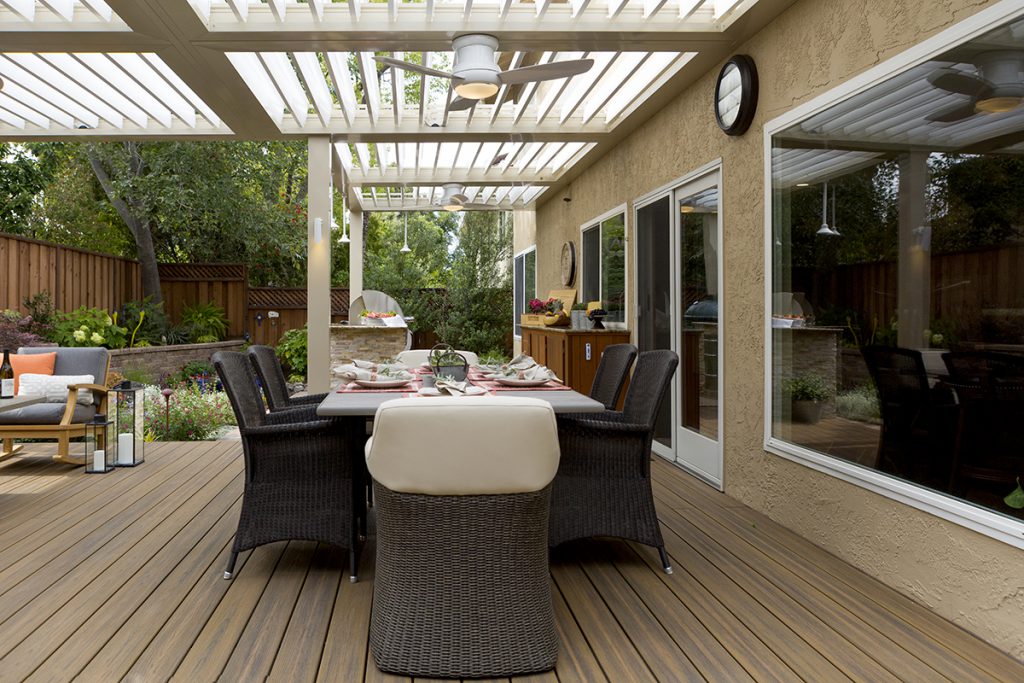
Hire a Landscape Architect If Your Project Will Be Completed in Phases
Not every homeowner wants or needs to complete the entire backyard at once. A large project may be divided into phases because of budget, scheduling, or personal priorities. In these situations, having a comprehensive landscape plan can be especially useful.
The first phase might include grading, drainage, and hardscape. A later phase could add planting and irrigation, followed by lighting or additional outdoor spaces. Without an overall plan, the first stage may unintentionally create obstacles for later work.
A landscape master plan provides a roadmap. It allows each phase to be designed with the finished backyard in mind. This can help homeowners make smarter decisions about what should happen first and how future improvements will fit.
Hire a Landscape Architect Before Expensive Decisions Become Permanent
One of the most practical reasons to hire a landscape architect is timing. Professional design has the greatest flexibility before construction begins. Once a large patio, retaining wall, walkway, or other permanent feature is installed, relocating it can be difficult and costly. By developing the design first, homeowners have an opportunity to test ideas and evaluate options before committing to construction.
Questions such as whether a patio is large enough, whether a walkway is in the right place, whether planting has enough room, or whether drainage has been properly considered can all be addressed during the planning stage. It is generally much easier to adjust a design than to rebuild a completed feature.
When Might You Not Need a Landscape Architect?
Not every backyard improvement requires comprehensive landscape architecture services. Small, straightforward projects may be appropriate to handle without a full design process. Replacing a few plants, refreshing mulch, performing routine maintenance, or making a minor isolated improvement may not require extensive professional planning. The important distinction is complexity.
A small yard can still require significant professional design if it has steep slopes, drainage issues, retaining structures, or multiple proposed improvements. A larger yard may be relatively straightforward if only one limited area is being updated. Homeowners should consider how many systems and features are involved and whether the project includes decisions that will affect one another.
Landscape Architect vs. Landscape Designer
Homeowners often encounter both landscape architects and landscape designers when researching backyard projects. Their work can overlap, but the titles are not always interchangeable. Landscape architecture is a regulated profession in many jurisdictions. Requirements for using the professional title may include education, professional experience, examination, and licensure.
Landscape designers may also have extensive residential experience, particularly with planting, hardscape, and outdoor living projects, but their qualifications and legal scope of work can differ. The most important question is whether the professional’s experience and qualifications are appropriate for the project.
A straightforward residential renovation may have different requirements than a project involving significant grading, structural work, retaining walls, drainage, engineering, or regulated approvals. Homeowners should verify credentials when licensure is required and ask prospective professionals about the specific services they provide.
What Should You Discuss During a Landscape Design Consultation?
A landscape design consultation is most productive when homeowners come prepared to talk about how they want the property to function. Rather than focusing only on individual features, think about the problems you want the project to solve.
Perhaps the backyard feels disconnected from the house. Maybe the existing patio is too small. Privacy may be limited. The landscape may require more maintenance than you want. Certain areas may receive too much sun, collect water, or remain unused. These concerns help the designer understand what the project should accomplish.
It is also useful to think about your priorities. If several improvements are being considered, determine which are essential and which are optional. This can help guide design decisions if space, budget, or project phasing becomes a factor.
Inspiration photos can be useful as well. They help communicate preferences for materials, planting styles, colors, textures, and overall atmosphere. The goal is not to copy another property exactly but to identify what appeals to you and adapt those ideas to your own site.
How Does a Professional Landscape Architect Improve the Design Process?
The greatest value of professional landscape planning often comes from coordination. A backyard contains systems that interact with one another. Hardscape affects drainage. Planting depends on irrigation. Walls influence grade. Lighting relates to pathways and outdoor living areas. Privacy depends on orientation, planting, and surrounding properties. When these elements are planned independently, problems are more likely to appear later.
A landscape architect considers the relationships between them and creates a more unified design. This can also improve the visual character of the property. Repeating materials, coordinating plant forms, creating logical pathways, and using consistent design principles can make separate parts of the backyard feel connected. The finished landscape should look as though it was planned as a whole rather than built through unrelated projects.
Can a Landscape Architect Help Improve Long-Term Property Value?
A landscape architect cannot guarantee a specific financial return. Property value depends on many factors, including location, market conditions, the condition of the home, construction quality, maintenance, and buyer preferences. Thoughtful landscape planning can help homeowners invest in improvements that make the property more functional, cohesive, and enjoyable.
For many homeowners, the greatest value is not purely financial. A better-designed backyard can provide more usable living space, improve privacy, create easier circulation, reduce awkward areas, and make the property more enjoyable every day. These benefits can be meaningful even if the homeowner is not planning to sell in the near future.
How Early Should You Hire a Landscape Architect?
If you are planning a substantial backyard renovation, it is generally best to involve a landscape architect early. Early design provides more flexibility. It allows the professional to evaluate the existing property before major decisions have been made and helps ensure that permanent improvements are placed in the most appropriate locations.
Waiting until after construction has begun can limit options. This is especially important when several contractors, systems, or phases of work need to be coordinated. A design-first approach can help establish a clear direction before significant resources are committed to construction.
Conclusion
The best time to hire a landscape architect is when your backyard project becomes more than a simple, isolated improvement. If you are planning several connected features, working with challenging slopes, addressing drainage, installing permanent hardscape, creating new outdoor living areas, or redesigning most of the property, professional planning can help create a clearer path forward.
A residential landscape architect can look at the backyard as a complete system and determine how hardscape, planting, grading, drainage, irrigation, lighting, privacy, and circulation should work together. That broader perspective can be valuable before expensive decisions become permanent. Even if the project will be completed gradually, a well-developed plan can guide each phase and help maintain consistency over time.
Ultimately, the goal is not simply to add attractive features to a backyard. It is to create an outdoor environment that feels cohesive, functions well, responds to the property, and supports the homeowner’s lifestyle for years to come.

Frequently Asked Questions
1. When Should I Hire a Landscape Architect for My Backyard?
You should consider hiring a landscape architect when your project involves several connected improvements, such as patios, retaining walls, grading, drainage, planting, irrigation, lighting, or a complete backyard redesign. Professional planning is especially valuable when site conditions are challenging or when major permanent features are involved.
2. Do I Need a Landscape Architect for a Small Backyard?
Not always. The size of the yard is less important than the complexity of the project. A small backyard with slopes, drainage problems, structural elements, or several proposed improvements may still benefit from professional landscape planning.
3. Should I Hire a Landscape Architect Before Starting Construction?
For a substantial project, it is generally beneficial to develop the landscape plan before major construction begins. Early planning allows hardscape, planting, drainage, circulation, and future improvements to be considered together.
4. Can a Landscape Architect Help with Drainage?
Drainage can be an important part of landscape planning because changes in grade and hardscape can affect how water moves across a property. Complex drainage conditions may require additional evaluation by qualified engineering or drainage professionals.
5. Can a Residential Landscape Architect Design Patios and Walkways?
Yes. Landscape planning commonly includes patios, walkways, steps, outdoor gathering areas, planting, circulation, and the relationships between those features. Structural or regulated work may require additional qualified professionals depending on the project.
6. Can a Landscape Architect Choose Plants for My Backyard?
Planting design can be part of landscape architecture and professional landscape design. Plant selection may consider sunlight, soil, mature size, irrigation, maintenance, privacy, seasonal appearance, and compatibility with the overall design.
7. Should I Get a Landscape Design Before Installing a Patio?
If the patio is part of a larger backyard renovation, developing the overall landscape plan first can be helpful. It allows the patio location and size to be considered alongside pathways, drainage, planting, irrigation, lighting, and future improvements.
Bring Your Outdoor Vision To Life With An Experienced Landscape Architect
A successful outdoor transformation starts with thoughtful design. Grading, drainage, hardscape placement, plant selection, irrigation, lighting, and traffic flow all need to work together to create a landscape that looks great and functions well. Vince’s Landscaping brings a complete design perspective to each project, helping homeowners create outdoor spaces that feel cohesive, practical, and tailored to the property.
Since 1982, our family-owned team has helped East Bay homeowners plan and create distinctive residential landscapes. From patios, walkways, retaining walls, planting areas, and outdoor living spaces to irrigation, lighting, and complete backyard transformations, we carefully coordinate the details that shape how the finished landscape looks and performs.
If you’re looking for a Landscape Architect who can help turn your ideas into a well-planned outdoor environment, Vince’s Landscaping can help. Schedule a consultation and start creating a landscape designed around your home, lifestyle, and long-term goals.
Disclaimer
The materials available on this website are provided for general informational and educational purposes only. They are not intended to serve as professional design, construction, engineering, architectural, legal, or other specialized advice for any specific property or project. Every landscape project is different, and conditions such as grading, drainage, soil, irrigation, existing structures, local codes, permitting requirements, and site access can affect the appropriate design and construction approach. You should consult with a qualified landscape professional, contractor, landscape architect, engineer, or other appropriate professional before making decisions based on information provided on this website. Do not act or refrain from acting solely based on the content of this site. Information may change over time and may not reflect current building codes, regulations, industry standards, product specifications, or site-specific requirements. Vince’s Landscaping disclaims liability for actions taken or not taken based on the information contained on this website to the fullest extent permitted by law.
Recent Comments