
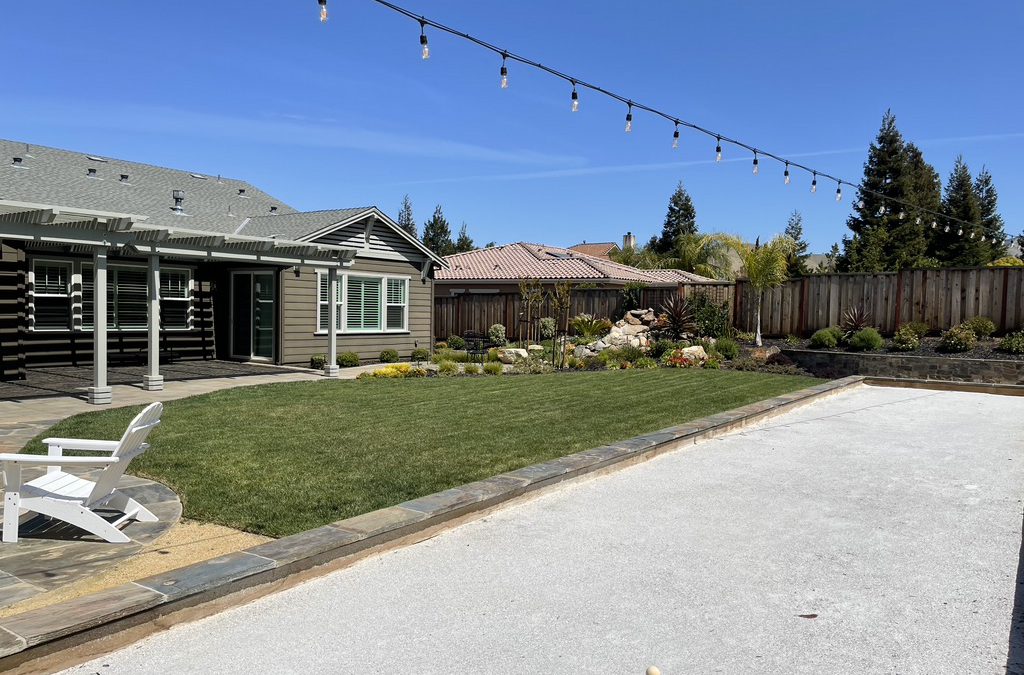
Ask ten homeowners what “landscaping” means and you’ll get ten different answers. Ask a contractor who just spent three weeks regrading a backyard and pouring footings for a retaining wall, and you’ll get a very different answer than the guy who mows your lawn every Tuesday. That gap in understanding costs people money. It leads to hiring a lawn crew to fix a drainage problem that needs an engineer or calling in heavy equipment for a job that just needs some fresh mulch and a trim.
The real answer is this: landscape construction is about building permanent, structural changes to a piece of land, things like retaining walls, patios, and drainage systems, while general landscaping is about maintaining and beautifying what’s already there through mowing, planting, and seasonal upkeep. One reshapes the property. The other keeps it alive and looking sharp. Confusing the two, or hiring the wrong specialist for the job, is probably the single most common mistake I see property owners make when planning outdoor projects.
Key Takeaways
- Landscape construction deals with permanent, engineered changes to land, like grading, retaining walls, drainage, and patios. It’s project-based and usually requires permits.
- General landscaping is about ongoing care of living elements, like lawns, flower beds, and shrubs, and rarely needs regulatory approval.
- Construction work leans on civil engineering and soil mechanics. Landscaping leans on horticulture and design sense.
- Most serious outdoor renovations need construction work done first, before any softscaping goes in.
- Knowing which discipline your project falls under determines whether you call a landscape contractor or a landscaping team, and that choice affects your budget, timeline, and paperwork.
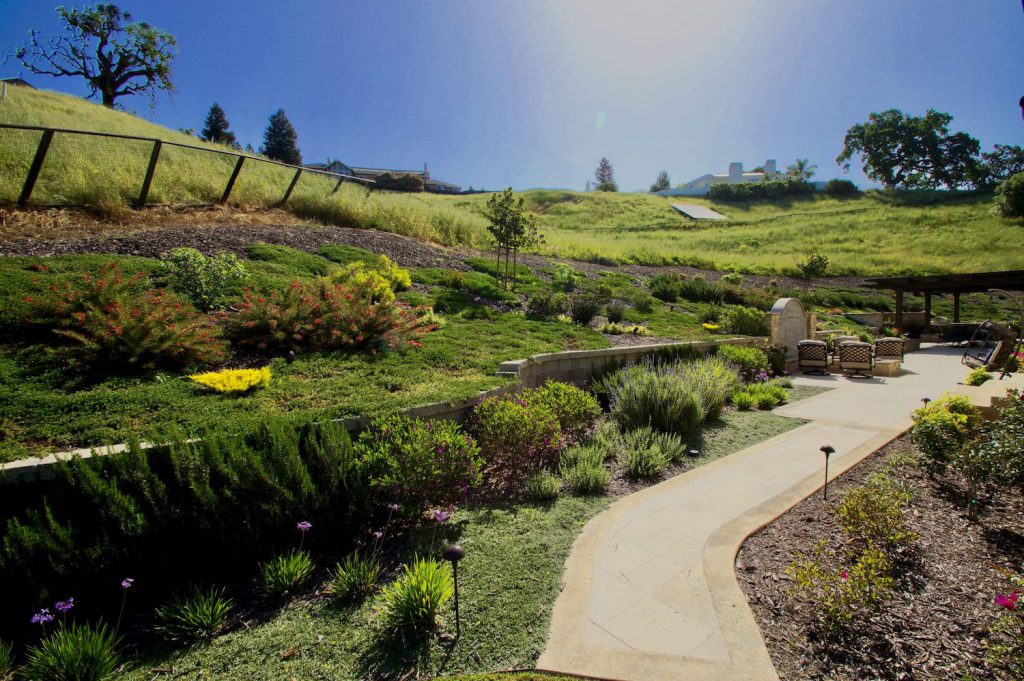
What Sets Landscape Construction Apart From General Landscaping?
Scope and Permanency
The clearest way to separate these two fields is to ask a simple question: is this recurring, or is this final? General landscaping is a rhythm. It repeats every week, every season, forever, as long as someone owns the property and wants it to look decent. Landscape construction, on the other hand, is a discrete event with a start date and an end date. You grade the land, you build the wall, you pour the patio, and then it’s done. Barring a renovation years down the road, that structural work isn’t happening again. Industry breakdowns from firms like Oakhill Outdoor draw this same line, describing general landscaping as recurring and non-permanent, centered on keeping existing outdoor environments alive and tidy through mowing, planting, and cleanup, whereas construction is about reshaping the land itself.
Materials and Life Cycle
Here’s where the vocabulary starts to matter. “Softscape” refers to the living, seasonal stuff: turf, flowers, mulch, shrubs, anything with a life cycle tied to sun and rainfall. Hardscape is everything else, the stone, wood, metal, and concrete that doesn’t care what season it is. According to research from Yellowstone Landscape, softscaping flexes with the calendar, while hardscaping stays put. Bay Scenery frames it similarly, noting that landscape construction deals with permanent changes using durable materials to control water runoff and dictate how people move through a space. That distinction alone should tell you which crew to call. Need new sod? That’s softscape, that’s landscaping. Need a retaining wall because your backyard is sliding toward the neighbor’s fence? That’s hardness, and that’s construction.
Skillsets and Regulations
I’ve talked to enough contractors to know this isn’t just semantics, the skill sets genuinely don’t overlap much. A landscaper needs to understand soil composition for planting, sun exposure, plant compatibility, and pruning cycles. A landscape construction crew needs to understand load-bearing walls, slope stability, and drainage calculations. Landscape Development, Inc. points out that construction demands civil contractor knowledge and mastery of soil mechanics, not just an eye for color and texture. And because construction permanently alters a site’s footprint, Bay Scenery notes it mandates strict adherence to building codes, zoning rules, and formal permitting, hurdles that routine landscaping seldom faces.
What Falls Under General Landscaping Services?
General landscaping services typically focus on maintaining, improving, and caring for the living elements of an outdoor space. Unlike landscape construction, which often involves significant excavation, structural work, hardscaping, drainage, or installation of permanent features, general landscaping is more focused on the health, appearance, and ongoing maintenance of lawns, plants, trees, and garden areas.
The exact services offered can vary from one landscaping company to another, but several categories are commonly included.
Seasonal Cleanup and Softscape Design
Landscapes change throughout the year, which is why seasonal cleanup is another common landscaping service. Spring cleanup may involve removing accumulated leaves and debris, cutting back certain plants, clearing garden beds, refreshing mulch, and preparing the property for the growing season.
Fall cleanup can involve leaf removal, pruning, clearing dead vegetation, and preparing planting areas for colder or wetter weather. Other seasonal services may include replacing annual flowers, refreshing decorative planting areas, or adjusting maintenance practices based on changing conditions.
Softscape design focuses primarily on living and organic landscape elements rather than structural features. This can include the arrangement of lawns, trees, shrubs, flowers, ground covers, and garden beds.
A thoughtful softscape layout considers more than appearance. Plant selection and placement can take into account sunlight, soil conditions, available space, mature plant size, watering requirements, and maintenance needs. The goal is to create a landscape that looks intentional while giving plants an appropriate environment in which to grow.
Soil Health and Horticultural Care
Healthy soil provides the foundation for successful planting. Landscaping services may therefore include soil preparation, mulching, compost incorporation where appropriate, pH considerations, and other horticultural practices designed to support plant growth.
Soil problems can affect an entire landscape. Compacted soil may restrict root development and water movement, while poor drainage can contribute to root problems and plant decline. Nutrient deficiencies can also affect growth and appearance.
Mulching is another common landscaping practice. Properly applied mulch can help moderate soil moisture, reduce weed competition, and protect soil from certain environmental stresses. Mulch should be applied appropriately and kept away from direct contact with plant trunks and stems.
Horticultural care also involves understanding the needs of different plants. Trees, shrubs, turf, flowers, and ground covers do not all require identical watering, pruning, fertilization, or sunlight conditions. A knowledgeable landscaping professional can help maintain plants according to their individual requirements rather than applying the same maintenance approach throughout the property.
Tree and Shrub Care
Many general landscaping companies also provide basic tree and shrub maintenance. Services may include pruning, trimming, removal of dead growth, shaping, and general plant-health monitoring.
Regular pruning can help maintain the desired appearance of shrubs and prevent vegetation from obstructing walkways, windows, driveways, or other areas. Removing dead or damaged growth can also improve the appearance of plants and, depending on the situation, support healthier growth.
Homeowners should distinguish routine landscape maintenance from specialized tree work. Large trees, hazardous branches, extensive removals, or work requiring climbing and specialized equipment may require a qualified tree-care professional.
When hiring a landscaping company, it is therefore worth asking exactly what level of tree and shrub service is included. A company that provides routine pruning may not necessarily be equipped or qualified to handle complex tree work.
Weed Management and Garden Bed Maintenance
Weed management is another important part of general landscaping. Weeds compete with desirable plants for water, nutrients, sunlight, and growing space. Regular removal helps garden beds remain neat and reduces competition for established plants.
Maintenance may include hand weeding, cultivation, mulching, and other appropriate control methods. Where herbicides are used, homeowners should ask what products are being applied, where they will be used, and what precautions are necessary.
Garden bed maintenance can also include removing dead flowers, cutting back appropriate plants, refreshing mulch, and maintaining clean edges around planting areas. These relatively small tasks can have a significant effect on the overall appearance of a property.
Irrigation Monitoring and Adjustments
Irrigation is closely connected to landscape maintenance because even well-selected plants can struggle when they receive too much or too little water. Some landscaping companies provide basic irrigation monitoring and adjustments as part of routine service.
This may include checking sprinkler coverage, adjusting sprinkler heads, identifying obvious leaks, changing watering schedules, and making minor adjustments based on seasonal conditions.
More complicated irrigation repairs or complete system installations may fall outside the scope of general landscaping and require a dedicated irrigation professional. Homeowners should clarify the distinction when reviewing a service agreement.
Mulching and Ground Cover Maintenance
Mulching is commonly included in seasonal landscaping services. Organic mulch can help improve the appearance of planting beds while supporting moisture retention and reducing weed growth.
Over time, mulch breaks down or becomes displaced, so beds may need periodic refreshing. Landscaping professionals can remove excessive material where necessary, redistribute existing mulch, and add new material to maintain an appropriate layer.
Ground covers may also require trimming or maintenance to prevent them from spreading into unwanted areas. Keeping these plants properly managed helps maintain defined planting zones and prevents pathways, lawns, or other landscape elements from becoming overgrown.
General Landscape Cleanup
Routine cleanup is often what makes the difference between a landscape that looks maintained and one that appears neglected. General cleanup can include removing fallen branches, leaves, dead plant material, weeds, and other debris.
Landscaping crews may also blow or sweep hard-scape surfaces, collect green waste, and leave maintained areas looking orderly after completing scheduled work.
For properties with extensive gardens or mature vegetation, cleanup can become a substantial recurring task. A regular maintenance agreement can help prevent debris and overgrowth from accumulating to the point where a major cleanup is necessary.
When General Landscaping Is Not Enough
General landscaping services are appropriate for many routine outdoor maintenance needs, but they are not a substitute for landscape construction when a project involves significant structural or site changes.
Installing a new retaining wall, constructing a large patio, performing substantial grading, rebuilding drainage, installing extensive hardscape, or completely transforming a backyard may require landscape construction expertise rather than routine maintenance.
Understanding this distinction can help homeowners hire the right type of professional for the job. General landscaping is primarily about maintaining and caring for the landscape, while landscape construction focuses on building, modifying, or substantially transforming the outdoor environment.
Landscape Construction vs Maintenance: Core Differences at a Glance
| Feature | General Landscaping | Landscape Construction |
| Primary Focus | Plant health, lawn care, aesthetics | Grading, drainage, structural foundations |
| Project Timeline | Ongoing, seasonal, recurring | Fixed-duration, project-based |
| Core Materials | Softscape: turf, flowers, mulch | Hardscape: stone, concrete, wood, metal |
| Regulatory Needs | Minimal oversight | Building permits, code compliance |
| Core Expertise | Horticulture, agronomy | Civil engineering, soil mechanics |
Do You Need a Permit for Landscape Construction Projects?
In most cases, yes, and this trips up a lot of homeowners who assume a backyard project is exempt from the same rules that govern actual buildings. Retaining walls above a certain height, structures that affect drainage onto neighboring lots, and anything involving electrical or plumbing work typically need sign-off from local building departments. Diamond Cut Landscapes has pointed out that this permitting burden is one of the clearest lines separating construction from routine maintenance, since nobody’s pulling a permit to mow a lawn. If you’re unsure whether your project needs one, it’s worth checking with your city’s planning office before breaking ground, because retroactive permits are a headache nobody wants.
Which Residential Projects Require Landscape Construction?
Not every outdoor improvement requires a landscape construction company. Routine mowing, pruning, planting, and seasonal cleanup can usually be handled through general landscaping services. Once a project involves significant excavation, grading, structural elements, drainage changes, or permanent hardscape installation, it moves into the realm of landscape construction.
Understanding the difference is important because construction-oriented projects require more planning, specialized equipment, technical knowledge, and coordination than routine landscape maintenance.
Pool Renovation and Surrounding Landscape Upgrades
Pool projects are a common example of residential work that can require landscape construction. Renovating or significantly modifying a pool area may involve demolition, excavation, grading, drainage, hardscape replacement, retaining structures, or changes to the surrounding landscape.
For example, replacing an outdated pool deck with new pavers is more than simply removing the old surface and installing a new one. The underlying area may need to be evaluated for settlement, drainage, slope, and base stability before the new surface is installed.
A larger pool-area renovation may also involve new retaining walls, outdoor seating areas, planting zones, lighting, pathways, or changes to how water moves around the property. When several of these elements are combined, professional construction coordination becomes especially important.
Outdoor Kitchen Construction
A permanent outdoor kitchen generally falls under landscape construction because it can involve a combination of hardscape, structural work, utilities, and site preparation.
An outdoor kitchen may include a built-in counter, cabinets, masonry components, a grill, refrigeration, electrical connections, lighting, plumbing, or gas-related work depending on the design. The surrounding patio or foundation may also need to support the structure properly.
The project therefore requires more than simply placing outdoor furniture or a portable grill on an existing patio. The contractor needs to consider the kitchen’s location, access, drainage, surface preparation, utility coordination, and relationship to other outdoor living areas.
When specialized electrical, plumbing, or gas work is involved, those portions may also require appropriately qualified professionals.
Multi-Tier Retaining Wall Systems
Retaining walls are another clear example of construction-oriented landscape work. A small decorative garden wall may be relatively straightforward, but larger retaining structures can have significant structural and drainage considerations.
A multi-tier retaining wall system may be used to divide a sloped property into several usable areas. Building those terraces can require excavation, grading, compacted base materials, drainage systems, reinforcement, and careful attention to soil pressure and water movement.
The higher and more complex the walls become, the more important proper design and construction methods are. In some situations, engineering or other specialized professional input may be necessary.
Homeowners should not assume that every retaining wall can be treated as a simple landscaping feature. Its height, location, soil conditions, drainage requirements, and relationship to structures can all affect the appropriate construction approach.
Converting a Sloped or Muddy Backyard Into Usable Space
A backyard that is steep, uneven, poorly drained, or difficult to use can often be transformed through landscape construction. Creating a functional outdoor area may require substantial changes to the existing site.
Depending on the property, the work could include excavation, soil removal, grading, imported fill, retaining walls, drainage improvements, stairs, pathways, patios, and planting areas.
For example, converting a steep backyard into multiple usable zones may require a combination of retaining walls and terraces. Each level needs to be properly graded and connected so that water does not accumulate or cause erosion.
This type of project is significantly different from simply adding plants or decorative landscaping. The contractor is changing the physical characteristics of the property, which is why careful planning and site evaluation are important.
Stone and Paver Patio Installation
A new stone or paver patio can look like a relatively simple project, but proper installation involves considerably more than placing individual pieces on the ground.
A durable patio typically requires appropriate excavation, subgrade preparation, aggregate base, compaction, bedding material, edge restraints where applicable, joint treatment, and drainage considerations. The exact construction method depends on the material, site conditions, expected use, and design.
If the underlying base is inadequately prepared, the patio may eventually settle, shift, develop uneven areas, or experience drainage problems. That is why homeowners should compare not only the visible materials offered by contractors but also the installation methods included in each proposal.
A higher-quality installation may cost more initially because more attention is being given to the foundation beneath the finished surface.
Driveways, Walkways, and Large Hardscape Areas
Large walkways, driveways, courtyards, and other hardscape installations can also fall under landscape construction. These projects can require excavation and grading while needing to withstand regular pedestrian or vehicle traffic.
The contractor may need to account for existing grades, drainage patterns, soil conditions, access, and connections to other hardscape or structures.
Large hardscape areas can also significantly change the amount of water flowing across a property. Adding an extensive impermeable or relatively low-permeability surface without considering runoff can create problems elsewhere on the site.
For that reason, drainage should be evaluated as part of the overall design rather than addressed only after the hardscape has been installed.
Major Drainage and Grading Projects
Drainage improvements are often construction projects when they involve changing site grades, installing underground drainage systems, constructing channels, adding catch basins, or rerouting significant amounts of water.
A homeowner might initially describe the problem as a simple “wet backyard,” but the underlying issue could involve slope, soil conditions, runoff from surrounding areas, or inadequate existing drainage.
Correcting the problem may require reshaping portions of the property so water flows toward an appropriate discharge point. In other cases, underground drainage components may be necessary.
Because drainage work affects the entire landscape, it should be coordinated with patios, retaining walls, planting areas, irrigation, and other improvements whenever possible.
Outdoor Living and Entertainment Areas
Large outdoor living spaces often combine multiple construction elements. A single project might include a patio, pergola, outdoor kitchen, fire feature, seating area, retaining wall, lighting, planting, and drainage improvements.
Although each feature may appear relatively straightforward by itself, combining them creates a project that requires careful sequencing and coordination.
For example, underground utilities and drainage may need to be installed before finished hardscape is completed. Structural elements may need appropriate foundations, while planting and irrigation may need to be coordinated around the finished construction.
This is one reason major backyard transformations are usually best approached as integrated projects rather than a collection of unrelated installations.
Landscape Lighting and Electrical Features
Basic decorative landscape lighting may be relatively simple, but larger lighting systems associated with a major landscape renovation can require construction planning and utility coordination.
Lighting for steps, retaining walls, outdoor kitchens, pathways, patios, water features, and entertainment areas needs to be planned around the final landscape layout. Wiring and conduit routes may need to be established before certain hardscape or planting areas are completed.
Where electrical work is involved, homeowners should make sure the appropriate qualified professionals handle the work required for the project.
Why These Projects Are More Than “Landscaping”
The main distinction is the type of work being performed. General landscaping primarily maintains or improves existing outdoor spaces through planting, pruning, lawn care, cleanup, and horticultural services.
Landscape construction, by comparison, changes the physical environment. It may involve digging, moving soil, building structures, installing permanent surfaces, changing grades, managing drainage, or coordinating multiple construction systems.
That distinction affects the project’s budget, timeline, equipment requirements, planning, and contractor qualifications.
A homeowner planning a simple planting refresh may only need a landscaping service. Someone planning a new patio, retaining wall, outdoor kitchen, drainage system, pool-area renovation, or complete backyard transformation should look for a contractor with experience handling construction-level work.
How to Tell Which Type of Contractor You Need
A useful starting point is to ask whether the project changes the structure or physical layout of the property.
If the work mainly involves maintaining existing plants and lawn areas, general landscaping may be sufficient. If it involves excavation, structural construction, significant grading, drainage modifications, extensive hardscape, or multiple interconnected outdoor features, landscape construction is more likely to be appropriate.
When in doubt, describe the complete project to prospective contractors rather than asking about individual tasks separately. A contractor can then evaluate the site and determine what preparation, materials, equipment, and specialists may be needed.
Choosing the right type of contractor at the beginning can help prevent problems later. Major residential landscape projects are easier to manage when the contractor understands not only how the finished space should look, but also how the underlying systems need to be constructed to make that space durable, functional, and suitable for long-term use.
How Do Commercial and Urban Projects Use Landscape Construction?
Scale changes everything. Commercial landscape construction often overlaps with civil engineering on a much bigger stage, like stormwater management systems for a shopping center, green roofs on office buildings, or large-scale landscape architecture tied into a city’s public infrastructure. Citizen Sustainable’s analysis of the industry notes how urban projects increasingly blend sustainability goals with structural design, since municipalities now expect drainage and erosion control to be built into commercial sites from day one, not bolted on afterward.
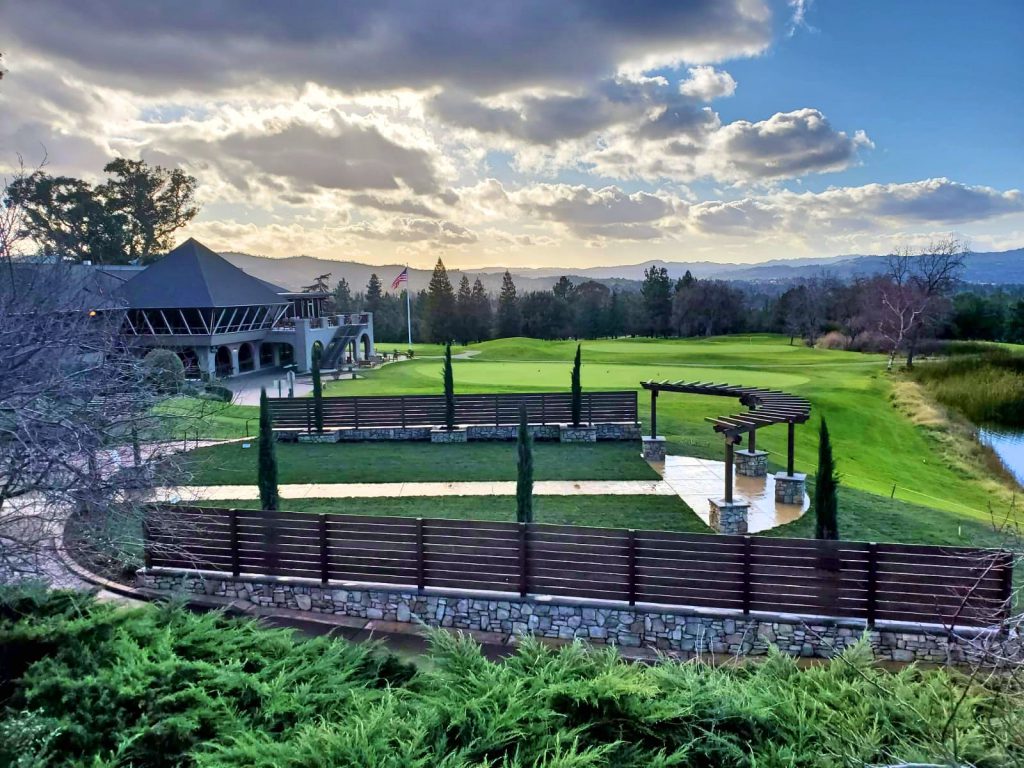
How Do You Choose Between a Landscape Contractor and a Landscaper?
Ask yourself what’s actually changing. If you’re altering the shape, grade, or structure of your land, you need a landscape contractor or a design-build company with construction expertise and, likely, an engineer’s input. If you’re maintaining or beautifying what already exists, a landscaping team handles that just fine. A useful gut check offered by Architectural Landscape Construction is to ask whether a project involves masonry or structural work, since that’s usually where a general landscaper’s scope ends and a specialized contractor’s begins.
Should You Plan Landscape Construction Before Adding Softscaping?
Almost always, yes. For a major residential landscape project, landscape construction should generally be planned and completed before permanent softscaping is installed. The reason is simple: construction work often requires excavation, grading, material delivery, equipment access, and other activities that can disturb newly planted areas.
Softscaping—such as lawns, trees, shrubs, flowers, ground cover, and garden beds—is typically much easier to install once the major structural and site-preparation work has been completed.
Start With the Site Work
Before deciding where permanent plants should go, the property’s basic physical conditions should be evaluated. This can include existing grades, drainage patterns, soil conditions, access points, and areas where excavation or construction will occur.
If the project requires significant grading, for example, the ground may need to be reshaped before planting areas can be finalized. Installing plants before that work is complete creates the possibility that those plants will have to be removed or damaged when the grading equipment arrives.
The same principle applies to drainage. If water needs to be redirected through grading, drainage piping, catch basins, channels, or other improvements, those systems should generally be addressed before finished planting areas are established.
Complete Hardscape Before Permanent Planting
Hardscape features such as patios, retaining walls, walkways, outdoor kitchens, steps, and other structures should typically be installed before most permanent softscaping.
These projects can require excavation and heavy equipment. Materials also need to be transported across the property, and workers may need room to move equipment and supplies.
Once construction is finished, the contractor can establish planting areas around the completed structures. This allows the final landscape design to account for the actual location and elevation of patios, walls, walkways, and other features.
Why Planting First Can Create Problems
Planting a garden before construction is complete may seem like a way to make progress, but it can create unnecessary expense and disruption.
Imagine a homeowner installs new shrubs, flowers, and ground cover around a backyard before realizing that the area needs substantial drainage improvements. When the drainage contractor needs to excavate trenches or install underground piping, portions of the newly planted landscape may have to be removed.
The same issue can occur with irrigation. If irrigation lines are installed based on an unfinished landscape design, later changes to patios, retaining walls, grading, or planting beds can require those lines to be relocated.
In other words, installing softscaping too early can mean paying twice for portions of the same landscape.
A Typical Landscape Construction Sequence
While every project is different, a major residential landscape renovation may follow a general sequence such as:
- Site evaluation and planning
- Finalization of the landscape design
- Site preparation and demolition
- Excavation and grading
- Drainage installation
- Utility and irrigation rough-ins
- Retaining walls and other structural elements
- Patios, walkways, and other hardscape
- Soil preparation
- Irrigation adjustments and testing
- Trees, shrubs, lawn, and other softscaping
- Mulching and finishing
- Final cleanup and project inspection
Not every project will follow this exact order. Some activities overlap, and certain planting or erosion-control measures may need to happen earlier depending on site conditions. The contractor should establish the appropriate sequence based on the project’s design and construction requirements.
What About Existing Trees and Plants?
Planning construction first does not mean every existing plant needs to be removed. Mature trees and established vegetation may be worth preserving, particularly when they contribute shade, privacy, character, or significant landscape value.
If existing vegetation is staying, it should be identified during the planning stage. Construction access, excavation, grading, and material storage should then be planned around protected areas whenever possible.
Trees are particularly important to consider because excavation or heavy equipment operating too close to established root zones can cause damage even when the trunk itself is untouched.
A good landscape plan therefore considers both what needs to be built and what needs to be protected.
When Can Softscaping Begin?
Softscaping can usually begin once the major construction activities that could disturb planting areas have been completed.
At that point, the contractor can work with the finished grades and hardscape layout rather than trying to predict where everything will ultimately end up.
Soil can be prepared, irrigation can be adjusted, planting areas can be finalized, and trees and shrubs can be installed according to the completed design.
Timing may also depend on the type of plants being installed and seasonal growing conditions. Some plants may establish better during particular periods of the year, so the landscape schedule should account for both construction requirements and horticultural needs.
The Bottom Line
The best landscape projects are usually built in a logical sequence rather than treating every component as a separate task. Construction establishes the foundation; softscaping finishes the environment.
Complete the major grading, drainage, structural work, and hardscape first whenever the project requires those elements. Then install permanent planting once heavy construction is largely finished.
Taking this approach can reduce plant damage, minimize rework, protect the landscaping investment, and make it easier to create a cohesive finished design. A little planning at the beginning can prevent the frustrating situation of watching newly installed landscaping get dug up or damaged because construction work was scheduled in the wrong order.
What Should You Ask a Landscape Professional Before Hiring Them?
- Do you handle both design and construction, or just one side of the project?
- What permits will this project require, and who’s responsible for pulling them?
- What’s your experience with grading and drainage on properties similar to mine?
- Can you provide references from past construction projects, not just planting jobs?
- What’s the expected timeline, and how does weather affect the schedule?
Conclusion
The line between these two fields isn’t academic. It determines who you call, what you pay, and whether your project needs a permit application or just a Saturday morning. Landscape construction builds the bones of an outdoor space, the grading, the walls, and the drainage that everything else depends on. General landscaping keeps that space alive and looking cared for once the bones are in place. Most successful outdoor projects need both, just not from the same crew, and usually not at the same time.
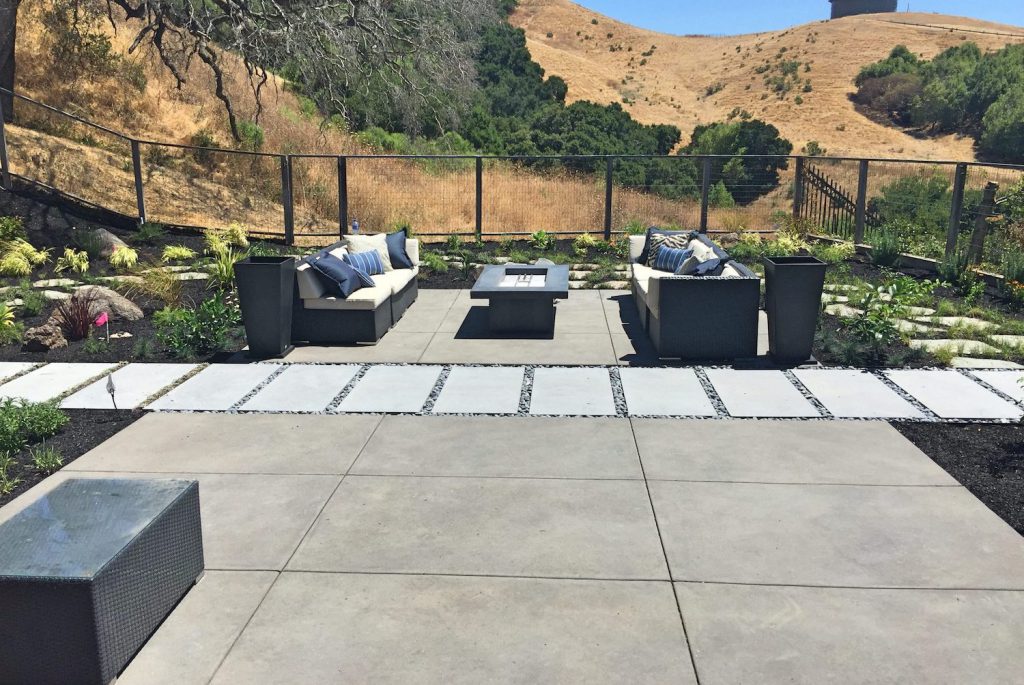
Frequently Asked Questions
1. What Is The Main Difference Between Landscape Construction And General Landscaping?
Landscape construction focuses on permanent changes to a property, such as grading, drainage systems, retaining walls, patios, walkways, and other hardscape features. General landscaping is primarily concerned with maintaining and improving living elements such as lawns, trees, shrubs, flowers, and garden beds. In simple terms, landscape construction changes the physical structure of the property, while general landscaping maintains and beautifies it.
2. What Types Of Projects Require A Landscape Construction Contractor?
Projects involving excavation, significant grading, drainage modifications, structural elements, or permanent hardscaping usually require landscape construction expertise. Examples can include retaining walls, paver patios, outdoor kitchens, major drainage systems, pool-area renovations, driveways, large walkways, and complete backyard transformations.
3. Do Landscape Construction Projects Require Permits?
Some landscape construction projects may require permits depending on the type of work and local regulations. Retaining walls, major grading, drainage changes, electrical work, plumbing, and certain structures may require approval from the local building or planning department. Homeowners should confirm permit requirements before construction begins.
4. Should Landscape Construction Be Completed Before Planting And Softscaping?
In most major projects, yes. Grading, drainage, utilities, retaining walls, patios, and other structural work are generally completed before permanent lawns, shrubs, trees, and garden beds are installed. This sequence helps prevent newly installed landscaping from being damaged or removed during excavation and heavy construction.
5. Can A Regular Landscaping Company Build Retaining Walls And Patios?
It depends on the company’s capabilities. Some landscaping businesses provide both maintenance and construction services, while others specialize primarily in lawn care, planting, pruning, and seasonal maintenance. Before hiring a company for retaining walls, patios, drainage, or grading, ask specifically about its construction experience, equipment, past projects, and applicable qualifications.
6. How Do I Know Whether I Need A Landscaper Or A Landscape Contractor?
Consider whether your project primarily maintains the existing landscape or changes the physical layout of the property. Lawn care, planting, pruning, mulching, and routine garden maintenance generally fall under landscaping. Excavation, structural construction, grading, drainage modifications, and extensive hardscape work are more likely to require a landscape construction contractor.
7. What Should I Ask A Landscape Construction Company Before Hiring Them?
Ask whether the company handles both design and construction, what permits may be required, who is responsible for obtaining them, and how much experience the contractor has with projects similar to yours. You should also ask about grading and drainage expertise, references from previous construction projects, the expected timeline, and how weather or unexpected site conditions could affect the schedule.
Start Your Landscape Construction Project With A Proven Local Team
A successful landscape construction project starts with careful planning and skilled execution. Poor drainage, improper grading, disconnected hardscape elements, irrigation issues, and rushed construction can create costly problems later. Vince’s Landscaping takes a complete approach to landscape construction, coordinating every element so your outdoor space is functional, cohesive, and built to last.
Since 1982, our family-owned team has helped East Bay homeowners transform outdated and underused yards through professional landscape construction. From patios, walkways, retaining walls, and planting areas to irrigation, lighting, outdoor living spaces, and complete backyard transformations, our experienced crews manage each project from start to finish with careful planning and clear communication.
If you’re ready to invest in a professionally built landscape that improves how you use and enjoy your property, Vince’s Landscaping can help. Schedule a consultation and discover what experienced landscape construction can do for your home.
Disclaimer
The materials available on this website are provided for general informational and educational purposes only. They are not intended to serve as professional design, construction, engineering, architectural, legal, or other specialized advice for any specific property or project.
Every landscape project is different, and conditions such as grading, drainage, soil, irrigation, existing structures, local codes, permitting requirements, and site access can affect the appropriate design and construction approach. You should consult with a qualified landscape professional, contractor, landscape architect, engineer, or other appropriate professional before making decisions based on information provided on this website.
Do not act or refrain from acting solely based on the content of this site. Information may change over time and may not reflect current building codes, regulations, industry standards, product specifications, or site-specific requirements. Vince’s Landscaping disclaims liability for actions taken or not taken based on the information contained on this website to the fullest extent permitted by law.
Recent Comments